The construction industry has undergone significant advances with the integration of gas-powered technologies, which enhance efficiency and precision. A pivotal player in these developments is the application of oxy acetylene welding. This process is critical for tasks requiring strong and reliable joints, especially in steel framework construction.
The Role of Gas in Construction
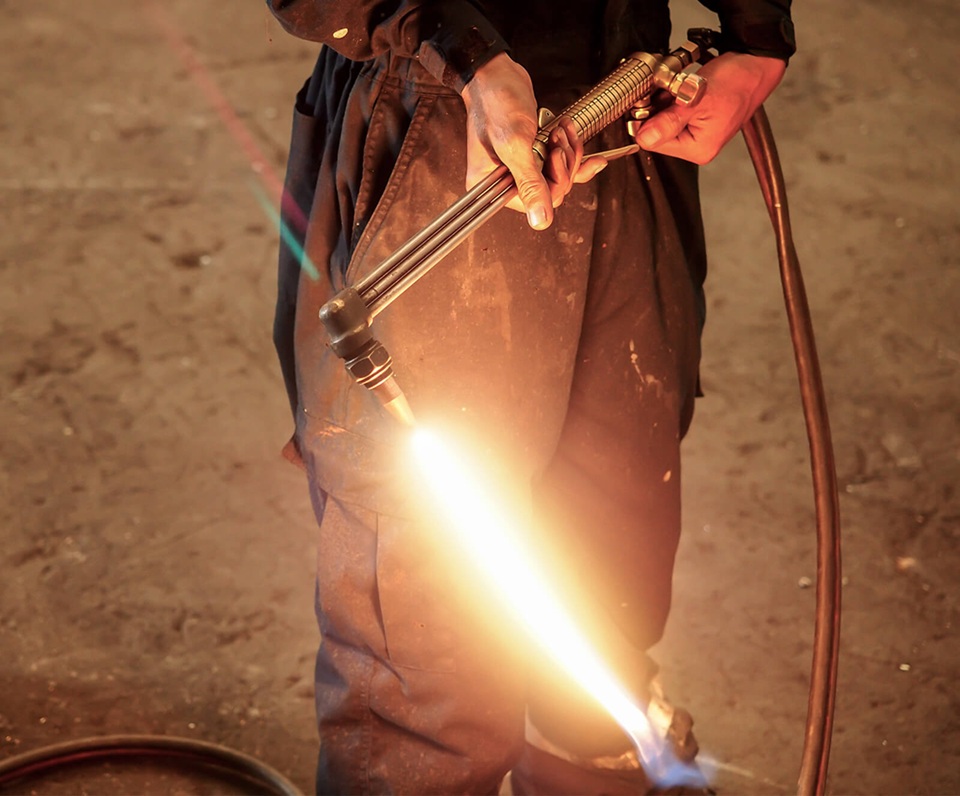
Gas has become a fundamental element in various construction processes due to its versatility and effectiveness. One of the primary uses of gases like acetylene is in welding operations. Acetylene, combined with oxygen, provides a high-temperature flame that is essential in welding and cutting metals.
Beyond welding, gases are vital in processes like heating, ventilation, and air conditioning (HVAC) systems where they facilitate temperature regulation. The use of gases such as refrigerants ensures that these systems function optimally, maintaining comfort in buildings and structures.
Welding and Cutting
Welding is a cornerstone of modern construction, and the implementation of gas-powered techniques has transformed this field. The Coregas welding products offer solutions that meet diverse construction needs, providing equipment that supports various welding methods, including MIG and TIG welding. These tools are indispensable for constructing robust and enduring infrastructures.
Gas-powered cutting tools further enhance efficiency by enabling precise and clean cuts in metal materials, reducing waste and improving safety. This ensures that materials are utilized effectively, adhering to project specifications and timelines.
Innovations in Gas Technology
As the demand for more sustainable and efficient construction processes grows, innovations in gas technology have become increasingly important. Gases like hydrogen are being explored as potential alternatives to fossil fuels, offering a clean energy source for construction applications.
Similarly, the use of helium as an inert gas in different applications has been expanding. Helium‘s properties make it ideal for use in leak detection and as a protective atmosphere in various manufacturing processes, which are integral to the construction industry.
Safety Considerations in Gas Usage
The utilisation of gases in construction also brings with it important safety considerations. Ensuring that workers are trained in handling gas cylinders, recognizing leaks, and responding to emergencies is crucial to maintaining safety on site.
Additionally, the storage and transportation of gas require adherence to strict regulations. Proper labelling, securing of cylinders, and routine checks must be implemented to prevent accidents.
Environmental Impact
While gas-powered technologies offer numerous benefits, the construction industry must also address their environmental impacts. Efforts to mitigate these impacts include improving efficiency in fuel use, exploring alternative gases with lower environmental footprints, and incorporating recovery and recycling processes.
Incorporating these practices can help reduce emissions and contribute to more sustainable construction methodologies.
Economic Benefits
The adoption of gas-powered processes has not only improved construction efficiency but also delivered significant economic benefits. Enhanced productivity, reduced material waste, and shorter project timelines contribute to cost savings for construction firms.
Moreover, innovations in gas technology continue to present new opportunities for economic growth within the sector, driving competition and fostering advancements that benefit both the industry and end-users.
Future Prospects
The future of gas-powered processes in construction looks promising, with ongoing research and development focused on furthering the capabilities of these technologies. As new gases are identified and existing ones optimised, the construction industry is set to benefit from increased efficiency and sustainability.
These advancements will likely include improved storage solutions, more efficient delivery systems, and safer usage practices, all contributing to the evolution of construction processes.
Conclusion
Gas-powered processes undeniably play a vital role in modern construction, offering unparalleled advantages in efficiency, safety, and sustainability. As technologies continue to evolve, companies like Coregas Pty Ltd are at the forefront, providing the tools and expertise necessary for the industry to thrive. Through continued innovation and responsible practices, gas will remain an integral component of the construction industry’s advancement.