
Construction companies produce far more visual content than project renders. Technical guides, case studies, ebooks, training material, product brochures, social posts, and reports all need to look credible before anyone reads the first paragraph.
The problem is often packaging. Engineers, consultants, suppliers, and contractors may have strong material, yet a detailed guide on waterproofing systems or facade maintenance can still feel unfinished if the cover and supporting visuals look generic.
AI image tools are becoming useful at this part of the publishing process, especially for exploring ideas quickly without confusing promotional imagery with technical or architectural documentation.
Start with the material you already have
Many construction marketing teams already have site photographs, product shots, employee portraits, diagrams, or earlier campaign artwork.
Pixlio AI image editor lets users begin with an existing image, describe the change they want, and refine the result. That can help with ordinary production tasks such as changing the visual mood of a promotional photo, cleaning up the setting around a product image, or adapting an existing visual for another piece of content.
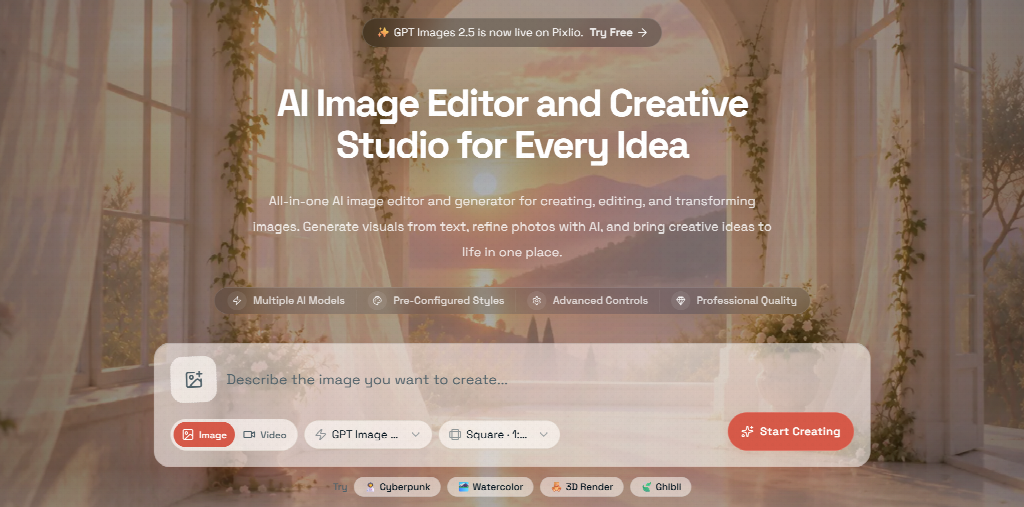
Once an image is generated, it can be edited again or passed into more focused tools. Pixlio also includes AI outpainting for extending an image into a different frame, a background remover for isolating products or people, and a professional headshot tool for creating more consistent business portraits.
This makes Pixlio closer to a small AI creative studio than a single generator. A content team can move between related tasks without treating every image as a completely separate project.
Covers deserve more attention
Ebooks and downloadable guides are common in B2B marketing because they let a company explain a subject in more depth than a short post or advertisement. In construction, that might mean a guide to concrete repair, a report on drainage systems, a specification handbook, or a collection of completed projects.
The cover has a straightforward job: attract the right reader and set an expectation for the material inside.
A purpose-built book cover generator can be more useful than sending a broad prompt such as “make a professional ebook cover” to a general image model. Pixlio starts with details such as the subject, genre or custom category, synopsis, mood, and visual direction. Users can explore different concept approaches, including minimal, cinematic, editorial, and subject-focused compositions.
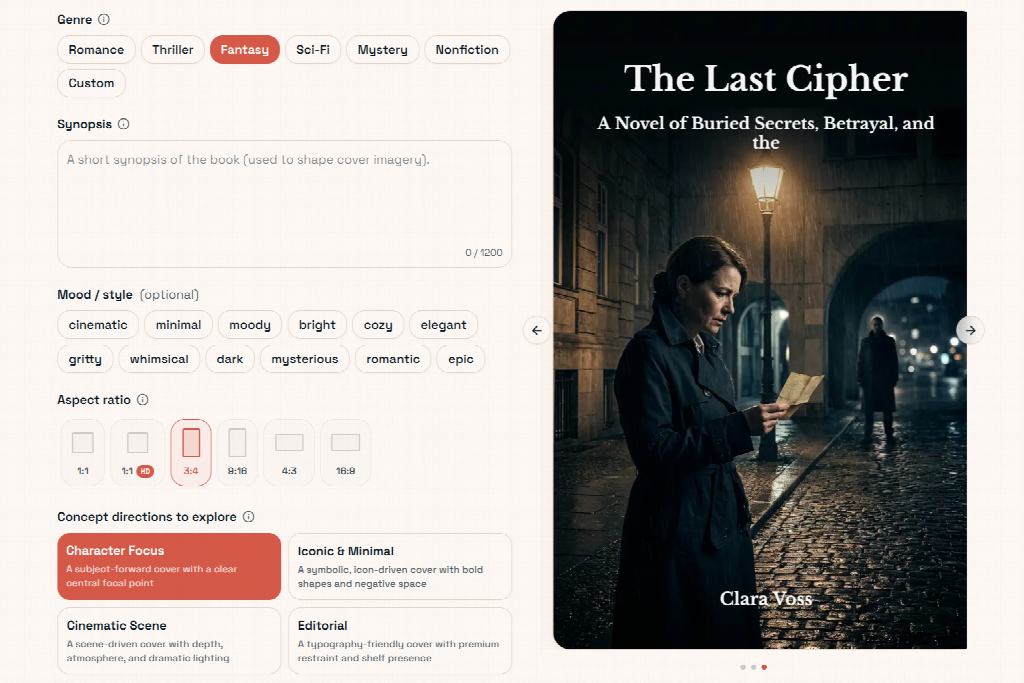
For technical material, a restrained editorial or minimal direction will often make more sense than something dramatic. A guide about bridge maintenance, for example, may work better with a strong structural image and enough clear space for readable text.
Pixlio also shows concepts at thumbnail size. That matters because covers are frequently seen as small cards on websites, email campaigns, document libraries, and social feeds. A layout that works at full size can lose its impact or readability when reduced.
Another practical choice is separating the generated artwork from the final title and author text. Users add the title, subtitle, and author information afterward, with font and color controls. This avoids relying on the image model to render important text correctly inside the artwork.
Keep concept imagery separate from technical evidence
Construction publishing has a constraint that many lifestyle subjects do not: some visuals may be interpreted as factual information.
An AI-created facade, material detail, or project scene should not be presented as an approved design, completed installation, or technically accurate drawing unless it genuinely represents one. The same applies to materially edited site photography. If an image has been changed for illustration or marketing, the context should make that clear.
AI tools fit best when the visual supports communication rather than proving a technical fact. Cover artwork, section openers, conceptual scenes, social graphics, and presentation backgrounds are good examples. Drawings, BIM output, inspection records, specifications, and evidence of completed work should continue to rely on verified project material.
A useful addition to the publishing toolkit
AI image tools are unlikely to replace designers, photographers, or visualization specialists in construction. They can still remove smaller creative bottlenecks around content production.
A marketing team can test cover directions before commissioning final artwork, adapt existing photography to new formats, prepare cleaner presentation assets, and move visual ideas forward while technical staff focus on the information itself.
Used with that boundary in mind, AI becomes a practical way to make useful industry knowledge easier to package, present, and publish.






