
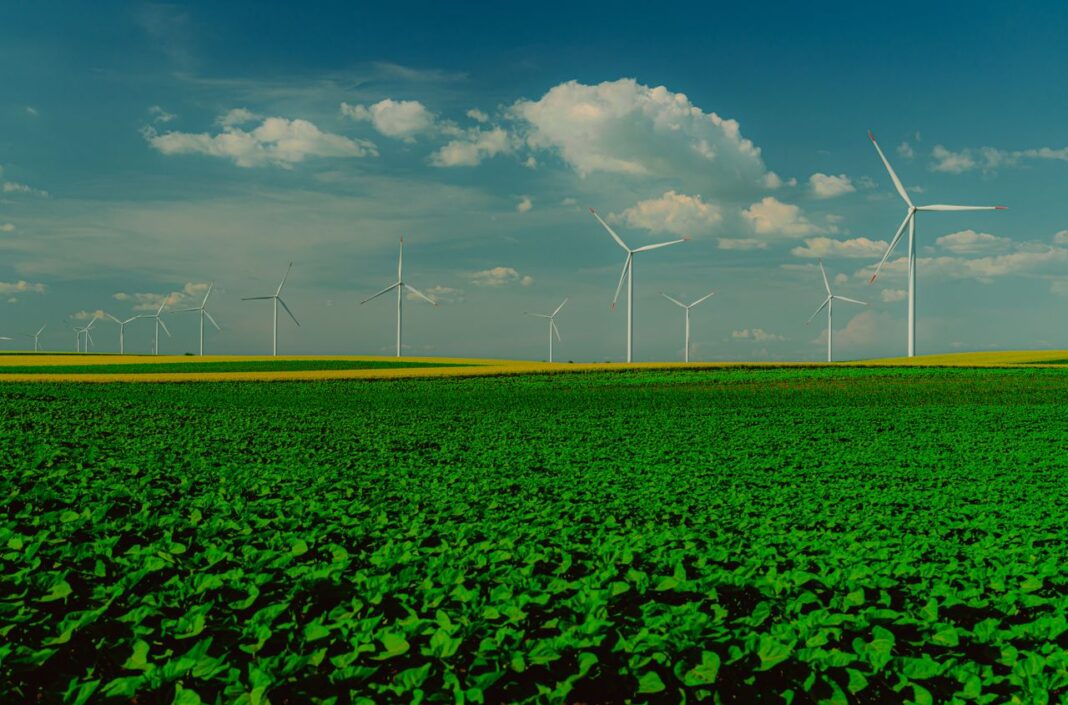
The Union Cabinet has approved the Green Energy Corridor Phase-III (GEC-III), a Rs 1.86 lakh crore programme aimed at strengthening intra-state transmission networks and improving the integration of renewable energy into India’s power grid.
The scheme will be implemented during the financial years 2027 to 2033 and is designed to facilitate the evacuation of around 135 GW of renewable energy from resource-rich states to demand centres.
A key component of GEC-III is the deployment of 50 GWh of Battery Energy Storage Systems (BESS). The storage systems will be installed at renewable energy developer or generator locations and other locations considered important for grid flexibility.
Rs 1.86 Lakh Crore Project Outlay
The total project outlay for GEC-III is Rs 1,86,405 crore. Of this, Rs 1,36,378 crore has been allocated for developing Intra-State Transmission Systems (InSTS), while Rs 50,000 crore has been earmarked for 50 GWh of BESS.
The scheme includes Central Financial Support of Rs 54,082 crore. According to the government, this support will help offset intra-state transmission charges and keep electricity costs lower.
The transmission component will include both greenfield development and strengthening of existing networks. Greenfield InSTS projects will be implemented through Tariff Based Competitive Bidding (TBCB), while brownfield upgrades and network strengthening works will follow the Cost Plus Basis (CPB).
State transmission utilities will serve as the overall implementing agencies. Transmission Service Providers will participate in projects under the TBCB model through a Build-Own-Operate-Maintain (BOOM) structure.
Battery Storage To Support Grid Flexibility
The 50 GWh BESS component is intended to address several challenges associated with increasing renewable power generation.
Battery storage can help manage intermittency from solar and wind generation, reduce congestion and limit curtailment during peak renewable generation periods. It can also support electricity demand during non-solar hours.
The integration of storage with transmission infrastructure is therefore a major component of the third phase of the Green Energy Corridor programme.
Strengthening Renewable Power Evacuation
The government has identified transmission capacity as an important requirement for integrating additional renewable generation into the national power system. Renewable energy projects are often located in resource-rich regions, while major demand centres may be located elsewhere.
GEC-III will focus on strengthening intra-state networks to enable electricity generated from renewable projects to be transmitted within states and subsequently integrated with the wider power system.
The scheme is also intended to support India’s target of achieving 900 GW of installed non-fossil fuel-based electricity capacity by 2035.
Employment and Manufacturing Impact
The programme is expected to create direct and indirect employment across the power, manufacturing and construction sectors. The deployment of BESS is also expected to support activity in India’s domestic energy storage industry.
Additional skilled employment is expected in areas including operation and maintenance, transmission network management and grid management across participating states.
The government has also linked the programme with long-term energy security and lower carbon emissions through greater integration of renewable power.
With renewable generation capacity expanding, GEC-III will add transmission infrastructure and battery storage capacity intended to improve the grid’s ability to absorb and distribute renewable electricity.






