
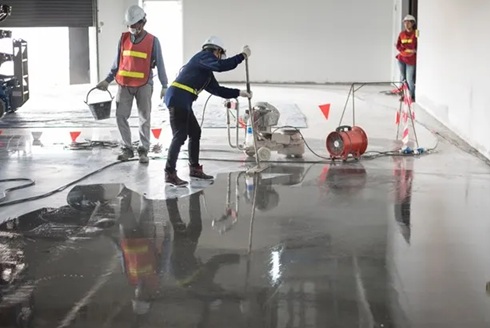
Construction cleaning is the final step before a building is ready for occupancy. It removes dust, debris, and leftover materials while helping create a safer environment for workers, inspectors, and future occupants.
The process involves more than appearance. Following recognized safety standards reduces risks, protects workers, and helps projects meet inspection requirements. Understanding these standards makes every stage of cleaning more effective.
Understanding Safety Standards in Construction Cleaning
Construction sites contain hazards that remain even after major building work is complete. Understanding the cost of construction cleaning helps property owners and contractors plan for the debris removal, dust control, and final cleaning required before a project is ready for handover.
These standards protect workers, reduce accidents, and help ensure the finished property is clean, healthy, and ready for occupancy without creating unnecessary risks.
- Identify and remove construction debris before detailed cleaning begins.
- Wear appropriate personal protective equipment for each task.
- Control airborne dust during sweeping and vacuuming.
- Store and dispose of waste according to local regulations.
- Inspect work areas before and after cleaning activities.
- Use equipment designed for construction environments.
- Keep walkways, exits, and emergency access points clear.
- Label hazardous materials and dispose of them correctly.
- Follow manufacturer instructions for cleaning products.
- Report safety concerns before continuing work.
Key Safety Standards Every Construction Cleaning Team Should Follow
Every construction site presents different risks. Even so, several safety standards apply across nearly every project and help reduce injuries while improving the quality of the finished space.
OSHA Requirements for Worker Protection
The Occupational Safety and Health Administration establishes safety requirements that protect employees from common construction hazards. These include exposure to dust, falls, electrical risks, and unsafe work practices.
Following OSHA regulations means wearing suitable protective equipment, receiving proper training, and maintaining safe procedures throughout the cleaning process rather than treating safety as an afterthought.
Proper Personal Protective Equipment
Protective equipment should match the work being performed. Gloves suitable for handling debris may differ from those needed when working with cleaning chemicals or broken glass.
Eye protection, respirators, hard hats, and high visibility clothing become essential whenever site hazards cannot be fully eliminated through engineering controls or work planning.
Dust Control and Air Quality Management
Fine construction dust can remain suspended long after visible debris has been removed. Materials such as silica dust require careful handling because prolonged exposure may affect respiratory health.
Using HEPA filtered vacuums, controlled cleaning methods, and professional post construction cleaning practices helps reduce airborne particles before they spread throughout the completed building. Proper containment also protects finished surfaces during the final cleaning stages.
Safe Handling of Construction Waste
Construction waste often includes sharp materials, nails, broken glass, packaging, drywall scraps, and leftover building products. Each category requires appropriate collection and disposal procedures.
Workers should separate recyclable materials where possible while ensuring hazardous waste is handled according to local environmental regulations and project specifications.
Chemical Safety and Product Handling
Many cleaning products contain ingredients that require careful storage and use. Mixing incompatible chemicals or using products incorrectly can create unnecessary health and safety risks.
Safety Data Sheets help workers understand proper handling procedures, first aid measures, and storage requirements. Following manufacturer instructions also reduces the chance of damage to finished floors, glass, fixtures, and painted surfaces.
Preventing Slips, Trips, and Falls
Freshly cleaned floors, loose extension cords, scattered debris, and misplaced equipment can quickly become hazards. These risks often increase during the final stages of construction when multiple trades continue working in the same area.
Temporary warning signs, organized work zones, and regular housekeeping support accident prevention throughout the cleaning process. Simple measures often prevent injuries that delay project completion.
Communication and Site Coordination
Construction cleaning rarely happens in isolation. Electricians, painters, inspectors, flooring installers, and project managers may still be working in different parts of the building.
Clear communication keeps everyone informed about restricted areas, scheduled cleaning, and potential hazards. Coordinated planning creates safer workflows while reducing conflicts between different contractors.
Additional Safety Practices That Improve Cleaning Quality
Meeting regulatory requirements is only part of the job. Strong cleaning teams also adopt practical habits that improve safety, efficiency, and the overall quality of the finished project.
Conduct Daily Hazard Assessments
Conditions on construction sites change every day. A safe area in the morning may contain new equipment, exposed wiring, or fresh materials by the afternoon.
A brief inspection before work begins helps identify new hazards early. Correcting small problems immediately often prevents larger incidents later in the day.
Use the Right Equipment for Every Surface
Different building materials require different cleaning methods. Using the wrong equipment may damage finished surfaces or create unnecessary safety risks.
Microfiber systems, HEPA vacuums, floor scrubbers, and extension tools each serve a specific purpose. Selecting the correct equipment improves results while reducing worker fatigue.
Separate Hazardous and General Waste
Not every item left behind after construction belongs in the same disposal container. Paint products, adhesives, solvents, batteries, and certain building materials may require specialized handling.
Proper waste separation supports environmental compliance while making recycling programs more effective and reducing contamination during disposal.
Train Workers on Emergency Procedures
Even well managed projects can experience unexpected situations. Workers should know how to respond to injuries, chemical exposure, electrical hazards, or fire emergencies.
Regular safety meetings reinforce emergency preparedness and help every team member understand reporting procedures, evacuation routes, and first response actions.
Follow Indoor Air Quality Recommendations
The United States Environmental Protection Agency emphasizes the importance of controlling dust and airborne contaminants during renovation and construction activities. Poor indoor air quality can affect both workers and future occupants.
Maintaining ventilation, using dust barriers, and completing detailed cleaning before occupancy supports healthier indoor environments and reduces lingering airborne particles.
Perform Final Quality and Safety Inspections
Cleaning is not complete when the visible dirt disappears. Every area should be inspected to confirm that hazards have been removed and the space is ready for handover.
Many professional teams rely on a detailed construction cleaning process that includes structured inspection checklists before project completion. This approach helps verify that cleaning meets safety expectations while ensuring the property is ready for its intended use.
Best Practices for Maintaining a Safe Construction Cleaning Process
Safety should remain a priority from the first cleanup through the final inspection. Consistent procedures reduce workplace risks while helping projects stay on schedule and meet quality expectations.
| Safety Practice | Why It Matters | Practical Example |
| Conduct site inspections | Identifies hazards before work begins | Walk the site before every shift |
| Wear proper PPE | Protects workers from injuries and exposure | Use gloves, respirators, eye protection, and hard hats as required |
| Control construction dust | Improves air quality and visibility | Use HEPA vacuums instead of dry sweeping |
| Store chemicals correctly | Prevents spills and dangerous reactions | Keep products in labeled containers |
| Manage waste properly | Reduces trip hazards and supports compliance | Separate recyclable and hazardous materials |
| Communicate with other trades | Prevents conflicts and accidents | Coordinate cleaning schedules with contractors |
| Inspect completed work | Confirms safety and cleanliness | Perform a final walkthrough using a checklist |
Following these practices helps create a safer workplace throughout every stage of construction cleaning.
- Inspect before cleaning: Walk through the site to identify new hazards, unfinished work, and restricted areas.
- Wear appropriate PPE: Match protective equipment to the specific cleaning task and work environment.
- Control dust effectively: Use HEPA filtered equipment and damp cleaning methods whenever possible.
- Keep work areas organized: Remove debris regularly to reduce trip hazards and improve movement.
- Follow chemical safety procedures: Read Safety Data Sheets and store products according to manufacturer guidance.
- Protect finished surfaces: Cover flooring, fixtures, and glass where additional work is still taking place.
- Dispose of waste responsibly: Separate recyclable, general, and hazardous materials before disposal.
- Maintain clear communication: Keep contractors, supervisors, and cleaning crews informed about changing site conditions.
- Verify emergency access: Ensure exits, fire equipment, and walkways remain unobstructed throughout the project.
- Complete a final inspection: Confirm the building is clean, safe, and ready for occupancy before handover.
Conclusion
Construction cleaning is more than the final step of a project. Following recognized safety standards helps protect workers, reduce risks, and prepare buildings for safe occupancy. A consistent focus on workplace safety ensures cleaner results, smoother inspections, and a successful project handover.






