Retail environments have changed dramatically over the past decade. Consumer expectations continue to evolve, product ranges expand more rapidly, and retailers increasingly need to adapt their store layouts to support changing buying behaviours. Whether operating a supermarket, convenience store, service station, pharmacy, or specialty retail outlet, flexibility has become a major competitive advantage.
Traditional fixed shelving systems often limit a retailer’s ability to respond to seasonal promotions, new product categories, changing inventory requirements, and customer traffic patterns. As a result, many modern retailers are investing in modular retail fixtures that can adapt alongside their businesses.
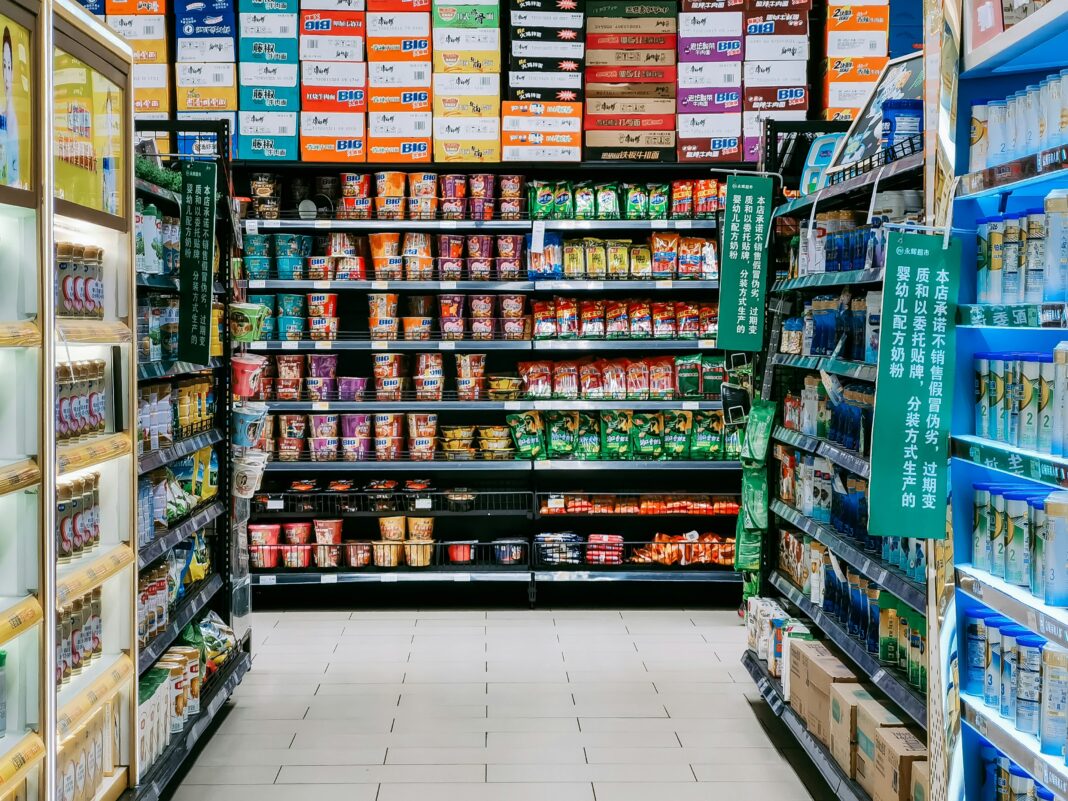
One of the most effective solutions available today is a flexible gondola shelf system, which allows retailers to optimise merchandising, improve operational efficiency, and future-proof their store layouts.
Retail Is No Longer Static
Modern retail businesses rarely operate with the same product mix year after year. Seasonal promotions, supplier changes, consumer trends, and inventory fluctuations all require stores to adapt quickly.
A convenience store may introduce additional beverage ranges during summer. A supermarket may expand health food categories due to changing consumer preferences. A service station may allocate more floor space to convenience products and less to traditional automotive accessories.
Retailers using fixed display systems often face expensive renovations whenever these changes occur. Flexible shelving systems, on the other hand, provide the ability to modify layouts, adjust shelf heights, and expand display areas without requiring major fit-outs.
This adaptability allows businesses to remain responsive while controlling operational costs.
Flexible Shelving Maximises Product Visibility
Product visibility remains one of the most important factors influencing retail sales performance. Customers are more likely to purchase products that are easy to locate, well presented, and logically organised.
Flexible gondola shelving systems allow retailers to:
- Adjust shelf heights based on product dimensions
- Create effective product adjacencies
- Improve eye-level merchandising opportunities
- Introduce promotional displays quickly
- Reconfigure aisles to improve customer flow
- Adapt layouts for seasonal campaigns
Because gondola shelving is modular, retailers can continually optimise product presentation without replacing their entire shelving infrastructure.
This level of flexibility becomes particularly valuable for businesses operating in highly competitive retail sectors where customer experience directly impacts revenue.
Supporting Long-Term Business Growth
One of the greatest advantages of flexible gondola shelving systems is their ability to support long-term business growth.
Many retailers initially purchase shelving based on their current store size, only to discover that future expansion requires costly replacements or extensive modifications. Modular shelving systems eliminate much of this risk by allowing stores to add bays, accessories, end displays, and shelving components as their requirements evolve.
This creates several long-term advantages:
- Lower future fit-out costs
- Reduced business disruption
- Greater operational flexibility
- Improved inventory management
- More efficient use of retail floor space
Retailers can adapt their stores gradually rather than undertaking complete refurbishments every few years.
The Operational Benefits Extend Beyond Merchandising
Flexible shelving systems do more than improve product displays. They also contribute to everyday operational efficiency.
Store teams can restock products more effectively when shelving layouts are logical and accessible. Inventory rotation becomes easier. Product category changes can be implemented faster. Maintenance costs often decrease because individual components can be replaced without replacing entire shelving systems.
Based on experience working with Australian retailers across supermarkets, convenience stores, service stations, liquor stores, and specialty retail environments, adaptable shelving systems consistently provide greater long-term operational value than fixed retail fixtures.
As labour costs continue to rise, these operational efficiencies become increasingly important.
Why Australian Retailers Continue to Invest in Flexible Shelving
Retail businesses increasingly recognise that shelving should be viewed as a long-term operational asset rather than simply a store fixture.
Mills Shelving has worked with retailers throughout Australia to develop shelving solutions that support both immediate merchandising requirements and future business growth. The ability to modify layouts, expand displays, and adapt to changing retail conditions has become a major consideration during store planning and refurbishment projects.
For many retailers, investing in flexible shelving systems reduces risk while improving their ability to respond to changing market conditions.
Expert Insight: Flexibility Has Become Essential
According to Neil Webster, CEO of Mills Shelving, modern retailers can no longer afford to view store layouts as permanent structures. “Consumer purchasing behaviour, supplier relationships, and product categories continue to evolve at a rapid pace. Retailers who invest in flexible shelving systems gain the ability to adapt their stores without undertaking costly full refits. We’ve seen businesses significantly improve operational efficiency and merchandising performance simply by implementing shelving systems designed to evolve alongside their business requirements.”
This flexibility provides retailers with greater control over both customer experience and long-term operating costs.
Industry Trends Continue to Support Flexible Retail Design
The broader retail industry continues to emphasise store adaptability, operational efficiency, and customer experience optimisation. Industry organisations such as the Australian Retailers Association and the National Retail Association have consistently highlighted the importance of creating retail environments capable of responding to changing consumer expectations and market conditions.
As retailers increasingly adopt omnichannel strategies, optimise floor space utilisation, and seek operational efficiencies, flexible shelving infrastructure will continue to play an important role in successful store operations.
Conclusion
Modern retail environments require flexibility, adaptability, and operational efficiency. Fixed store layouts and rigid shelving systems often struggle to meet the demands of today’s rapidly changing retail landscape.
Flexible gondola shelving systems provide retailers with the ability to optimise product visibility, improve customer experience, reduce future fit-out costs, and support long-term business growth. For retailers looking to future-proof their stores, investing in adaptable shelving infrastructure has become a practical business decision rather than simply a design preference.
As retail continues to evolve, flexibility may prove to be one of the most valuable assets a store can have.