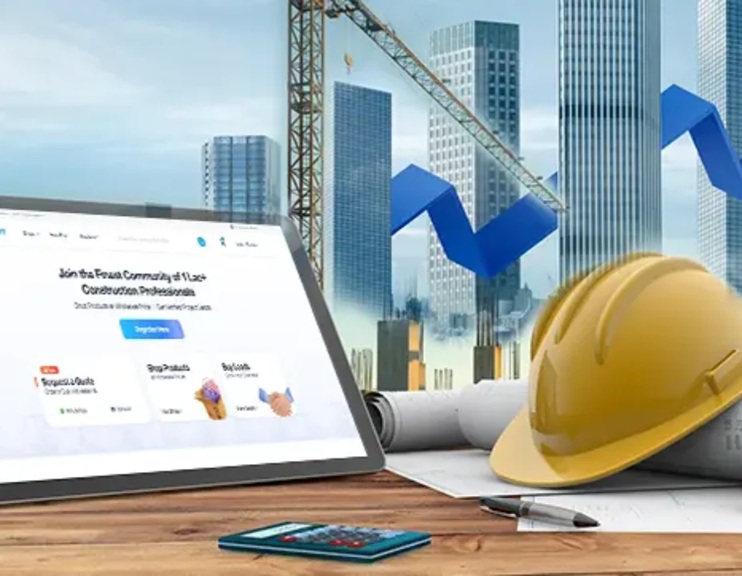
The construction and civil engineering industries used to trust word-of-mouth, handshakes, and past project files to get new work. But now, the way the business world works has changed a lot. At this time, people who run projects, business clients, and property investors mostly use the internet before they agree to a deal. The web has become a big source of information for those in the building field. This shows the need for good digital tools, up-to-date ways of running projects, and strong links in the industry. For new building companies, being seen and trusted online is not a choice anymore. It is now the base for any company that wants to grow its business.
Constructing a Blueprint for Online Visibility
In the heavy industry sector, many companies think that having a website that rarely changes means they have a full digital plan. This is not true. A good online plan needs you to keep your website fresh and always show active jobsites, safety wins, and your engineering skills. To connect old field work with modern web buying, these companies need to think of public online communication as an important step.
Getting around in this busy online world needs special know-how. This is why so many civil engineering and construction companies now choose a Social Media Marketing Agency. A team like this knows B2B marketing is not about going after quick and empty trends. It is about building real trust in the business world. A focused agency can change hard-to-understand project facts, building plans, and green ideas into easy-to-see stories that help others understand. This lets the work and skill of a company stand out to the people who need to see it. With smart LinkedIn ads, sharp video tours of real projects, and strong industry connections, they help turn a quiet company page into a great tool that gets new customers.
The Structural Pillars of B2B Industrial Marketing
If a construction company wants to get ahead and do well online, it needs a digital plan that is as strong as the work it does on site. A good plan uses several steps and is made up of these main areas:
- High-Impact Visual Progress Documentation: Use time-lapse photos, drone shots of active builds, and inside looks from the engineering team to show what the company can do.
- Targeted B2B Professional Networking: Put a strong focus on LinkedIn to connect with project developers, architects, government procurement people, and main contractors.
- Thought Leadership and Case Studies: Share clear stories about finished projects. Show how the team solved building problems, kept budgets, and stayed safe.
- Proactive Reputation and Safety Management: Show company social responsibility efforts, strong commitment to environmental rules, and celebrate workplace safety awards. This helps to build trust.
- Optimized Technical Funnels: Use tools to make sure the corporate website comes up fast and helps bring in good leads.
Bridging Industrial Expertise with Digital Platforms
Sharing information, new ideas, and news about building methods helps the future of how we make buildings. When construction companies join these online talks, they show that they are leading the way and thinking ahead.
To make the most of this visibility in the industry, firms need to make sure their own websites and online channels work well for high-value, business-related questions. When companies work with top web design and digital growth experts, they can build simple and smooth online systems. If someone reads news about the industry or looks at a project on a blog, their next steps to the firm’s website or social media should be easy. A well-set-up online space helps show big skills like building real estate or large civil works with clear messages, safety, and a strong, professional feel.
Maximizing ROI Through Specialized Digital Asset Management
Every big machine that a company owns is seen as something important that needs to make money. In the same way, things like a company’s social media pages, lists of projects, and getting written about in industry blogs should be seen as things that are valuable in the company’s eyes. To make sure these digital things keep helping all the time, companies need to use a system to keep track of and take care of them:
- Lead Attribution Tracking: Use advanced analytics to find out which online platforms, posts, or social links bring in high-value B2B questions.
- Subcontractor and Partner Highlighting: Show reliable supply chain partners and engineering teams online. This helps build good relationships in the industry and gets others to share your business online, too.
- Talent Acquisition Pipelines: Use social channels to share your company’s work, your culture at work, and show off new equipment and tough jobs. This can bring in the best project managers and cost planners.
- Consistent Content Cadence: Keep a regular publishing plan. This lets possible clients know you are active and doing well, instead of seeing a forgotten online page.
Conclusion
The construction sector is going through big digital changes now. This is true both at the work site and in the boardroom. Industry publications still help a lot with sharing good education and making new connections. Yet, each firm must also shape its own story in the digital world. To keep getting high-value commercial work, firms need strong building skills and a top-level Social Media Marketing Agency. When construction leaders work with digital growth experts, they can be sure their online systems are as strong and well-built as the real buildings they work on each day.