New flooring can make a Vancouver condo, townhouse, or detached home feel newer, cleaner, and more cohesive without a full remodel. It can also support resale appeal when the material fits the home, the building rules, and the local climate. Most flooring projects in Metro Vancouver are priced by the square foot. The final cost depends on material, labour, old floor removal, subfloor preparation, underlayment, baseboards, strata rules, and moisture conditions.
Flooring Material Costs per Square Foot
Flooring materials in Vancouver are usually priced in Canadian dollars per square foot. These ranges reflect common residential products, not the cheapest or most expensive options on the market.
Homeowners comparing materials should think beyond colour and plank style. Local conditions, strata requirements, room use, and installation method can all change what makes sense. For help narrowing the right option, experienced flooring experts in Vancouver can compare materials, installation needs, and building requirements before the project starts.
| Flooring material | Typical material cost in Vancouver | Common use |
| Luxury Vinyl Plank (LVP) | $3–$8 per sq. ft. | Condos, rentals, kitchens, basements, family homes |
| Laminate flooring | $2.50–$6 per sq. ft. | Bedrooms, living areas, budget-conscious updates |
| Engineered hardwood flooring | $5–$12 per sq. ft. | Main floors, townhomes, condos, resale-focused renovations |
| Solid hardwood flooring | $7–$16+ per sq. ft. | Detached homes, long-term ownership, classic interiors |
Luxury Vinyl Plank remains popular across British Columbia because it handles daily wear well and offers strong water resistance. Many homeowners choose waterproof vinyl for entryways, kitchens, rental suites, and homes with pets or children.
Laminate can still offer good value, especially in bedrooms and living rooms. However, quality varies. Better laminate usually has a stronger wear layer, improved water resistance, and a more realistic surface texture.
Engineered hardwood flooring is often the preferred wood option in Vancouver. It gives homeowners the look of real wood while offering better dimensional stability than solid hardwood. That matters in a coastal climate where relative humidity can shift through the year.
Solid hardwood remains a strong option for some detached homes. It can be refinished many times and has long-term appeal. Still, it needs careful acclimation, moisture control, and proper installation.
Labour and Installation Costs in Metro Vancouver
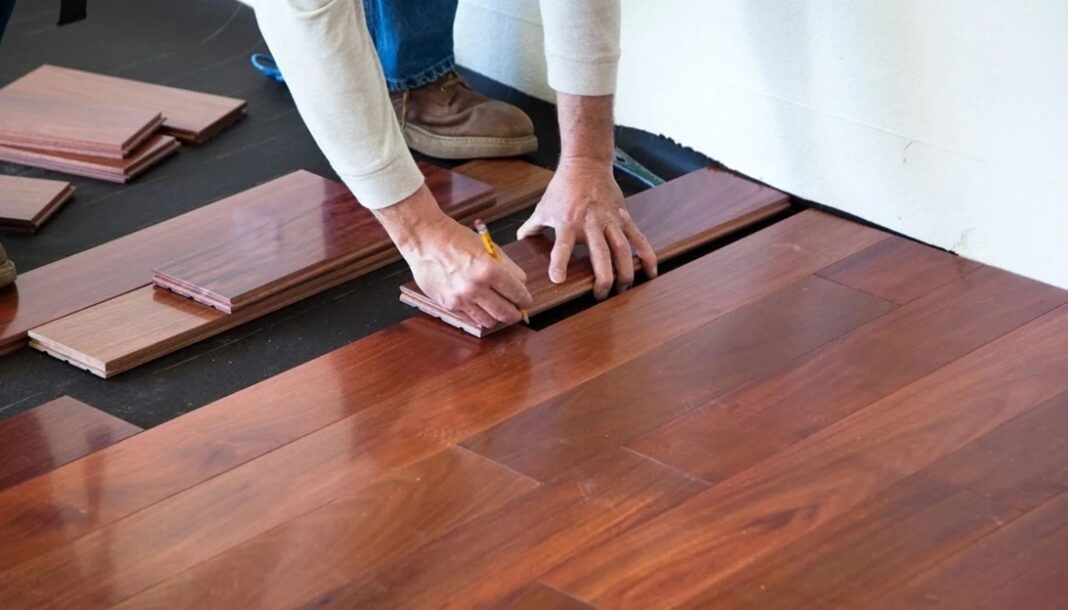
Labour is often the part of the quote that homeowners underestimate. A simple floating floor may be fairly straightforward, while glue-down engineered hardwood, stairs, pattern work, or uneven subfloors can raise the price quickly.
Typical flooring installation labour in Metro Vancouver may fall into these general ranges:
| Installation type | Typical labour cost |
| Floating laminate or vinyl plank | $2.50–$5 per sq. ft. |
| Glue-down vinyl or engineered hardwood | $4–$8 per sq. ft. |
| Nail-down hardwood | $5–$9 per sq. ft. |
| Stairs, borders, herringbone, or custom layouts | Custom pricing |
A lower labour quote may look attractive at first, but flooring installation depends on preparation. A contractor needs to check the subfloor, door clearances, expansion gaps, transitions, moisture conditions, and manufacturer instructions. If those steps are skipped, the floor can develop gaps, squeaks, lifting, failed adhesive, or warranty issues.
Homeowners should also ask what the quote includes. Old floor removal can add about $1–$4 per sq. ft., depending on whether the existing material is carpet, laminate, glued vinyl, tile, or hardwood. Tile and glued-down flooring usually cost more to remove because they take more labour and disposal time.
Subfloor preparation can add another $2–$6+ per sq. ft. if the floor needs levelling, patching, or plywood underlayment. This step matters even more for vinyl plank, laminate, and engineered hardwood because many products require a flat surface within strict tolerances.
Baseboards, shoe moulding, T-moulding, reducers, stair nosing, acoustic underlayment, moisture barriers, delivery, and disposal can also affect the final number. A clear estimate should separate material, labour, prep work, accessories, and waste removal instead of giving one vague total.
Strata Rules and Soundproofing Requirements
For Vancouver condo owners, flooring is not only a design choice. It is often a strata approval issue.
Many strata buildings require written approval before a homeowner replaces carpet with hard surface flooring such as laminate, vinyl plank, engineered hardwood, or tile. This is common in the City of Vancouver, Burnaby, Richmond, Surrey, Coquitlam, and other dense housing markets across the Lower Mainland.
The main concern is sound transfer. Hard flooring can increase impact noise between units if the floor assembly is not built correctly. That is why strata councils often ask for acoustic documents before approving new flooring.
Two ratings appear often in flooring applications:
- IIC, or Impact Insulation Class, measures impact noise such as footsteps, dropped objects, and furniture movement.
- STC, or Sound Transmission Class, measures airborne sound such as voices, music, and television noise.
The important detail is that the full floor assembly matters. Flooring, underlayment, concrete slab or wood framing, ceiling system, and installation method all affect performance. A high IIC rating printed on an underlayment label does not always mean the assembly will satisfy a specific building’s bylaws.
Before buying flooring for a condo or townhouse, homeowners should review their strata bylaws and rules and request strata council approval. Some buildings may also ask for product specifications, underlayment data, insurance details, WorkSafeBC clearance where applicable, elevator bookings, and working-hour restrictions.
This step can feel slow, but it helps avoid fines, removal orders, neighbour complaints, and costly reinstallation.
How Vancouver’s Climate Affects Flooring Choices
Vancouver’s damp coastal climate affects flooring more than many homeowners expect. The Pacific Northwest has long rainy seasons, moderate temperatures, and seasonal changes in indoor relative humidity.
Solid hardwood reacts the most to moisture changes. It can expand when the air is damp and shrink when indoor heating dries the home. That movement can create cupping, crowning, gaps, or edge stress if the floor is not acclimated and installed properly.
Engineered hardwood handles those changes better because of its layered structure. It still needs acclimation and stable indoor conditions, but it usually performs better than solid hardwood in many Vancouver condos, townhomes, and single-family homes.
Luxury Vinyl Plank is often the most forgiving choice for moisture-prone areas. It can work well in basements, kitchens, entryways, and rental suites. However, waterproof vinyl does not eliminate the need for subfloor checks. Concrete moisture, uneven plywood, and poor levelling can still cause problems.
Laminate can perform well in dry areas, but lower-quality laminate may swell or fail if water reaches the core. For busy homes, better water-resistant laminate can be worth the extra cost.
The right product depends on where the floor will be installed, how the home is used, and how much maintenance the homeowner wants to handle.
Getting a Realistic Flooring Estimate
A Vancouver flooring project can range from a simple vinyl or laminate update to a higher-end engineered hardwood installation. Material price matters, but labour, removal, levelling, underlayment, trim, strata approval, and moisture conditions can all change the final budget.
Plan the full flooring system before ordering materials. Check the room conditions, subfloor, building rules, soundproofing needs, and long-term maintenance requirements first. Homeowners should avoid choosing flooring based only on the price per box. A good floor depends on the material, the preparation, and the installer. Look for an insured flooring company with clear estimates, product knowledge, warranty support, and experience with Metro Vancouver homes.