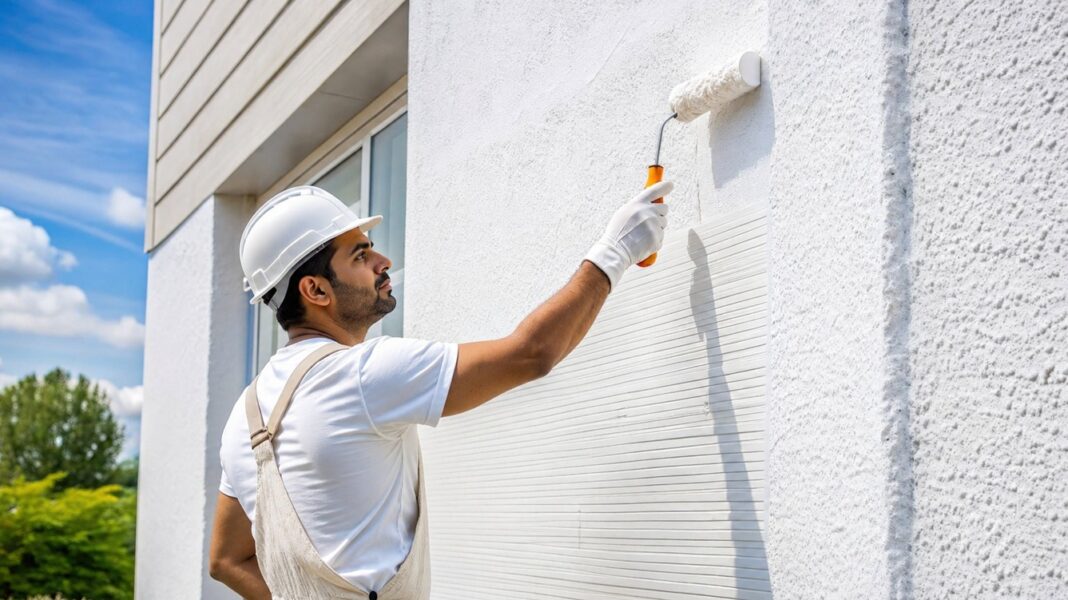
What Are Acrylic Exterior Paints?
Acrylic exterior paints are water-based coatings that use acrylic resins as the primary binder. The resin acts as a film-forming agent that holds pigment and additives together and allows the paint to adhere strongly to surfaces such as concrete, plaster, masonry, and cement boards. When applied, the water in the paint evaporates, and the acrylic polymer particles coalesce to form a continuous, flexible, and durable film. This film is what protects the building surface from external environmental stresses.
There are generally two main categories:
- Pure Acrylic Paints – high-performance coatings with excellent durability and flexibility
- Acrylic Emulsion Paints – commonly used variants that balance cost and performance
Key Properties of Acrylic Exterior Paints
1. Weather Resistance
Acrylic paints are designed to withstand harsh environmental conditions such as heavy rainfall, intense sunlight, humidity, and temperature fluctuations. Their polymer structure allows them to remain stable without significant degradation over time.
2. UV Stability
One of the biggest advantages of acrylic coatings is their resistance to ultraviolet (UV) radiation. Unlike lower-grade paints that fade quickly, acrylic systems retain color brightness and gloss for longer durations.
3. Flexibility
Buildings naturally expand and contract due to temperature changes. Acrylic paints are flexible enough to accommodate minor structural movements without cracking, making them suitable for exterior surfaces prone to thermal stress.
4. Breathability
Acrylic coatings allow moisture vapor from inside the building to escape while preventing liquid water from entering. This “breathable” nature reduces blistering and peeling caused by trapped moisture.

Advantages of Acrylic Exterior Paints
1. Long Service Life
Acrylic paints typically last longer than traditional cement paints or basic distemper coatings. High-quality systems can provide protection for 5–10 years or more, depending on exposure conditions.
2. Strong Adhesion
They bond effectively with common construction materials like concrete, plaster, and masonry surfaces. This reduces the chances of flaking and early failure.
3. Wide Range of Finishes and Colors
Acrylic paints are available in multiple finishes such as matte, satin, and semi-gloss. They also offer extensive color customization, making them suitable for architectural design requirements.
4. Resistance to Algae and Fungus
Many modern acrylic exterior paints include biocides that help resist algae, mildew, and fungal growth—especially important in humid or coastal regions.
5. Ease of Application
They are relatively easy to apply using brushes, rollers, or spray systems. Quick drying times also help speed up construction schedules.
6. Low Maintenance
Once applied, acrylic coatings require minimal maintenance compared to traditional exterior finishes. Occasional washing is often sufficient to maintain appearance.
Applications in Buildings and Structures
Acrylic exterior paints are used across a wide range of structures:
Residential Buildings
Apartments, villas, and housing complexes commonly use acrylic coatings due to their balance of aesthetics and protection.
Commercial Buildings
Office complexes and retail buildings benefit from their clean appearance and long-lasting finish, which reduces repainting cycles.
High-Rise Structures
Acrylic paints are widely used on facades of tall buildings because of their ability to withstand UV exposure, wind-driven rain, and pollution.
Institutional Buildings
Schools, hospitals, and government buildings prefer acrylic systems for their durability and low maintenance requirements.
Infrastructure Projects
Flyovers, bridges, and public structures increasingly use acrylic protective coatings for aesthetic and environmental protection.

Types of Acrylic Exterior Paint Systems
Standard Acrylic Emulsion Paint
Standard acrylic emulsion paint is a basic exterior coating system widely used in residential construction. It is a water-based paint that provides moderate protection against normal weather conditions such as light rain, sunlight, and dust. This type of paint is generally applied on cement plastered walls and masonry surfaces where extreme durability is not required. It offers a smooth and clean finish at an affordable cost, making it suitable for budget-conscious projects. However, its resistance to heavy rainfall, UV exposure, and pollution is limited compared to higher-grade systems, so it is best used in mild exposure conditions.
Premium Exterior Acrylic Paint
Premium exterior acrylic paint is an advanced version designed for better performance and longer life. It contains special additives that improve resistance to harsh weather conditions, including heavy rain, strong sunlight, and urban pollution. This type of paint offers better color retention, meaning the exterior surface remains vibrant for a longer period without fading. It also provides improved protection against fungal growth and dust accumulation, making building maintenance easier. Due to its enhanced durability and aesthetic finish, it is commonly used in apartments, villas, and commercial buildings.
Elastomeric Acrylic Coatings
Elastomeric acrylic coatings are high-performance exterior systems known for their flexibility and waterproofing ability. Unlike normal paints, these coatings can stretch and move with the building surface, allowing them to bridge hairline cracks effectively. This makes them ideal for structures that experience thermal movement or minor structural shifts. They form a thick, protective layer that prevents water penetration and reduces the risk of dampness in walls. Because of their superior durability and crack-bridging properties, elastomeric coatings are widely used in high-rise buildings, coastal areas, and structures exposed to heavy rainfall.
Textured Acrylic Coatings
Textured acrylic coatings are decorative exterior paint systems that combine protection with architectural design. These coatings create a patterned or rough surface finish that enhances the visual appearance of building facades. In addition to aesthetics, they provide strong resistance against weathering, UV rays, and surface wear. One of their key advantages is their ability to hide surface imperfections such as uneven plaster or minor cracks. They are available in various textures and designs, making them popular for feature walls, premium residential projects, and commercial buildings where design impact is important.
Acrylic Exterior Paint – Application Method
1. Surface Check & Preparation
Inspect the wall for cracks, dampness, dust, algae, or loose plaster. Repair all defects before painting starts.
2. Cleaning
Clean the surface thoroughly using brushing or washing to remove dust, dirt, and loose particles. Ensure the wall is completely dry.
3. Crack & Repair Work
Fill hairline cracks and damaged areas using acrylic crack filler or suitable repair mortar. Smooth the surface properly.
4. Primer Application
Apply an exterior-grade acrylic primer to seal the surface, improve adhesion, and ensure uniform paint absorption. Allow proper drying time.
5. First Coat (Base Coat)
Apply the first coat of acrylic exterior paint evenly using brush, roller, or spray. Maintain uniform coverage without over-thinning.
6. Second Coat (Finish Coat)
After proper drying, apply the second coat for final color, protection, and smooth finish. Ensure even application without patchiness.
7. Final Inspection
Check the entire surface for missed spots, uneven areas, or defects and do necessary touch-ups.
Note- Steps may vary as per project requirement.
Conclusion
Acrylic exterior paints represent a critical advancement in modern building protection systems. Their ability to combine durability, flexibility, weather resistance, and aesthetic appeal makes them a preferred choice across residential, commercial, and infrastructure projects. As construction demands continue to evolve—especially with climate stress, urban pollution, and energy efficiency requirements—acrylic-based coatings are expected to play an even greater role in shaping the future of building exteriors.