Understanding Terrace Leakage
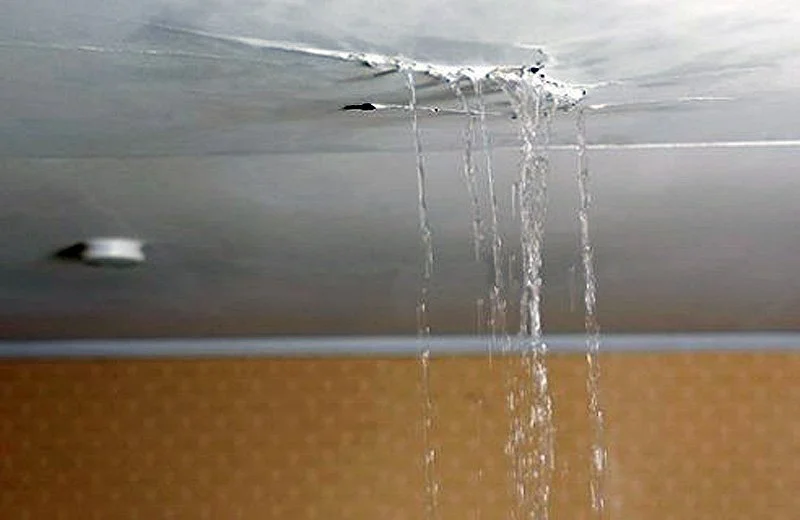
Terrace leakage occurs when water penetrates through the roof slab, joints, cracks, or waterproofing system and enters the structure below. Leakage may occur during rainfall, due to water ponding on the terrace, or because of hidden defects within the roofing system.
Water enters through vulnerable points and gradually migrates through concrete pores, cracks, and construction joints. Since concrete is not completely waterproof, prolonged exposure to moisture can allow water to travel significant distances before becoming visible inside the building.
In many cases, the visible damp patch inside a room may not directly correspond to the actual point of water entry on the terrace, making diagnosis and repair more challenging.
Major Causes of Terrace Leakage
Cracks in Concrete Slabs
Cracking is one of the most common causes of terrace leakage.
Concrete develops cracks due to several factors, including:
- Drying shrinkage after construction
- Thermal expansion and contraction
- Structural movement
- Settlement of building components
- Overloading of roof slabs
- Inadequate reinforcement detailing
Even microscopic cracks can allow water penetration. During rainy seasons, these cracks absorb moisture and gradually widen, increasing the severity of leakage.
Common crack types include:
- Hairline cracks
- Shrinkage cracks
- Structural cracks
- Settlement cracks
- Thermal cracks
If left untreated, these cracks become direct channels for water ingress.
Failure of Waterproofing Systems
A terrace waterproofing system is designed to prevent water from reaching the structural slab.
Leakage often occurs because of:
- Absence of waterproofing treatment
- Improper waterproofing application
- Use of low-quality materials
- Insufficient coating thickness
- Incomplete coverage of critical areas
- Poor workmanship during installation
Many waterproofing failures are linked not to the material itself but to incorrect application procedures.
Areas particularly vulnerable include:
- Corners and junctions
- Expansion joints
- Pipe penetrations
- Drain outlets
- Parapet wall connections
Failure to adequately protect these areas frequently leads to leakage.
Water Ponding on Terrace Surfaces
Proper drainage is essential for preventing terrace leakage.
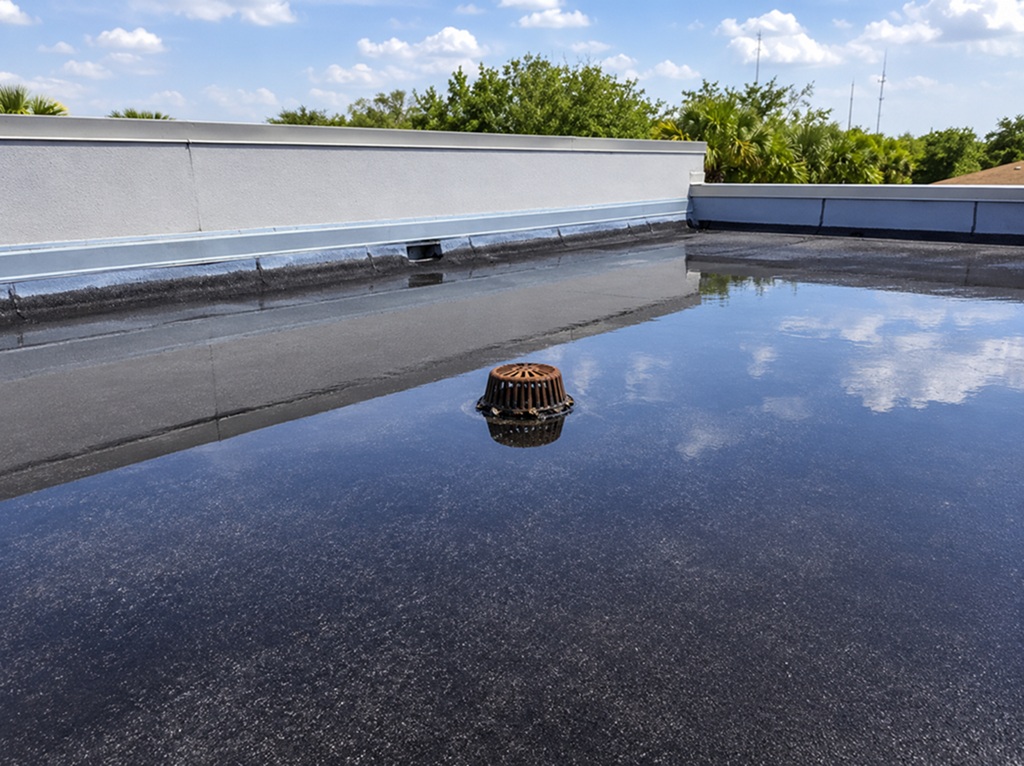
When water remains on the terrace for extended periods, hydrostatic pressure increases and water begins to penetrate through cracks and porous surfaces.
Water ponding may result from:
- Inadequate terrace slope
- Improper construction levels
- Blocked drain outlets
- Insufficient number of rainwater pipes
- Settlement of screed layers
Standing water significantly accelerates deterioration of waterproofing systems and increases the risk of leakage.
Thermal Movement and Weather Exposure
Terraces are constantly subjected to environmental stress.
During hot weather:
- Concrete expands
- Surface temperatures rise significantly
During cooler periods:
- Materials contract
- Existing cracks may widen
These continuous expansion and contraction cycles create stress within the slab and waterproofing system.
Consequences include:
- Crack formation
- Joint failure
- Membrane separation
- Loss of adhesion
Buildings in regions with extreme temperature fluctuations are especially susceptible to such problems.
Poor Construction Practices
Construction quality plays a major role in terrace performance.
Common construction defects include:
- Honeycombing in concrete
- Inadequate compaction
- Poor curing practices
- Weak concrete mix design
- Improper reinforcement placement
- Cold joints between concrete pours
These defects create voids and weak zones that facilitate water penetration.
Inadequate curing is particularly problematic because it reduces concrete density and increases permeability.
Deterioration of Waterproofing Layers
Waterproofing systems are not permanent and gradually deteriorate over time.
Factors contributing to deterioration include:
- Ultraviolet radiation
- Rainfall exposure
- Temperature fluctuations
- Mechanical wear
- Chemical attack
- Aging of materials
As waterproofing materials age, they may develop:
- Cracks
- Blisters
- Delamination
- Loss of flexibility
- Reduced adhesion
Periodic maintenance is therefore necessary to preserve effectiveness.
Leakage Through Construction Joints
Construction joints are unavoidable in most buildings.
These joints often become vulnerable points because:
- Different materials move differently
- Gaps develop over time
- Sealants deteriorate
- Waterproofing continuity is interrupted
Typical locations include:
- Slab joints
- Expansion joints
- Terrace-parapet intersections
- Staircase connections
Without proper treatment, these areas frequently become sources of leakage.
Leakage from Plumbing Installations
Not all terrace leakage originates from rainfall.
Water may also escape from:
- Overhead water tanks
- Solar water heating systems
- Plumbing pipelines
- Drainage pipes
- Air-conditioning drainage systems
Because these leaks are hidden beneath finishes, identifying them often requires specialized inspection techniques.
Effects of Terrace Leakage
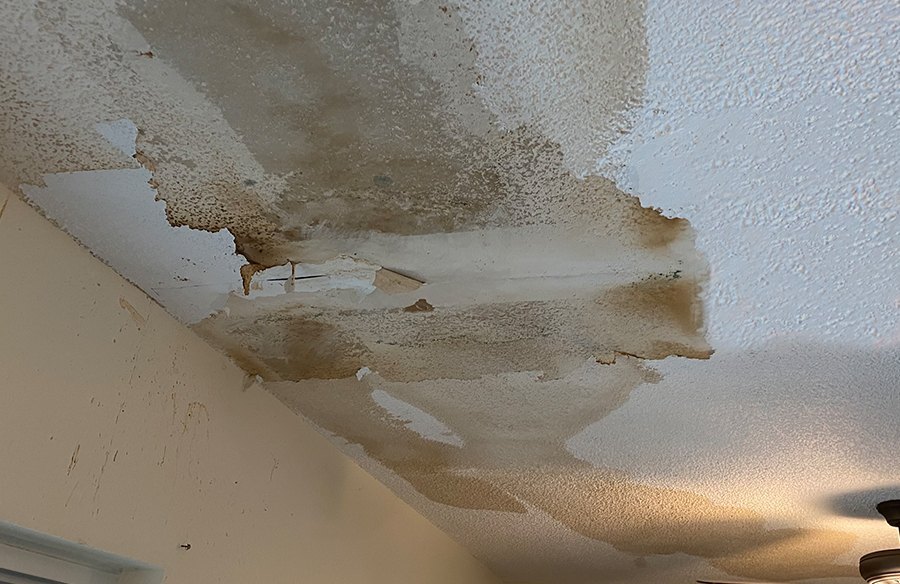
Terrace leakage can cause extensive damage throughout a building.
Damage to Interior Finishes
Water infiltration commonly causes:
- Peeling paint
- Discolored surfaces
- Blistering coatings
- Damaged wallpaper
- Plaster deterioration
These problems affect aesthetics and require frequent repairs.
Mold and Fungal Growth
Persistent moisture creates ideal conditions for biological growth.
Common consequences include:
- Mold development
- Mildew formation
- Musty odors
- Reduced indoor air quality
Mold growth can also create health concerns for building occupants.
Corrosion of Reinforcement Steel
When water reaches reinforced concrete, it can initiate corrosion.
Corrosion causes:
- Expansion of steel bars
- Cracking of surrounding concrete
- Concrete spalling
- Reduced structural capacity
This is one of the most serious long-term consequences of terrace leakage.
Electrical Hazards
Water infiltration near electrical systems can result in:
- Short circuits
- Equipment damage
- Fire hazards
- Safety risks
Immediate attention is required when leakage occurs near electrical installations.
Reduced Structural Life
Continuous exposure to moisture accelerates deterioration of building materials and shortens the service life of structures.
Identifying Terrace Leakage
Early detection helps prevent extensive damage.
Common indicators include:
- Damp patches on ceilings
- Water stains on walls
- Peeling paint
- Cracked plaster
- Mold growth
- Dripping water during rainfall
- Persistent damp odors
- Efflorescence deposits

Effective Waterproofing Solutions for Roof Leakage
Cementitious Waterproofing
Cementitious waterproofing is a widely used and economical method for controlling roof leakage. It is applied as a cement-based coating over the roof surface, which forms a protective layer against water penetration. This system bonds strongly with concrete and is suitable for both new and existing roofs. It is commonly used under protective screeds or tile finishes. However, it is less flexible, so it performs best when the roof structure has minimal movement and is properly sloped for drainage.
Polymer-Modified Waterproofing
Polymer-modified waterproofing is an improved version of cement-based systems, enhanced with polymers to increase flexibility and durability. It is highly effective for roofs exposed to temperature changes and seasonal rainfall. This system helps bridge minor cracks and prevents water seepage through the surface. It offers better adhesion and long-term performance compared to conventional cementitious coatings, making it suitable for residential and commercial roof protection.
Liquid-Applied Membranes
Liquid-applied membranes are modern waterproofing systems that create a seamless protective layer on roof surfaces. They are applied using a brush, roller, or spray and cure to form a flexible waterproof coating. Materials such as acrylic, polyurethane, and elastomeric compounds are commonly used. Their main advantage is that they form a joint-free membrane, reducing weak points where leakage can occur. They also provide excellent UV resistance, making them ideal for exposed roofs.
Bituminous Membrane Waterproofing
Bituminous membrane waterproofing is one of the most reliable methods for roof leakage protection. It uses prefabricated sheets or liquid bitumen coatings to form a strong waterproof barrier. These membranes are highly resistant to water penetration and perform well under heavy rainfall conditions. Proper installation is essential, especially at joints and overlaps, to ensure complete sealing. A protective layer is usually added to prevent damage from sunlight and physical wear.
Polyurethane Waterproofing Systems
Polyurethane waterproofing systems are advanced solutions known for their high flexibility and durability. They form a seamless, elastic membrane that adapts to roof movement caused by temperature changes. This system is highly resistant to water ponding and provides long-lasting protection even in extreme weather conditions. Due to its strong performance, it is widely used in premium buildings and areas where long-term waterproofing reliability is required.
Injection Grouting for Roof Leakage Repair
Injection grouting is used to repair existing roof leakage caused by cracks or structural defects. In this method, holes are drilled along the affected areas and waterproofing resins such as polyurethane or epoxy are injected under pressure. These materials fill internal voids and block water pathways from inside the structure. It is a highly effective solution for fixing active leakage without removing the roof surface and is commonly used for localized repair work.
Best Practices for Preventing Terrace Leakage
Long-term prevention requires a combination of good design, quality construction, and regular maintenance.
Recommended practices include:
- Providing adequate terrace slope
- Designing efficient drainage systems
- Using high-quality waterproofing materials
- Ensuring proper concrete compaction
- Following correct curing procedures
- Protecting waterproofing layers from damage
- Conducting periodic inspections
- Repairing cracks promptly
- Cleaning drain outlets regularly
- Maintaining waterproofing systems according to manufacturer recommendations
Conclusion
Terrace leakage is a widespread building problem that can lead to significant structural, aesthetic, and financial consequences if not addressed promptly. The primary causes include cracks in concrete, poor waterproofing practices, inadequate drainage, construction defects, thermal movement, and aging waterproofing systems. While leakage often begins as a minor issue, prolonged water infiltration can cause extensive damage to finishes, reinforcement steel, electrical systems, and structural components.
The most effective approach to managing terrace leakage is prevention through proper design, quality construction practices, and reliable waterproofing systems. Modern solutions such as polymer-modified coatings, liquid-applied membranes, polyurethane waterproofing, and injection grouting provide durable protection against water ingress. Combined with routine inspections and timely maintenance, these measures can significantly extend the service life of terraces and ensure the long-term durability of buildings.