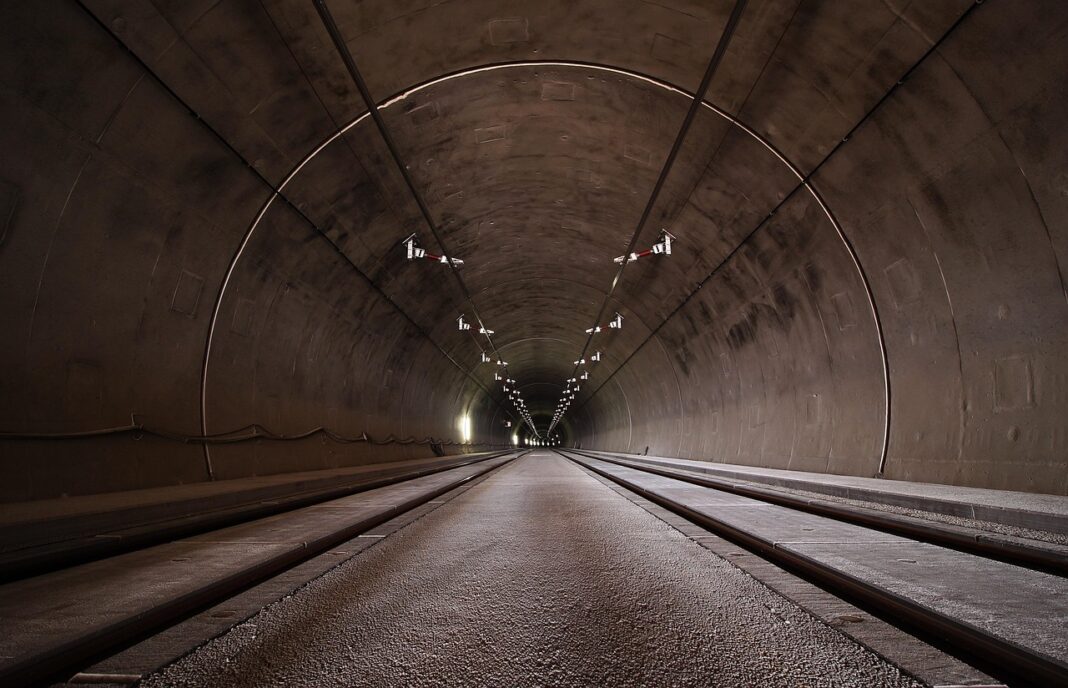
Bengaluru’s ambitious ₹17,000 crore Tunnel Road Project has officially entered the construction phase, with Karnataka Deputy Chief Minister D.K. Shivakumar laying the foundation stone for the first underground corridor at Hebbal. The project marks a significant step in the state’s efforts to address the city’s long-standing traffic congestion and improve connectivity across key urban corridors.
The first phase of the project involves the construction of a 2.23-kilometre, six-lane underground road connecting Hebbal Junction to the University of Agricultural Sciences (UAS) staff quarters. Estimated to cost ₹1,139 crore, the tunnel is expected to be completed within 18 months.
Constructed nearly 60 feet below ground level, the tunnel has been designed to ease congestion along the heavily trafficked Hebbal Junction–Mekhri Circle corridor, one of Bengaluru’s busiest entry points. The stretch serves thousands of daily commuters travelling towards Kempegowda International Airport, Yelahanka, and the northern suburbs, where rapid residential and commercial development has significantly increased traffic volumes over the past decade.
The Hebbal tunnel forms the first segment of the larger Hebbal-Silk Board underground corridor, which is a key component of the city’s long-term mobility strategy. Once completed, the broader Tunnel Road network is expected to provide faster travel across Bengaluru by reducing dependence on congested surface roads and improving east-west and north-south connectivity.
Government officials stated that the project has progressed to the execution stage following the successful completion of the tendering process and detailed geotechnical and soil investigations conducted by the selected contractor. These studies are expected to help ensure safe tunnel construction while minimizing risks associated with underground infrastructure development.
One of the major advantages of the project is that it will not require acquisition of private land. The Karnataka government has clarified that the alignment has been planned in a manner that avoids displacement of residents and businesses, reducing both project costs and the likelihood of delays arising from land acquisition and rehabilitation.
The state government has also directed the executing agency to adhere strictly to the construction schedule and ensure timely completion. Large infrastructure projects in Bengaluru have often faced delays due to land issues, utility shifting, and environmental clearances, making timely execution a key priority.
The Tunnel Road Project is expected to complement Bengaluru’s expanding metro network, suburban rail system, and road infrastructure upgrades. Urban planners believe that while underground corridors alone cannot solve the city’s traffic challenges, they can significantly improve travel times on high-density routes when integrated with public transport and intelligent traffic management systems.
With construction now underway, the Hebbal tunnel represents the first tangible step towards creating Bengaluru’s planned underground road network, aimed at enhancing mobility, reducing congestion, and supporting the city’s growing transportation needs.