
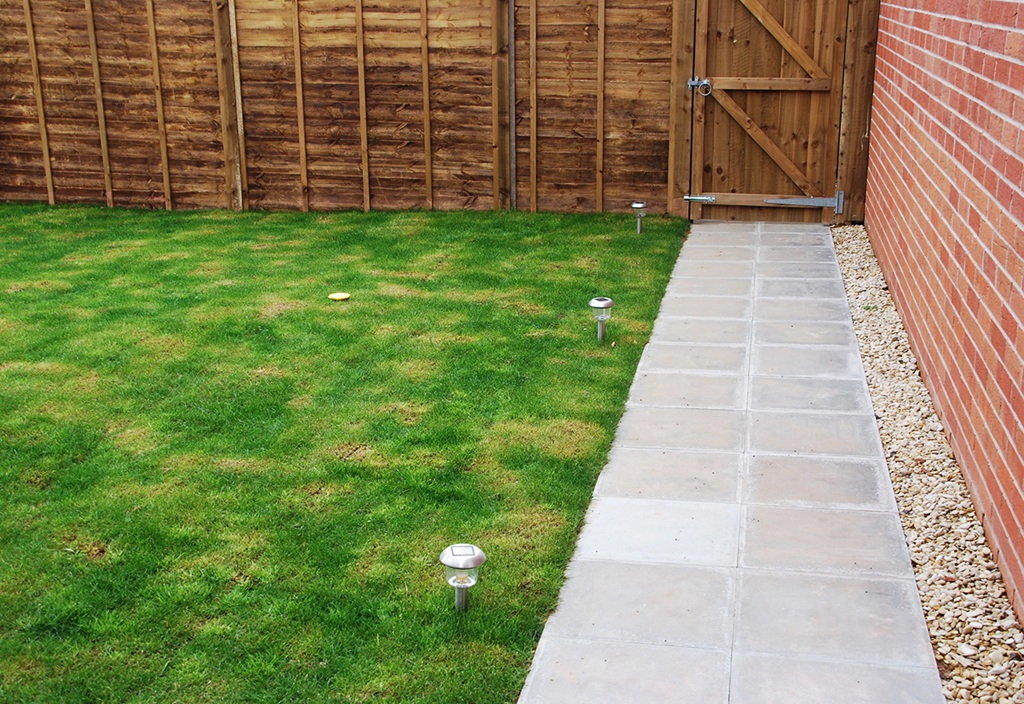
We all dream of that flawless British garden, perfect for hosting summer barbecues and showing off to the neighbours. Then, you look outside and notice your grass looks like a threadbare carpet from a vintage charity shop.
Achieving a flawless garden across the UK is a national obsession, yet our weather and soil constantly conspire against us. Mysterious bare spots appear overnight, leaving homeowners staring blankly at their muddy property lines.
Thankfully, you do not have to live with a garden that looks like a poorly rendered video game. Let’s count down the six most common issues that make your lawn look sad, along with the easy steps to fix them.
1. Lawns Struggling With Compacted Soil
Achieving a beautiful garden starts from the ground up, quite literally. If your children love playing football outside, your soil is likely taking a serious beating.
Heavy foot traffic compresses the earth over time, squeezing out the vital air pockets underneath. This hard ground blocks water, oxygen, and nutrients from reaching the roots.
Without these essentials, your grass quickly suffocates and begins to thin out. You’ll usually notice these bare patches appearing first in heavily used areas, like paths or near the washing line.
Fortunately, you can solve this issue without digging up the entire garden. Grab a garden fork or a mechanical aerator to punch holes throughout the hard ground.
This step allows the soil to breathe again and helps moisture sink deep into the earth. With that, your grass will soon have the space it needs to grow thick and healthy.
2. Lawns Sitting in Poorly Drained Ground
Once you give the soil a bit of breathing room, you have to watch where the water actually goes. Waterlogged turf is a classic British staple, especially if you are blessed with heavy clay or a garden shaped like a bowl.
When our legendary winter downpours hit that type of soil, the water simply sits there with nowhere to go. This creates a freezing, muddy swamp that leaves your grass roots drowning.
Drowned roots can’t absorb nutrients, which basically invites opportunistic moss to move in. You can easily diagnose this if the ground feels like a wet sponge or keeps puddles hours after the rain stops.
To sort this out, you can create a gentle slope or install a French drain to coax the water away. Spreading a decent layer of sharp sand over the surface also helps clear up everyday surface moisture.
These quick adjustments stop the pooling and keep the ecosystem healthy, even when the clouds inevitably open up again.
3. Lawns Growing in Too Much Shade
Even with perfect drainage and soil, your grass still needs a bit of sunshine to actually function. Massive oak trees, high fences, and that oversized garden shed can block out the light for hours on end.
This lack of sunshine leaves the grass weak and spindly because the blades can’t photosynthesise properly. Moss absolutely thrives in these dark, damp conditions, quickly bullying your struggling lawn out of its own patch.
This constant shade explains why certain dark corners never seem to fill out, no matter how much love you give them. You can’t easily move your neighbour’s brick garage, but you can definitely alter your gardening strategy.
Start by trimming back any wild, overhanging tree branches to let a bit of natural light filter down. You should also switch to a specialist shade-tolerant seed mix specifically designed to tolerate dark environments.
Setting your mower a bit higher in these spots also helps, giving the blades more surface area to catch whatever light appears. With these minor tweaks, your shaded corners can look just as respectable as the rest of the yard.
4. Lawns Damaged by Pests and Wildlife
It’s hard to enjoy your garden when a horde of uninvited insects is actively eating the foundations. Tiny garden pests are the primary reason why perfectly good UK lawns suddenly look like Swiss cheese.
Leatherjackets and chafer grubs are the usual suspects, hiding in the dirt and chewing off the roots. Then you have ants, who insist on piling up massive hills right where you want to sit.
To top it off, local wildlife will gladly damage your remaining turf to dig those grubs out. A single hungry badger can easily transform your pride and joy into a muddy wasteland in one night.
People often blame the British summer heat for these dead zones, but that is usually a mistake. If you can pick up a chunk of your lawn, the roots are basically gone.
Fix the issue by treating the soil with beneficial nematodes when the autumn rain starts to fall. They’ll clear out these pests from below while you sit inside with a proper cup of tea.
5. Lawns Starved of Nutrients
If your grass looks completely pale and refuses to grow, it is usually a sign that the soil is running on empty. A beautiful lawn needs a steady supply of nutrients to survive the changing British seasons.
When vital minerals like nitrogen vanish from the ground, your turf quickly becomes thin and patchy. Neglecting your seasonal feeding routine makes it incredibly difficult for the grass to recover on its own.
This weak turf easily gives up the ghost, allowing stubborn weeds to establish themselves in any bare area. Applying a rich, balanced fertilizer will safely revive the grass and bring back that deep green aesthetic.
Top-dressing the ground with organic matter is another excellent way to build up long-term soil structure.
If keeping up with garden chemistry feels like too much work on top of your normal routine, there’s no need to worry.
Securing reliable, quality lawn care is the best shortcut to keeping your garden looking pristine all year round. Professional crews can analyse your dirt conditions and apply the exact treatments required without you lifting a finger.
6. Lawns Neglected for Too Long
Even a well-fed lawn will eventually go downhill if you leave it completely to its own devices for months. General neglect acts as a massive catch-all for some of the absolute worst gardening disasters in the street.
Mowing only once a blue moon forces the grass to grow too tall, which completely suffocates the base of the blades. This erratic cutting habit also builds up thatch, creating a thick, suffocating mat of dead organic debris.
This dense layer blocks fresh moisture from getting down and allows stubborn weeds to colonise the open territory. What starts as a tiny, ignored corner quickly expands into a massive, bald wasteland across your property.
You can rescue a forgotten garden by setting up a consistent, sensible mowing routine throughout the growing season.
Additionally, dragging a scarifying rake through the lawn will also rip out that dead thatch and let the soil breathe.
Throwing fresh grass seed over the thin areas will quickly restore the lush density you started with.
Conclusion
Reviving a patchy British lawn takes a little patience, but the rewards are completely worth the effort. Soon, you’ll be sitting outside with a cold drink, admiring your thick, beautiful grass.
Now, put on your boots, grab your garden tools, and transform your outdoor space today!






