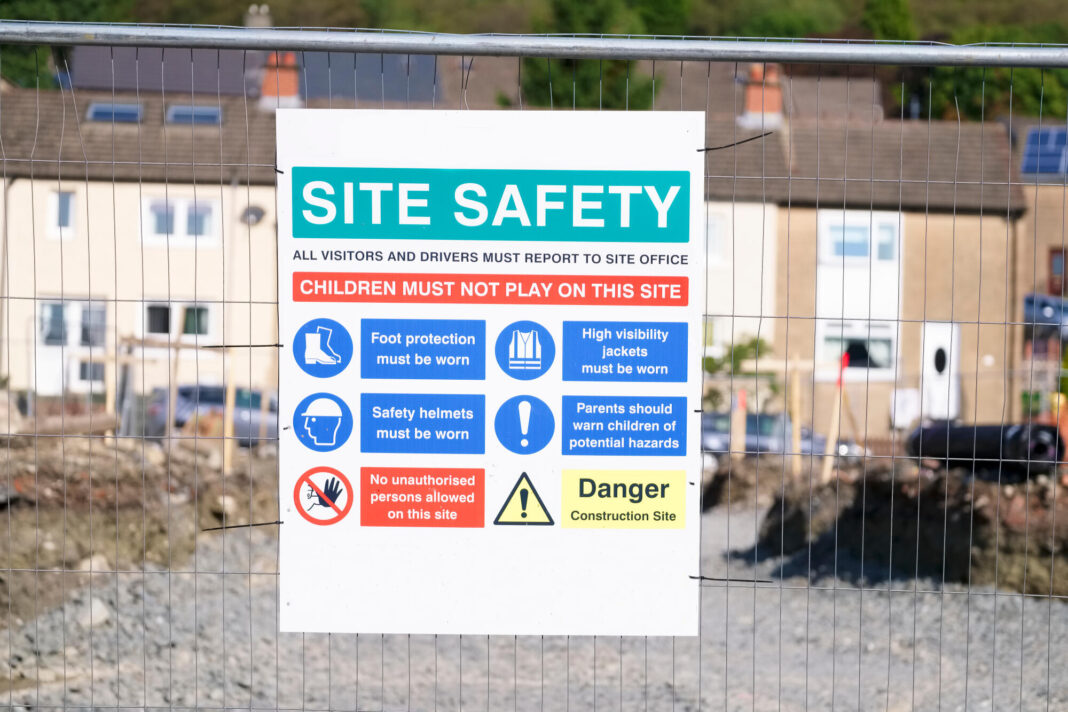
Construction sites are chaotic environments where heavy machinery, raw materials, and human labor intersect. Without clear visual communication, a job site can quickly devolve into a state of confusion that risks safety and efficiency.
Construction signs provide constant guidance that protects workers and directs traffic. The project must adhere to legal standards. Find out more below.
Resilience and the Need for Durable Materials
For a sign to be effective, it must be legible. Paper notices or cheap plastics quickly fade, tear, or blow away, rendering them useless. Many contractors opt for rigid substrates that can withstand exposure to rain, wind, and UV rays without warping or losing their print quality. For high-end or long-term projects, aluminium composite board can be utilized due to its flatness and durability. This specific material consists of two thin layers of aluminium enclosing a solid core. It creates a panel that is lightweight and rigid.
Durable materials resist corrosion and weather damage. They guarantee that safety warnings and directional information stay intact and visible for the entire duration of the project. They maintain a high standard of communication with no need for constant replacement.
Mitigating Hazards and Preventing Injuries
Job sites are filled with potential dangers. Workers become accustomed to their surroundings, which can lead to complacency. A “Danger: High Voltage” or “Hard Hat Required” sign acts as a constant reminder of the risks that exist. These warnings are necessary alerts that interrupt autopilot behavior.
Clearly mark zones where specific protective equipment is required or where entry is forbidden. The right signs reduce the likelihood of accidents. This proactive approach to safety prevents the physical trauma and financial setbacks of workplace injuries. Everyone goes home at the end of the day safely.
Directing Traffic and Managing Logistics
Construction signage affects the flow of the site. A project can involve dozens of subcontractors, delivery drivers, and inspectors who are unfamiliar with the layout. Without clear directional signs, vehicles can end up in restricted zones, and deliveries can be delayed. Here are some signs that can help:
- Site Entrance
- Delivery Zone
- No Entry
Logistical clarity reduces congestion and prevents the frustration that causes hasty mistakes. When traffic flows smoothly, the productivity of the project increases. Workers won’t waste time navigating confusion.
Legal Compliance and Liability Reduction
Construction firms operate under strict regulations set by agencies such as OSHA or similar local authorities. Posting the correct signage is a non-negotiable legal requirement. Failure to display proper warnings can result in hefty fines, work stoppages, and increased liability in the event of an accident.
Signs document evidence that the company has taken reasonable steps to inform people of potential risks. If an unauthorized person wanders onto a site and gets hurt, the presence of “No Trespassing” and “Authorized Personnel Only” signs protects the company from legal culpability. Signage is a low-cost investment that shields the business from catastrophic legal and financial consequences.
Make Construction Site Safety a Priority
Construction signs are a core component of project management and risk mitigation. A job site without adequate signage is dangerous and legally exposed. The physical presence of a sign provides a constant, passive layer of protection that verbal instructions or temporary memory simply cannot match.
Investing in high-quality signage and durable materials should be the standard. When site managers prioritize clear visual communication, they create an environment where workers can focus on their tasks. Want to learn more? Visit our website to stay updated.