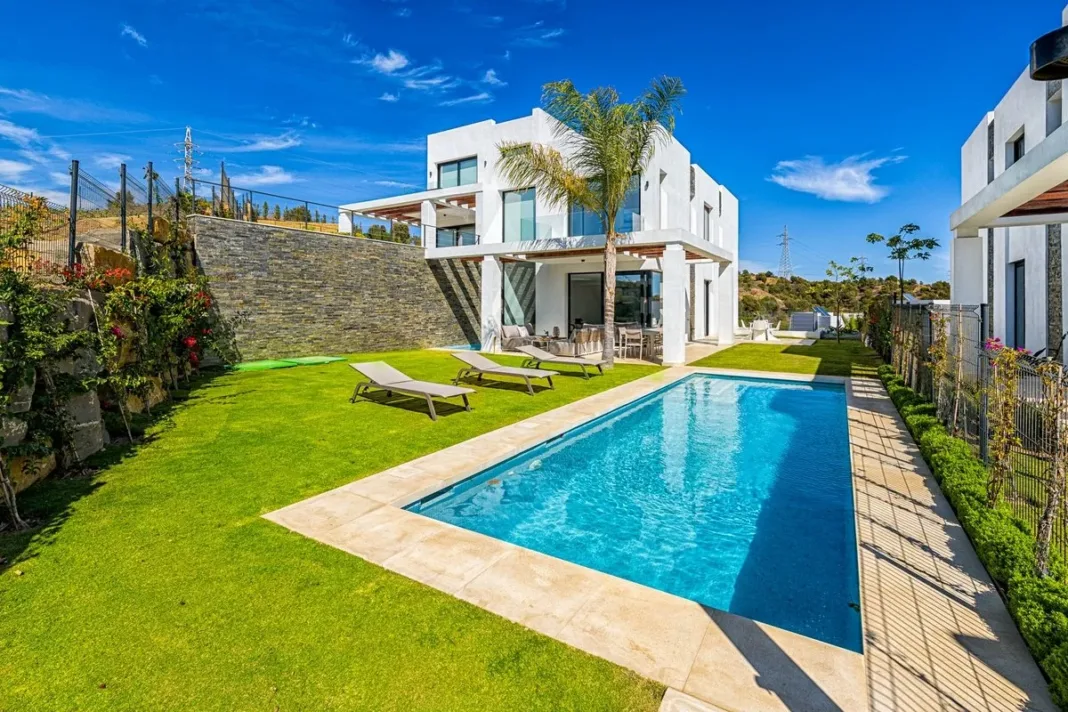
The luxury real estate market in Phuket, Thailand, has experienced unprecedented growth over the last few years. Driven by an influx of international investors, developers on the island are rapidly upgrading their construction standards to meet global expectations. Today, building a luxury villa or condominium in Phuket is no longer just about tropical aesthetics; it is about advanced engineering, sustainable materials, and climate-resilient architecture.
Climate-Resilient Engineering and Materials
Phuket’s tropical climate presents unique challenges for structural engineers. High humidity, salt-laden sea breezes, and heavy monsoon seasons require materials that can withstand severe weathering.
Modern developers are increasingly moving away from traditional plaster and paint toward high-performance concrete, rust-resistant galvanized steel, and specialized anti-corrosive coatings. Double-glazed windows with low-emissivity (Low-E) glass have also become a standard in premium developments. These windows not only protect interiors from intense UV rays but also significantly reduce air conditioning costs by maintaining stable indoor temperatures.
Sustainable and Smart Building Technologies
Sustainability is no longer a buzzword but a core requirement for modern buyers. High-end villa projects in areas like Layan, Bang Tao, and Naithon are integrating solar power systems, smart home automation, and rainwater harvesting technologies.
Smart home systems allow international owners to monitor and control their properties remotely – managing security, lighting, and climate control via mobile apps. Furthermore, advanced water filtration and recycling systems are being implemented to ensure self-sufficiency, reducing the environmental footprint of large-scale residential estates on the island’s infrastructure.
Financial Structuring and Remittance Compliance
For international buyers, especially those from rapidly growing markets like India, the technical and structural quality of a project must be matched by a clear understanding of the transaction process.
Because many premium projects are sold off-plan with construction milestones spread over 24 to 36 months, buyers can align their payments with annual capital outflow regulations. For instance, Indian investors routinely use the Reserve Bank of India’s LRS scheme for Thailand property to transfer up to $250,000 USD per individual per financial year, cleanly funding milestone payments across multiple fiscal cycles without breaching domestic remittance limits.
The Future of Phuket’s Built Environment
As Phuket continues to mature as a global residential hub, the gap between local and international construction standards is closing. The integration of green building certifications, earthquake-resistant structural designs, and premium European-standard finishes ensures that the island’s luxury real estate remains a durable, high-yielding asset class for global investors.