Concrete is one of the most durable construction materials used in buildings, bridges, pavements, industrial floors, parking structures, and hydraulic works. However, its long-term performance depends on proper design, material selection, construction practices, and exposure conditions. One of the most common forms of surface deterioration affecting concrete is surface scaling.
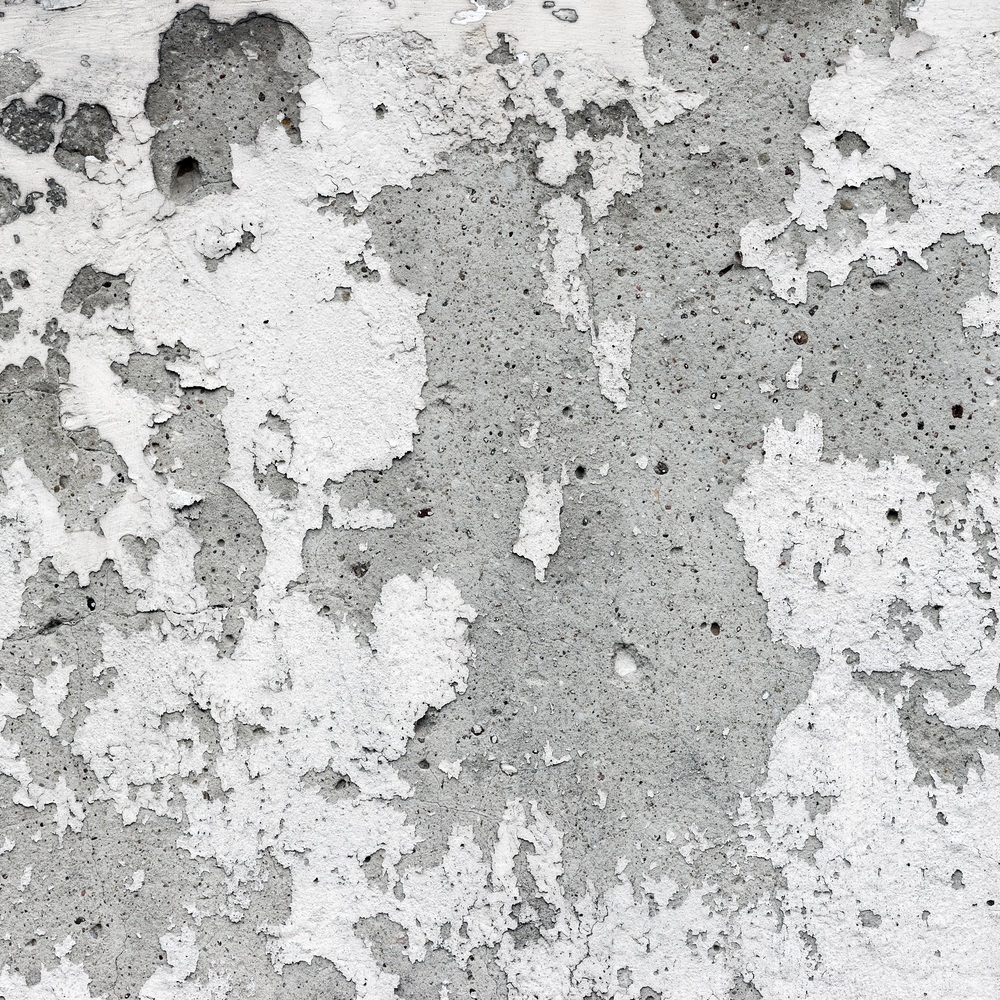
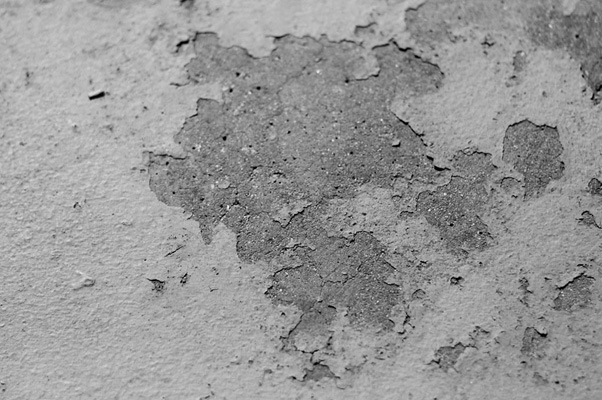
Surface scaling refers to the progressive flaking or peeling of the top layer of hardened concrete, exposing the underlying aggregate. Although it initially appears as a cosmetic defect, continued scaling can reduce durability, increase permeability, and accelerate further deterioration. Surface scaling is commonly observed in concrete exposed to freeze-thaw cycles, de-icing salts, improper finishing practices, and inadequate curing. Identifying its causes and implementing appropriate preventive measures are essential for ensuring long-lasting concrete performance.
What is Surface Scaling in Concrete?
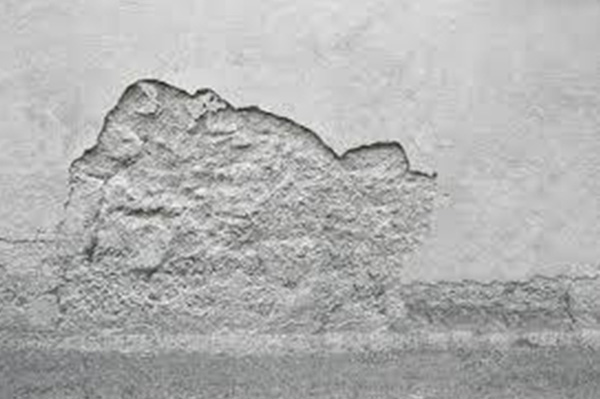
Surface scaling is the gradual loss of the cement paste and mortar from the concrete surface, resulting in shallow flakes or chips. The deterioration usually affects only the upper few millimetres of concrete but may progress deeper if left untreated.
Unlike structural cracking or spalling caused by reinforcement corrosion, surface scaling generally occurs due to environmental exposure and construction-related deficiencies. The exposed surface becomes rough, uneven, and more susceptible to moisture ingress and chemical attack.
Surface scaling commonly occurs in:
- Concrete pavements
- Industrial floors
- Parking decks
- Bridge decks
- Sidewalks
- Driveways
- Airport pavements
- Water-retaining structures
Causes of Surface Scaling
Surface scaling develops due to a combination of material, environmental, and construction factors.
1. Freeze-Thaw Cycles
Repeated freezing and thawing of water trapped within concrete pores generates internal pressure. If concrete lacks adequate air entrainment, the surface begins to deteriorate and scale.
2. Use of De-Icing Salts
De-icing chemicals increase moisture penetration and intensify freeze-thaw damage, making scaling more severe during winter.
3. Poor Finishing Practices
Finishing operations performed while bleed water remains on the surface weaken the top layer by increasing the water-cement ratio.
Common mistakes include:
- Premature trowelling
- Over-finishing
- Excessive power floating
- Sprinkling water during finishing
4. Inadequate Curing
Insufficient curing prevents proper cement hydration, resulting in a weak surface layer with lower abrasion and weather resistance.
5. High Water-Cement Ratio
Excess mixing water produces porous concrete with reduced surface strength, making it more vulnerable to scaling.
6. Poor Quality Materials
Use of low-quality aggregates, contaminated materials, or unsuitable cement can reduce the durability of the concrete surface.
7. Improper Air Entrainment
Air-entrained concrete provides microscopic air voids that relieve pressure during freezing. Lack of proper air entrainment significantly increases scaling risk.
8. Aggressive Environmental Exposure
Concrete exposed to marine environments, industrial chemicals, sulphates, and moisture experiences faster surface deterioration.
Mechanism of Surface Scaling
Surface scaling develops through progressive deterioration of the concrete surface.
The process generally involves the following stages:
- Moisture enters surface pores.
- Water freezes and expands.
- Internal hydraulic pressure develops.
- Weak surface mortar begins separating.
- Small flakes detach from the surface.
- Repeated cycles enlarge damaged areas.
- Aggregate becomes exposed.
- Surface roughness increases.
- Moisture penetration accelerates further deterioration.
Types of Surface Scaling
Depending on severity, surface scaling can be classified into different levels.
1. Light Scaling
Small flakes of mortar detach while coarse aggregates remain covered.
Surface loss is generally less than 3 mm.
2. Moderate Scaling
Larger areas of mortar are lost and coarse aggregates begin to appear.
Surface becomes noticeably rough.
3. Severe Scaling
Significant mortar loss exposes coarse aggregate over large areas.
Surface deterioration may exceed 10 mm.
4. Very Severe Scaling
Deep deterioration affects both mortar and aggregate.
Structural rehabilitation may become necessary.
Effects of Surface Scaling
Although surface scaling initially affects appearance, prolonged deterioration can significantly reduce concrete performance.
Reduced Durability
Loss of the protective surface allows moisture and contaminants to penetrate deeper into concrete.
Increased Water Absorption
Scaled surfaces absorb more water, accelerating freeze-thaw damage and chemical attack.
Reinforcement Corrosion
Moisture and chlorides reaching reinforcement initiate corrosion, leading to cracking and spalling.
Abrasion Damage
Industrial floors and pavements experience accelerated wear under traffic.
Poor Surface Appearance
Surface scaling creates rough, uneven, and unattractive finishes.
Reduced Service Life
Progressive deterioration shortens the expected life of concrete structures.
Increased Maintenance Cost
Repair and rehabilitation become more expensive as deterioration progresses.
Prevention Techniques
Preventing surface scaling begins with proper design, material selection, and construction practices.
1. Use Air-Entrained Concrete
Proper air entrainment provides resistance against freeze-thaw deterioration.
2. Maintain Low Water-Cement Ratio
Lower water content improves density and surface durability.
3. Proper Concrete Curing
Adequate curing ensures complete cement hydration and stronger surface layers.
4. Good Finishing Practices
Avoid finishing while bleed water is present.
Do not sprinkle additional water on fresh concrete.
5. High-Quality Materials
Use durable aggregates and quality cement complying with relevant standards.
6. Surface Protection
Apply sealers, waterproof coatings, or protective treatments to reduce moisture ingress.
7. Proper Drainage
Prevent standing water on concrete surfaces.
8. Regular Maintenance
Periodic inspection and sealing of minor defects help prevent extensive scaling.
Repair Techniques for Surface Scaling
The repair method depends on the extent of deterioration.
1. Surface Grinding
Light scaling can be corrected by grinding the damaged surface.
2. Polymer-Modified Repair Mortars
Repair mortars restore damaged surface layers while improving durability.
3. Concrete Resurfacing
Thin bonded overlays restore surface profile and wear resistance.
4. Micro Concrete Repairs
Used where deterioration extends beyond the surface layer.
5. Epoxy Repair Systems
Suitable for localized repairs requiring high bond strength.
6. Protective Surface Coatings
Silane, siloxane, polyurethane, and acrylic coatings reduce future moisture penetration.
7. Overlay Systems
Industrial floors and pavements often use bonded overlays for long-term rehabilitation.
Applications Where Surface Scaling is Common
Surface scaling is frequently observed in:
- Concrete highways
- Airport pavements
- Parking structures
- Industrial floors
- Warehouse floors
- Bridge decks
- Residential driveways
- Sidewalks
- Loading docks
- Water treatment facilities
Conclusion
Surface scaling is one of the most common forms of concrete deterioration, affecting both the appearance and durability of structures. Although it primarily damages the outer layer, untreated scaling allows moisture, chlorides, and aggressive chemicals to penetrate deeper into the concrete, increasing the risk of reinforcement corrosion and structural deterioration over time.
The primary causes include freeze-thaw cycles, de-icing salts, inadequate curing, poor finishing practices, high water-cement ratios, and insufficient air entrainment. Proper material selection, quality construction practices, effective curing, and routine maintenance play a significant role in preventing surface scaling.
Timely diagnosis and appropriate repair methods, such as resurfacing, polymer-modified repair mortars, protective coatings, and overlays, can restore surface integrity and extend the service life of concrete structures. With proper preventive measures and regular inspections, surface scaling can be effectively minimized, ensuring durable and long-lasting concrete infrastructure.