
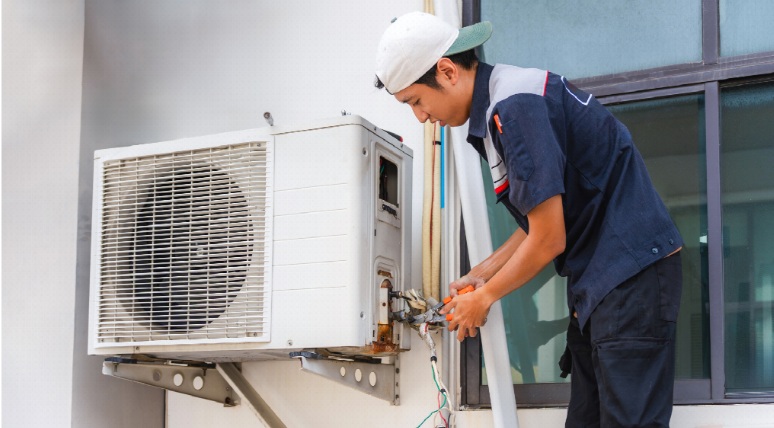
Most homeowners don’t think about their HVAC system until something goes wrong. A sudden breakdown, uneven temperatures, or increasing energy costs can quickly turn into an expensive repair. Regular HVAC system maintenance helps prevent these problems by keeping your equipment clean, efficient, and working properly.
Whether you own a home or manage a commercial property, scheduling routine HVAC inspections allows technicians to find small issues before they become major failures. With proper air conditioning maintenance, you can improve system performance, reduce energy waste, and keep your indoor space comfortable throughout the year.
Understanding Preventive HVAC Maintenance and Its Financial Impact
Cost control starts with understanding what’s actually happening inside your system. Small issues don’t stay small forever.
What Preventive HVAC Maintenance Actually Means for Homeowners
Preventive HVAC maintenance is scheduled, proactive care that includes routine inspections, tune-ups, and cleaning performed before problems develop. It helps homeowners and businesses avoid unexpected breakdowns by ensuring their systems receive timely attention from professionals offering hvac service in Everett, WA. This maintenance covers refrigerant checks, electrical testing, coil cleaning, and replacing parts that are wearing down but haven’t failed yet.
Think of it like oil changes for your car. Ignore them long enough, and eventually you’re not dealing with an oil change; you’re dealing with an engine problem. Regular HVAC maintenance works the same way by addressing small issues early before they turn into costly repairs or system failures.
The Real Price of Neglect
A dirty air filter alone can push energy use up by 15%. Layer on clogged coils, low refrigerant, or a weakening capacitor, and your system’s efficiency collapses gradually. You won’t hear a dramatic failure. You’ll just notice your bills climbing, month after month, with no obvious explanation.
Preventive Maintenance vs. Emergency Repairs: A Direct Comparison
| Factor | Preventive Maintenance | Emergency Repair |
| Average Annual Cost | $150–$500 | $500–$2,500+ |
| System Downtime | Minimal | Days or longer |
| Energy Efficiency | Maintained or improved | Often degraded |
| Equipment Lifespan | Extended | Shortened |
| Peace of Mind | High | Low |
Routine care wins across every single category. Emergency repairs are stressful, disruptive, and, this is the part that stings, almost entirely avoidable.
The Benefits That Make Preventive Maintenance Worth Every Dollar
The benefits of HVAC maintenance reach further than most people realize. Energy bills, health outcomes, long-term planning- they’re all connected to how well you maintain your system.
Lower Utility Bills, Month After Month
Efficiency and cost savings are directly linked. Energy-efficient improvements, including consistent HVAC upkeep, can generate up to $3,100 in annual utility savings. That’s money staying in your household budget instead of disappearing into utility payments.
Catching Problems Before They Become Crises
HVAC emergencies rarely come out of nowhere. They build quietly over months. Regular inspections identify warning signs early, meaning you fix a $75 component before it triggers a $1,200 compressor failure.
Extending Equipment Life and Delaying Costly Replacements
A full HVAC system replacement runs anywhere from $5,000 to $12,000. Preventive HVAC maintenance can extend your equipment’s functional life by several years. That delayed replacement is one of the most underappreciated forms of HVAC maintenance cost savings available to any homeowner.
Cleaner Air and Real Health Dividends
Well-maintained filters and ducts reduce dust, allergens, and airborne contaminants. Fewer respiratory irritants can translate into fewer sick days and medical visits, a savings category most homeowners never think to calculate.
Keeping Warranties and Insurance Intact
Many manufacturers require documented service history to honor warranty claims. Miss a few scheduled visits, and your coverage could be void at exactly the moment you need it most.
Actionable HVAC Preventive Maintenance Strategies That Deliver Results
Everett, WA sits squarely in the Pacific Northwest, where wet, cold winters and warm summers keep residential HVAC systems working consistently year-round. That’s real seasonal pressure on heating and cooling equipment, and it makes routine care not just advisable but genuinely necessary.
Working with a trusted HVAC service in Everett, WA connects you with NATE-certified technicians who understand local climate demands and build maintenance plans around them.
Seasonal Maintenance Checklist Every Homeowner Should Follow
Effective HVAC preventive maintenance tips begin with knowing what to do and when. Start here:
– Spring: Check refrigerant levels, clean condenser coils, test the full cooling cycle
– Fall: Inspect the heat exchanger, test ignition systems, replace air filters
Two thorough checkups per year cover the core of preventive HVAC maintenance and prevent the majority of common system failures.
Filters, Coils, and Ducts, Small Steps with Outsized Returns
Replacing a $10 air filter every 60 to 90 days is one of the highest-return habits in home maintenance. Dirty coils and obstructed ducts force your system to work 20 to 30 percent harder than necessary. Addressing them regularly is among the simplest HVAC preventive maintenance tips with the fastest, most measurable payback.
Balancing DIY Tasks with Professional Service
Filter swaps, visual checks, and thermostat testing are excellent DIY responsibilities. Refrigerant handling, electrical diagnostics, and duct inspections require a trained technician. Finding that balance keeps your costs reasonable without compromising safety or performance.
Choosing the Right HVAC Service in Everett, WA
Results depend heavily on who does the work. Selecting the right hvac service in Everett, WA means prioritizing NATE-certified technicians, transparent pricing, and genuine local expertise, the combination that makes preventive maintenance consistently deliver on its promise.
Qualities That Separate Good Providers from Great Ones
Look for verified customer reviews, upfront pricing structures, and 24/7 emergency availability. A company willing to support you outside standard business hours is demonstrating the kind of commitment that matters when things go wrong unexpectedly.
Questions Worth Asking Before You Sign
Before committing to a service contract, ask directly: What does each visit include? Are parts covered? What’s the emergency response time? Straightforward answers to these questions separate trustworthy providers from unreliable ones fast.
Understanding What Service Plans Actually Offer
Annual maintenance packages from established local providers typically include priority scheduling, discounted repair rates, and seasonal service reminders. That built-in structure makes consistency far easier to maintain, and consistency is the foundation of lasting HVAC maintenance cost savings.
Common Questions About Preventive HVAC Maintenance
1. How often should you schedule preventive maintenance?
Twice yearly is the standard recommendation, spring before cooling season, fall before heating season. This applies to traditional AC and furnace setups as well as heat pump systems.
2. Does preventive maintenance genuinely save money?
Without question. Proactive maintenance reduces overall maintenance costs by an average of 40%, cuts unplanned downtime by 30 to 45%, and can extend equipment lifespan by up to 35%.
The Bottom Line
Preventive care is one of the most straightforward, high-return investments a homeowner can make. The benefits of HVAC maintenance- reduced energy bills, fewer emergency breakdowns, extended equipment life, and improved indoor air quality- consistently outweigh the modest cost of routine service. Understanding how to save money on HVAC doesn’t require a complicated strategy. It requires commitment to regular upkeep. Don’t wait for a failure to force your hand. Schedule preventive maintenance now and protect both your comfort and your financial peace of mind for years ahead.






