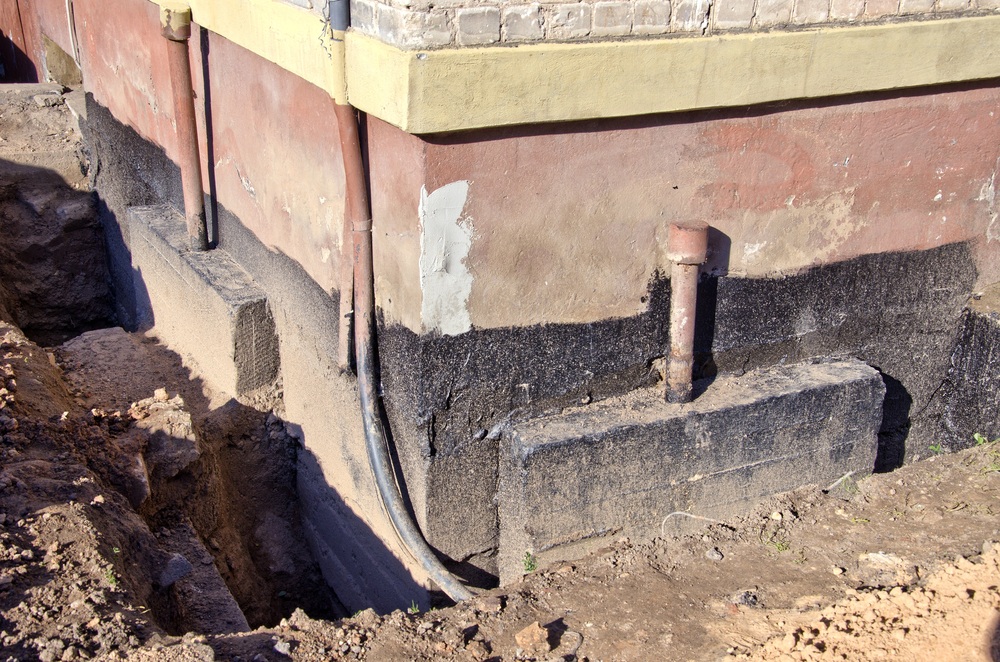
The foundation is one of the most important elements of any building or structure, as it transfers the load of the building safely to the ground. A properly designed and constructed foundation provides structural stability, durability, and long-term performance. However, foundations are continuously exposed to factors such as soil movement, groundwater variations, weather conditions, construction defects, and changing loads, which can lead to various issues over time.
Foundation problems usually do not occur suddenly. In most cases, they develop gradually due to factors such as inadequate soil investigation, improper design, insufficient drainage, poor construction practices, or lack of regular maintenance. Identifying foundation issues at an early stage helps prevent major structural damage and reduces the need for costly repairs.
Understanding common foundation problems and adopting preventive measures during the design, construction, and maintenance stages can improve the service life, safety, and performance of buildings. This article discusses the common foundation issues faced in construction and the measures that can be taken to prevent them.
1. Foundation Settlement
Foundation settlement is one of the most common issues affecting buildings. It occurs when the soil beneath the foundation compresses or shifts due to the weight of the structure. A certain amount of settlement is expected after construction, but excessive or uneven settlement can create structural problems.
Types of Foundation Settlement
Uniform Settlement
Uniform settlement occurs when the entire foundation moves downward at the same rate. Although it affects the building level, it generally causes fewer structural issues if the settlement remains within acceptable limits.
Differential Settlement
Differential settlement occurs when different sections of a foundation settle at different rates. This is more dangerous because it creates uneven stress distribution within the structure.
Causes of Foundation Settlement
- Poor soil bearing capacity
- Insufficient soil investigation before construction
- Improper compaction of soil
- Excessive structural loading
- Changes in groundwater levels
- Poor foundation design
- Construction on filled or reclaimed land
Prevention Measures
- Conduct detailed geotechnical investigations before foundation design
- Select suitable foundation types based on soil conditions
- Ensure proper soil compaction during construction
- Use appropriate ground improvement techniques where required
- Follow structural design specifications and load calculations
2. Foundation Cracks
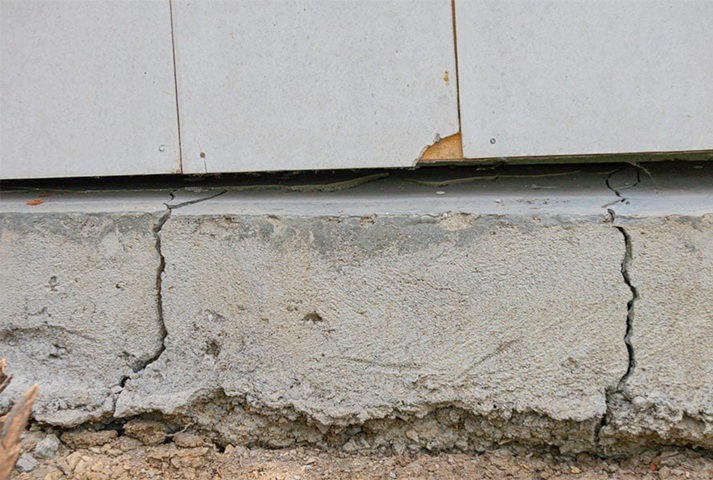
Cracks in foundations can indicate different levels of problems, ranging from minor shrinkage cracks to serious structural failures. Identifying the type, size, and location of cracks helps determine the underlying cause.
Common Causes of Foundation Cracks
Concrete Shrinkage
Concrete naturally shrinks as it dries and gains strength. Minor shrinkage cracks may develop if proper curing practices are not followed.
Soil Movement
Expansion and contraction of soil due to moisture changes can create pressure on foundations, resulting in cracks.
Excessive Loads
Foundations designed without considering actual building loads may experience stress beyond their capacity.
Poor Construction Practices
Improper concrete mixing, inadequate reinforcement, and insufficient curing can reduce foundation strength.
Prevention Measures
- Use quality concrete materials
- Maintain proper water-cement ratio
- Provide adequate reinforcement as per design requirements
- Ensure proper curing of concrete
- Conduct regular inspection of foundation conditions
3. Water Leakage and Moisture Problems
Water infiltration is a major threat to foundation durability. Continuous exposure to moisture can weaken concrete, damage reinforcement, and reduce the overall strength of the structure.
Causes of Foundation Water Problems
- Poor waterproofing systems
- Improper drainage around the building
- Rising groundwater levels
- Cracks in foundation walls
- Blocked drainage systems
- Poor site grading
Effects of Water Infiltration
- Concrete deterioration
- Corrosion of reinforcement steel
- Mould and dampness inside buildings
- Reduction in foundation strength
- Damage to basement areas
Prevention Measures
- Install suitable waterproofing membranes
- Provide effective drainage systems around foundations
- Maintain proper slope away from the building
- Seal construction joints properly
- Use water-resistant concrete where required
4. Soil Expansion and Shrinkage
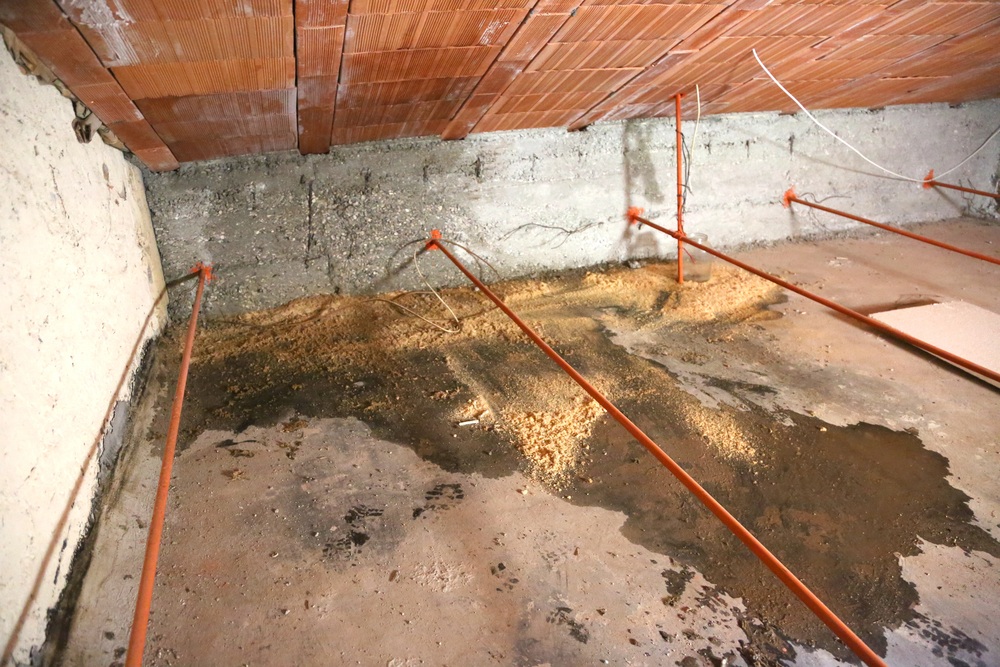
Soil behaviour plays an important role in foundation performance. Certain soil types, particularly expansive soils, change volume depending on moisture content.
During rainy periods, expansive soils absorb water and expand, creating upward pressure on foundations. During dry periods, they lose moisture and shrink, causing movement beneath the structure.
Effects of Expansive Soil
- Foundation movement
- Wall cracks
- Uneven floors
- Structural distortion
- Damage to underground services
Prevention Measures
- Conduct soil testing before construction
- Design foundations according to soil characteristics
- Improve soil conditions using stabilisation techniques
- Maintain consistent moisture levels around foundations
- Use suitable foundation systems such as deep foundations where necessary
5. Poor Drainage Around Foundations
Improper drainage is one of the major causes of foundation deterioration. Water accumulation around the foundation increases soil pressure and can weaken supporting soil layers.
Common Drainage Issues
- Lack of surface drainage
- Improper site grading
- Blocked rainwater outlets
- Leakage from plumbing systems
- Poor stormwater management
Prevention Measures
- Install proper drainage systems
- Ensure rainwater flows away from the structure
- Regularly maintain gutters and drainage channels
- Repair plumbing leaks immediately
- Provide waterproof barriers where required
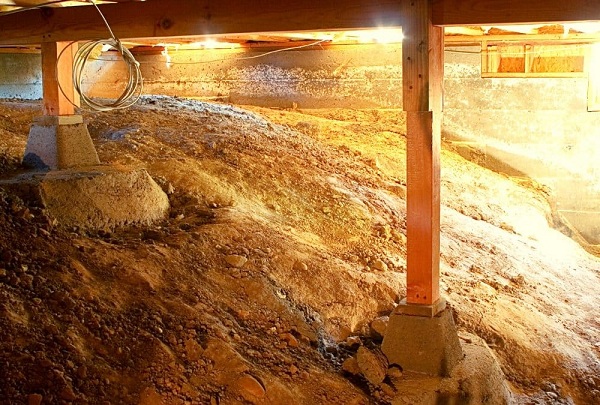
6. Foundation Heaving
Foundation heaving occurs when soil beneath the foundation pushes upward. It is commonly associated with expansive soils, frost action in colder regions, or excessive moisture accumulation.
Causes of Foundation Heaving
- Expansion of clay soils
- Water accumulation beneath foundations
- Freezing and expansion of soil moisture
- Poor drainage conditions
Effects of Foundation Heaving
- Uneven floors
- Cracked walls
- Misaligned doors and windows
- Structural movement
Prevention Measures
- Improve drainage around foundations
- Remove unsuitable soil and replace it with stable materials
- Use proper foundation depth
- Design foundations based on local soil conditions
7. Poor Foundation Design
Foundation design requires careful consideration of soil conditions, structural loads, environmental factors, and future requirements. Incorrect design decisions can lead to long-term performance issues.
Common Design Mistakes
- Incorrect estimation of building loads
- Selecting unsuitable foundation type
- Ignoring soil characteristics
- Insufficient reinforcement design
- Lack of consideration for groundwater conditions
Prevention Measures
- Engage experienced structural and geotechnical engineers
- Conduct comprehensive site investigations
- Follow applicable design standards
- Review foundation designs before execution
- Consider future loading conditions
8. Construction Quality Issues
Even a well-designed foundation can fail if construction quality is poor. Execution plays a major role in ensuring foundation performance.
Common Construction Problems
- Poor concrete quality
- Incorrect reinforcement placement
- Improper excavation
- Inadequate compaction
- Lack of quality control inspections
Prevention Measures
- Use approved construction materials
- Monitor concrete quality through testing
- Ensure reinforcement placement as per drawings
- Conduct regular site inspections
- Maintain proper construction documentation
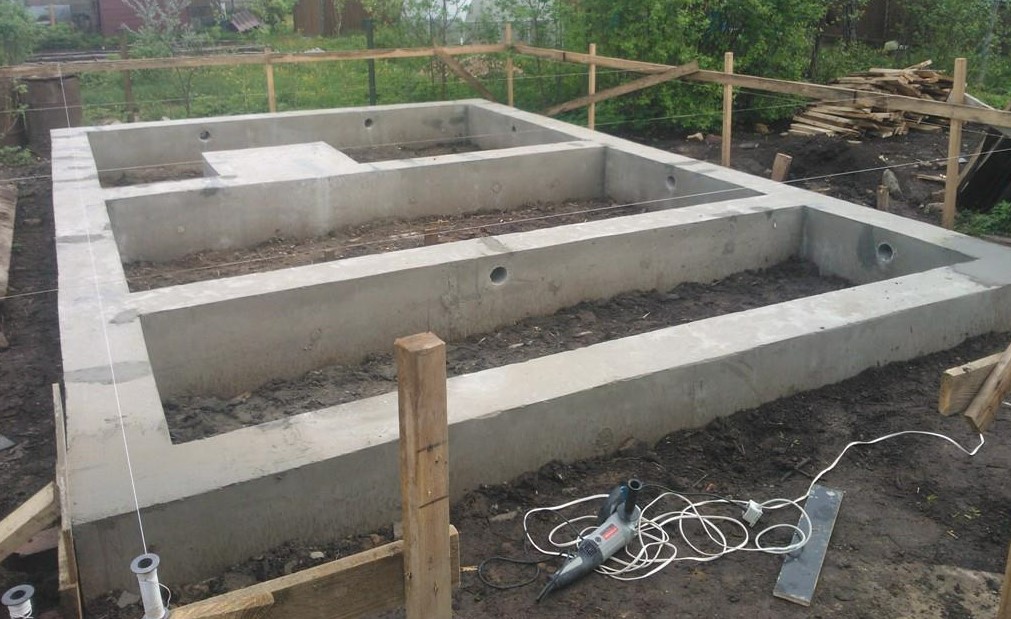
9. Tree Root Damage
Large trees located close to buildings can affect foundations. Tree roots absorb moisture from soil, causing soil shrinkage and movement.
Effects of Tree Roots
- Soil instability
- Foundation movement
- Cracks in walls and floors
- Damage to underground utilities
Prevention Measures
- Maintain safe distance between trees and buildings
- Plan landscaping carefully
- Use root barriers where required
- Monitor existing vegetation around structures
10. Foundation Failure Due to Poor Maintenance
Foundations require periodic inspection and maintenance to ensure long-term performance. Small issues can become major problems if ignored.
Maintenance Practices
- Inspect cracks regularly
- Check drainage systems
- Monitor moisture conditions
- Repair waterproofing defects
- Address plumbing leaks quickly
Tests Used for Foundation Assessment
- Visual Inspection
- Soil Investigation (Geotechnical Investigation)
- Standard Penetration Test (SPT)
- Cone Penetration Test (CPT)
- Plate Load Test
- Ultrasonic Pulse Velocity (UPV) Test
- Rebound Hammer Test
- Ground Penetrating Radar (GPR)
- Half-Cell Potential Test (for reinforcement corrosion)
- Cover Meter Survey
- Concrete Core Test
- Crack Width Measurement
- Settlement Monitoring
- Borehole Investigation
- Permeability Test
- Electrical Resistivity Test
- Infrared Thermography
- Cross-Hole Sonic Logging (for deep foundations/piles)
- Pile Integrity Test (PIT)
- Static Load Test on Piles
- Dynamic Load Test on Piles
These are the most widely used tests for evaluating foundation condition, concrete quality, soil characteristics, and structural performance.
Conclusion
Foundation problems can significantly affect the safety, durability, and service life of buildings if they are not identified and addressed at an early stage. Issues such as settlement, cracking, water infiltration, soil movement, poor design, and construction defects are among the most common challenges faced in foundation engineering.
Preventing foundation problems requires a comprehensive approach that begins with proper soil investigation and continues through design, construction, waterproofing, drainage management, and regular maintenance. By adopting suitable engineering practices, using quality materials, and implementing modern foundation technologies, builders and engineers can ensure stable and durable structures that perform effectively throughout their intended service life.