
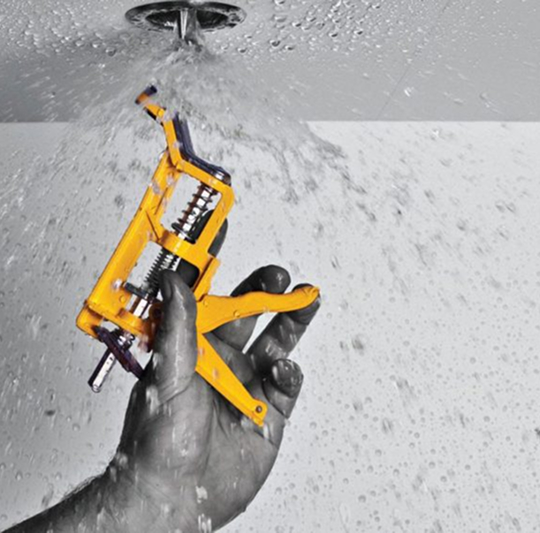
Water damage is one of the most costly and disruptive issues commercial property owners can face. Even a small amount of uncontrolled water can damage equipment, inventory, flooring, ceilings, and critical business infrastructure. While many businesses focus on fire protection systems, they may overlook the potential damage that can occur when sprinkler systems activate unexpectedly. Organizations that invest in solutions such as a fire sprinkler shut off tool often understand that preventing water damage is an important part of protecting both property and business operations.
Water damage can occur within minutes.
The financial impact can last much longer.
1. Water Damage Can Disrupt Business Operations
Commercial properties depend on uninterrupted operations.
When water damage occurs, businesses may need to temporarily close affected areas while cleanup and repairs take place.
Common Consequences:
- Interrupted business activities
- Employee displacement
- Delayed customer service
- Temporary facility closures
Benefits of Prevention:
- Reduced downtime
- Greater operational continuity
Business interruptions often cost more than repairs alone.
The Trade-Off
Investing in prevention requires planning, but it helps minimize costly disruptions.
2. Property Damage Can Escalate Quickly
Water spreads rapidly through commercial buildings.
Once released, it can travel through ceilings, walls, flooring, and mechanical systems in a short period of time.
Areas Commonly Affected:
- Offices
- Retail spaces
- Warehouses
- Mechanical rooms
Benefits of Fast Response:
- Reduced structural damage
- Lower restoration costs
- Faster recovery
Time is one of the most important factors in limiting damage.
The Trade-Off
Emergency preparedness requires training and equipment, but it can significantly reduce losses.
3. Equipment and Technology Are Vulnerable
Modern businesses rely heavily on technology.
Computers, servers, networking equipment, security systems, and other electronics can be highly susceptible to water exposure.
Potential Risks:
- Equipment failure
- Data loss
- Expensive replacements
- Operational interruptions
Benefits of Prevention:
- Better asset protection
- Reduced replacement costs
Protecting technology helps maintain business continuity.
The Trade-Off
Preventative measures may involve upfront costs, but they can protect valuable equipment investments.
4. Inventory Loss Can Be Significant
Retail stores, warehouses, hotels, and commercial facilities often store valuable inventory on-site.
Water damage can affect products long before they can be moved or protected.
Benefits of Prevention:
- Reduced inventory losses
- Better protection of business assets
- Lower insurance claims
Why It Matters:
- Inventory replacement costs can accumulate quickly
Protecting inventory supports profitability.
The Trade-Off
Preparedness planning takes effort, but it can prevent substantial financial losses.
5. Water Damage Often Leads to Expensive Cleanup Costs
The initial water release is often only part of the problem.
Cleanup, drying, restoration, and repairs frequently represent a significant portion of the overall expense.
Common Restoration Activities:
- Water extraction
- Structural drying
- Material replacement
- Professional restoration services
Benefits of Prevention:
- Reduced restoration expenses
- Faster return to normal operations
The less damage that occurs, the less recovery is required.
The Trade-Off
Preventative investments are often smaller than major restoration costs.
6. Customer and Tenant Experiences Can Be Affected
Commercial properties serve customers, tenants, employees, and visitors.
Water-related incidents can negatively affect their experience and confidence in the facility.
Benefits of Prevention:
- Improved customer satisfaction
- Better tenant retention
- Reduced inconvenience
Why It Matters:
- Property disruptions can affect reputation and trust
Reliable facilities create better experiences.
The Trade-Off
Maintaining preparedness requires ongoing attention, but it helps support long-term relationships.
7. Insurance May Not Cover Every Cost
Insurance can help offset some financial losses, but claims often involve deductibles, limitations, and administrative challenges.
Potential Issues:
- Deductible expenses
- Business interruption losses
- Increased insurance premiums
Benefits of Prevention:
- Reduced claim frequency
- Better control over risk
Avoiding damage is often preferable to managing claims.
The Trade-Off
Risk reduction measures require planning but may reduce long-term financial exposure.
8. Emergency Preparedness Improves Response Times
When water-related incidents occur, rapid action is critical.
Having the proper procedures, equipment, and training in place allows facility teams to respond more effectively.
Benefits:
- Faster containment
- Reduced damage spread
- Improved emergency management
Why It Matters:
- Every minute can affect the extent of damage
Preparedness improves outcomes.
The Trade-Off
Emergency planning requires resources, but it helps minimize future losses.
9. Water Damage Prevention Protects Long-Term Property Value
Commercial buildings are significant investments.
Protecting them from preventable damage helps preserve both physical condition and long-term value.
Benefits:
- Better building performance
- Reduced deterioration
- Improved asset longevity
Impact:
- Stronger return on investment
Property protection supports long-term success.
The Trade-Off
Preventative maintenance and preparedness require commitment, but they help preserve valuable assets.
The Takeaway: Water Damage Prevention Is a Critical Part of Property Protection
For commercial property owners, preventing water damage is about more than avoiding repairs. It helps protect operations, equipment, inventory, customer experiences, and long-term property value.
A proactive water damage prevention strategy helps:
- Reduce business interruptions
- Protect building structures
- Safeguard technology and equipment
- Prevent inventory losses
- Lower restoration costs
- Improve customer and tenant experiences
- Reduce insurance-related challenges
- Improve emergency response
- Preserve long-term property value
The goal is not simply to respond when water damage occurs.
It is to minimize the likelihood and impact of incidents before they become costly problems.
By combining preventative maintenance, emergency preparedness, and effective response tools, commercial property owners can better protect their facilities and maintain business continuity when unexpected situations arise.






