
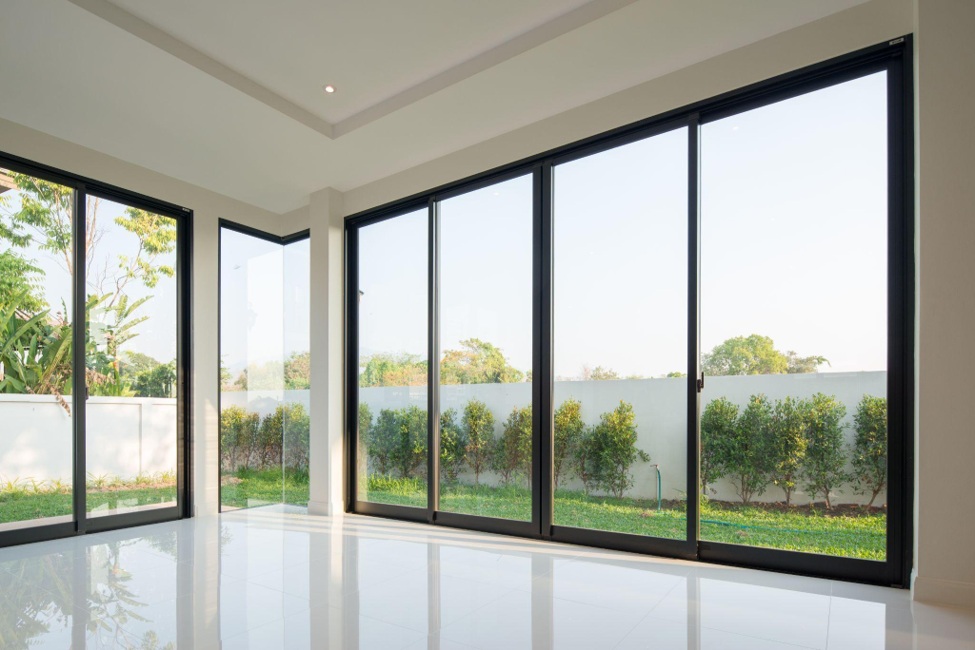
Heavy monsoon rain can reveal problems in a building’s structure. Windows and glazed openings are particularly vulnerable because strong winds can drive rainwater toward frames and joints. For homes with large glazed openings, choosing the right sliding glass doors or slider window designs requires more than considering appearance and ventilation. The system must also manage water, air pressure, drainage and sealing effectively. A well-engineered sliding system uses multiple components to control water movement and prevent leakage.
Why Water Ingress Occurs During Heavy Rain
Water ingress does not necessarily occur because rain simply falls onto a window. During storms, wind can push rain horizontally towards the building envelope. Water can then reach joints, frame intersections, tracks and other points where gaps may exist. Wind load performance is also important, as the system must withstand wind pressure and remain structurally stable without excessive deflection or deformation.
The risk becomes more important when a window or door has large glazed areas or multiple moving panels. Sliding systems contain tracks and overlapping sections that require careful engineering to manage water without compromising smooth operation.
Water-tightness performance refers to the ability of a window or door system to resist rainwater infiltration. The objective is to prevent water from passing through the frame and entering the occupied space.
How Sliding Glass Doors Manage Rainwater
Effective sliding glass doors use a combination of sealing, drainage and frame design rather than relying on a single barrier.
Gaskets at Critical Joints
Gaskets form an important part of the sealing system. PVC gaskets can be positioned at interlocks and other sealing points to reduce pathways through which water and air could pass.
The quality and placement of gaskets matter because moving panels create interfaces that must remain properly sealed while allowing smooth operation.
Overlapping Profiles
The meeting points between a sliding sash and frame require precise alignment. Proper overlap between profiles and sashes helps reduce direct pathways for rainwater.
When combined with appropriate gaskets and seals, the overlap can create a more effective barrier against wind-driven rain.
Integrated Drainage
Not all water reaching the outer part of a window needs to be blocked. A well-designed system can allow controlled water to enter designated drainage channels and then discharge it safely outside.
Drainage caps, drainage channels and one-way drainage valves can help manage water within the frame. A double drainage arrangement can provide additional control by directing accumulated water away from the interior.
This approach is important because creating an entirely impermeable outer surface is not always practical. Controlled drainage provides a defined route for water that reaches the system.
Read Also:- 10 Expert Tips on Picking the Best Exterior Window Styles
The Role of Sealed Corners and Joints
Corners are potential points of vulnerability because several frame sections meet at the same location. Poorly sealed joints can create pathways for water infiltration.
Precision sealing at frame corners can reduce this risk. Silicone sealant may also be used at specified corners and joints to reinforce installation sealing. Nano gaskets can provide additional sealing at frame corner connections. The objective is to create continuity across the frame so that water does not find an unprotected gap between adjoining components.
How Air-Tightness Supports Weather Resistance
Air-tightness measures how effectively a window or door limits air movement through gaps between the frame and panel. During storms, wind pressure can increase the risk of moisture and dust entering through poorly sealed areas.
PVC gaskets, proper profile overlap and sealing blocks can improve air-tightness. A well-engineered system therefore considers air and water performance together for better weather protection.
Consider Wind Load and Water Resistance Together
Heavy storms can subject windows and doors to significant wind pressure. Wind-load resistance indicates how much pressure a system can withstand without unacceptable deformation or damage.
The greater the exposure, the more important the frame, hardware, glazing and installation become. Sliding systems should therefore be selected based on the building’s height, location and environmental conditions.
As design requirements increase in high-exposure buildings, integrated systems become more important. Systems such as TOSTEM sliding doors are an example of how sealing, drainage and structural design can work together to support weather performance.
Choosing Slider Window Designs for Monsoon Conditions
When evaluating slider window designs, consider more than frame appearance and glass size:
- Drainage: Ensure rainwater has a clear path to exit the frame.
- Gaskets: Check for suitable seals at interlocks, joints and critical points.
- Profile overlap: Proper overlap helps limit direct water entry.
- Corner sealing: Well-sealed connections reduce potential leakage points.
- Wind resistance: Choose a system suited to the building’s location and exposure.
- Installation quality: Proper installation is essential for overall performance.
Considering these factors can help ensure slider window designs provide reliable performance during heavy rain and changing weather conditions.
Conclusion
Monsoon performance depends on how effectively a sliding glass system manages water, air pressure and drainage under demanding conditions. Gaskets, profile overlaps, sealed joints, drainage channels and structural design work together to reduce the risk of water ingress. By evaluating these elements alongside wind exposure and installation quality, homeowners and architects can select sliding systems that provide greater reliability and comfort during heavy storms.






