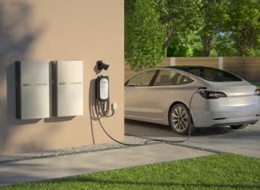
Electric vehicles are becoming a practical choice for everyday travel. As ownership grows across the UK, more drivers are looking beyond the vehicle itself and focusing on how they will charge it efficiently.
Public charging remains useful, but daily charging habits often determine long term costs and convenience. Understanding the value of home charging helps drivers make a more informed investment decision.
Understanding the Real Value of Home EV Charging
For many EV owners, charging at home becomes part of a normal routine. EV charger installation at home helps homeowners set up dedicated charging systems that make daily charging simpler, faster, and more predictable.
- Charge overnight while the vehicle is parked
- Access lower electricity rates during off peak hours
- Reduce reliance on public charging stations
- Improve charging speeds compared to standard sockets
- Gain more control over charging schedules
- Support future electric vehicle ownership
- Potentially lower long term charging expenses
Factors That Influence Whether a Home EV Charger Pays Off
The value of a home charger depends on more than its purchase price. Driving patterns, energy tariffs, charging habits, and future vehicle plans all influence the return on investment.
1. Daily Driving Distance
Drivers who cover significant mileage each week typically rely on charging more often. Frequent charging makes convenience and running costs a larger part of everyday vehicle ownership.
Someone driving hundreds of miles each week may benefit from consistent charging savings because home electricity rates are usually lower than many public charging options.
2. Electricity Costs Versus Public Charging Prices
Public charging prices vary widely depending on location, provider, and charger speed. Rapid charging networks often charge noticeably higher rates per kilowatt hour.
Data from UK industry sources continues to show that lower domestic electricity costs can make home charging one of the most economical options available to EV owners.
3. Vehicle Battery Size
Battery size plays an important role in charging costs. Larger batteries require more electricity, making tariff selection and charging efficiency increasingly important.
Drivers with long range electric vehicles often benefit from overnight energy savings because they regularly charge larger battery packs throughout the week.
4. Charging Habits and Routine
The value of convenience is often overlooked when comparing charging options. A predictable routine removes much of the planning associated with public charging visits.
Many owners appreciate the simplicity of ready to drive convenience because their vehicle begins each day with sufficient charge for regular travel.
5. Off Peak Energy Tariffs
Energy suppliers across the UK increasingly offer EV focused electricity plans. These tariffs provide reduced electricity costs during designated overnight periods.
When combined with smart charging features, off peak charging schedules can significantly reduce annual charging expenses over time.
6. Property and Installation Requirements
Every property presents different installation considerations. Electrical capacity, parking arrangements, and charger location all influence the final installation cost.
A professional assessment helps identify installation related factors before work begins, reducing the risk of unexpected expenses later.
7. Length of EV Ownership
The longer someone owns an electric vehicle, the greater the opportunity to recover installation costs through regular use and lower charging expenses.
Drivers planning several years of ownership often gain more value from long term charging efficiency than those expecting a shorter ownership period.
Additional Benefits Beyond Cost Savings
Financial calculations matter, but they are not the entire story. Many EV owners discover that convenience becomes the biggest advantage after installation.
Several practical benefits appear once charging becomes a normal part of everyday life.
Convenience at Home
Charging at home removes the need to plan frequent visits to public charging stations. Most drivers simply connect the vehicle before bed and continue with their routine.
Waking up to a fully charged vehicle creates daily convenience that many owners value more than the financial savings alone.
Reduced Dependence on Public Infrastructure
Public charging networks continue to expand across the UK, but availability can still vary by location, demand, and maintenance schedules.
Having a charger at home provides greater charging independence when public stations are busy, unavailable, or located away from regular routes.
Better Battery Management
Modern charging systems often include scheduling tools, charging limits, and monitoring features through dedicated mobile applications.
These functions support smarter battery management by helping owners follow charging practices recommended by vehicle manufacturers.
Improved Time Efficiency
Time spent waiting at charging stations can accumulate throughout the year. Even short charging sessions may disrupt daily schedules and travel plans.
Home charging creates valuable time savings because charging occurs while the vehicle is already parked and not in use.
Support for Multiple EVs
Many households are expected to add additional electric vehicles over the coming years. Charging requirements may increase as adoption grows.
A dedicated charging system offers future household flexibility by supporting changing transportation needs without major adjustments.
Integration With Renewable Energy
Homeowners with solar panels often use generated electricity to support vehicle charging. This can reduce reliance on grid supplied electricity.
For environmentally conscious households, energy self consumption provides another benefit beyond simple charging convenience.
Professional Installation and Safety
Dedicated EV chargers include safety features designed specifically for regular vehicle charging. Professional installation helps ensure equipment performs correctly.
Choosing professional services from Renew-able Solutions helps support electrical safety compliance and manufacturer recommendations.
Home Charging vs Public Charging Comparison
| Factor | Home Charging | Public Charging |
| Convenience | Charge overnight at home | Travel required to charging location |
| Cost Per kWh | Usually lower | Often higher |
| Availability | Available whenever needed | Depends on network availability |
| Time Required | Minimal active involvement | Waiting may be necessary |
| Charging Control | Full scheduling options | Limited user control |
| Long Term Savings | Greater potential savings | Higher ongoing costs |
| Daily Reliability | Consistent access | Can vary by location |
When a Home EV Charger May Not Be the Right Investment
A home charger is not automatically the right solution for every driver. Personal circumstances can influence whether the investment delivers meaningful value.
Understanding these situations helps create realistic expectations before making a purchasing decision.
- You drive very few miles each month
- Free workplace charging covers most charging needs
- Property restrictions complicate installation
- You expect to sell the vehicle soon
- Long term EV ownership remains uncertain
- Dedicated off street parking is unavailable
- Installation costs are significantly higher than average
- Temporary living arrangements limit long term benefits
Even in these circumstances, convenience may still justify the investment depending on lifestyle and charging habits.
Conclusion
For many EV owners, a home charger becomes less about technology and more about convenience. Drivers who charge regularly, use lower cost energy tariffs, and plan to keep an EV for several years often gain the greatest value. While savings vary from one household to another, the ability to charge at home and simplify daily travel makes the investment worthwhile