
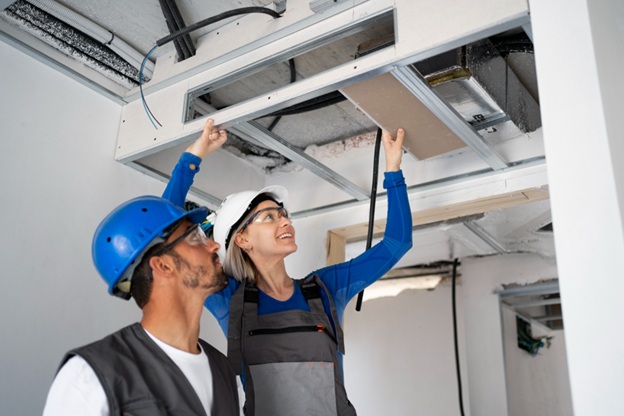
Ventilation moves fresh air through a home and removes excess moisture, while insulation slows heat transfer between indoor and outdoor spaces. Good ventilation and insulation keep a home comfortable, healthy, and energy efficient year-round. Together, these two systems control temperature, humidity, and air quality inside the home.
Many homeowners focus only on heating and cooling equipment. They overlook the role airflow and insulation play in how well that equipment performs.
Working with an experienced team like Allstar Construction can help homeowners identify weak points in their home’s building envelope. This article will help you understand the importance of ventilation and insulation.
Why Ventilation Matters
Ventilation brings fresh outdoor air inside and pushes stale indoor air out. This process removes moisture, odors, and indoor pollutants. Without it, homes can develop mold, mildew, and poor air quality.
Bathrooms, kitchens, and attics need proper ventilation the most. These areas generate the highest levels of moisture and heat. Exhaust fans and vents help control that buildup before it causes damage.
Why Insulation Matters
Insulation acts as a barrier against outdoor temperatures, keeping warm air inside in winter. In summer, it blocks heat from entering the home.
Without enough insulation, a home loses conditioned air through walls, attics, and floors. This forces heating and cooling systems to work harder. Over time, that extra strain raises energy costs and shortens equipment lifespan.
Common Areas That Lack Insulation
Attics, basements, and crawl spaces are frequent trouble spots. Older homes often have outdated insulation that has settled or degraded. Gaps around pipes, wiring, and ductwork also let air escape.
How Insulation and Ventilation Work Together
These two systems are connected, not separate. Good insulation without proper ventilation can trap moisture inside walls and attics. Good ventilation without enough insulation lets conditioned air escape too quickly.
A balanced approach protects the home from both energy loss and moisture damage. Builders and contractors typically assess both systems together rather than one at a time.
Insulation Upgrade vs. Ventilation Upgrade
Some homes need one upgrade more urgently than others. Here is a quick comparison:
- Insulation upgrade: Best for homes with high energy bills and noticeable temperature swings between rooms.
- Ventilation upgrade: Best for homes with musty odors, condensation on windows, or visible mold growth.
- Both upgrades: Recommended for older homes that have never been inspected for either system.
Signs Your Home Needs an Inspection
Certain warning signs point to insulation or ventilation problems. Ignoring them can lead to higher repair costs later.
- Uneven temperatures between rooms or floors
- Rising energy bills without a clear cause
- Condensation on windows or in the attic
- Musty smells in bathrooms, basements, or closets
- Ice dams form on the roof in winter
Steps to Take
Taking a few simple steps can help identify insulation and ventilation issues before they lead to costly damage or higher energy bills.
- Inspect the attic, basement, and crawl spaces for visible gaps or damage.
- Check insulation levels against current building recommendations for your climate zone.
- Test bathroom and kitchen exhaust fans to confirm they vent outdoors properly.
- Look for moisture stains, mold, or condensation in hidden areas.
- Schedule a professional energy audit to pinpoint weak spots.
- Request written estimates before approving any insulation or ventilation work.
Key Takeaways
- Insulation slows heat transfer and keeps indoor temperatures stable.
- Ventilation removes excess moisture and improves indoor air quality.
- Insulation and ventilation work best when addressed together, not separately.
- Attics, basements, and crawl spaces are common problem areas.
- Rising energy bills and musty odors often signal a deeper issue.
- A professional inspection can identify hidden gaps and weak points.
- Written estimates help homeowners compare upgrade options clearly.





