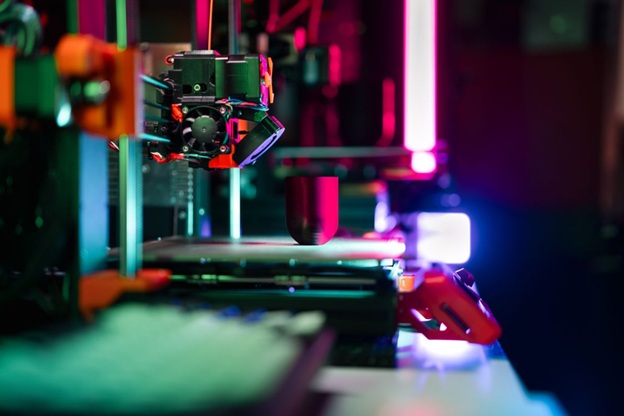
Manufacturing has significantly grown over the years, with technological breakthroughs contributing to how the products are designed. Among the significant developments out there, additive manufacturing has become prominent, where the process builds an object one layer at a time with the use of digital design files. See more about this technique when you click here.
They’re different from conventional methods that remove material through cutting. Instead, this kind of component creates a precision that minimizes waste. This is ideal for companies that are searching for faster development cycles where they can have the ability to create customized products faster. It addresses the demands by enabling engineers to transform their ideas into physical objects with efficiency.
There are different technologies involved, and the first one is called sintering. It’s where the materials are heated without putting them into a liquefied state so high-resolution objects can be made. A laser is used, and thermoplastic powder is utilized so that the particles are attached. Another use is melting through electron beams, while the third type is stereolithography, which uses ultraviolet lasers to create torque-resistant ceramic parts that can endure extreme temperatures.
Understanding the Fundamentals of Additive Manufacturing
The whole premise of additive manufacturing is to create a three-dimensional object by depositing each layer of the material until the final shape is achieved. It’s going to start with a digital model that’s made through CAD (https://www.techtarget.com/whatis/definition/CAD-computer-aided-design) software, and this is then cross-sectioned so the machine will have a guide during production.
Various technologies are able to support this method, where many might prefer a system that uses polymers, while others may work with metals. Each of these techniques can offer several benefits depending on the intended application.
Many might prefer this method because it can produce complex geometric shapes that may be difficult to achieve with the use of traditional fabrication methods. One can create lightweight lattice structures that have intricate details, and they can be made directly without additional assembly.
What Are the Benefits of Using AD?
Companies in various industries are now recognizing the advantages of additive manufacturing, where they can significantly reduce excess waste and only build what they need. Also, there’s rapid prototyping involved that can represent another valuable benefit.
Many product development teams can create a functional model and make changes before moving on to full-scale production. This can reduce their development costs and make sure that the products that they’re making are high-quality.
One can also customize and produce unique components that are tailored to the customers’ requirements without retooling. They can support specialized medical devices that are not often economically viable when using conventional methods.
Where Can These Materials Be Applicable?
Technologies like 3D printing can be important in an industry where every gram saved can translate to better fuel efficiency. Using advanced materials like high-performance polymers can create lightweight materials that are going to help maintain the structural integrity of the aircraft. Also, any complex parts that may have required multiple assemblies previously can now be made as a single unit.
In the healthcare sector, many medical devices like prosthetics are now made using this technology. They’re also applied to customized implants where the design can match the anatomy of the patient. It’s a high level of personalization that can enhance the outcomes for many patients.
Automotive manufacturing can mitigate supply chain disruptions in the automotive industry. It can offer agile options where the producers can reduce lead times by creating custom molds. It allows engineers to test their designs quickly, and they can create lightweight structures that can be sustainable over the long run.
Material Innovation Expanding Possibilities
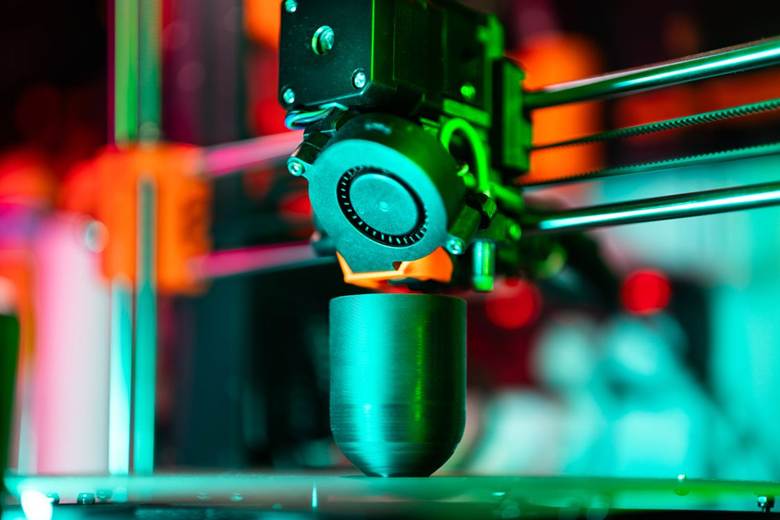
Metal powders are now being used, and they’re able to expand opportunities in various industries that require heat resistance. Alloys like the nickel-based ones, as well as stainless steel, are used for demanding applications. Advanced polymers are also able to improve a part’s mechanical properties, and they become capable of withstanding challenging operations.
One just has to get started with the right company. With norraam.se, the process can be relatively simple, especially for those who have no prior experience with 3D printing. These companies offer services for customers who already have a finished design, and they can just upload the CAD file to the platform and receive quotes. It’s then manufactured by the best providers in the industry, and the components will be delivered directly to you.
For individuals who may need help with creating 3D models, the engineering team can definitely assist them with this. They just have to provide the concepts that they have in mind, as well as their product requirements, so they can bring their ideas to life.
Reverse engineering projects are also supported, where many customers may already have the physical part but don’t have the original files for the design. The company can scan and digitally recreate these, so replacements on demand can be available. It’s useful for discontinued spare parts, and you just have to call them to know more.