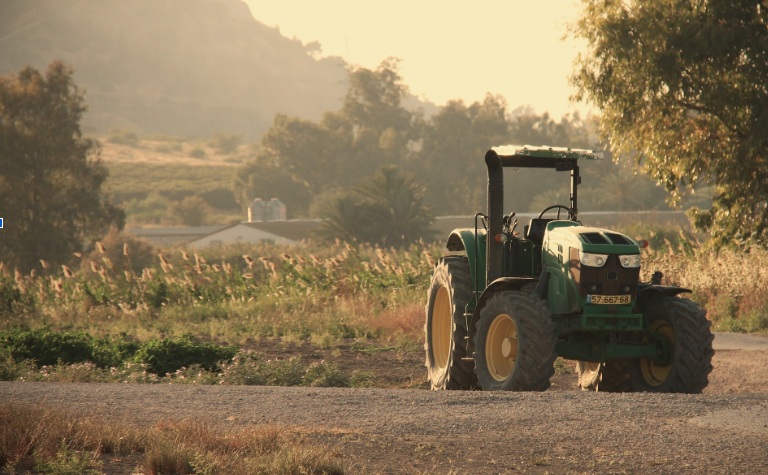
The axle is one of the most critical components in the drivetrain of construction equipment. It transfers power from the transmission to the wheels while supporting heavy loads, maintaining traction, and ensuring machine stability across uneven terrain. Whether the equipment is a backhoe loader, telehandler, wheel loader, or forklift, a properly functioning axle is essential for reliable operation. Even minor issues within the axle assembly can affect productivity and lead to costly repairs if left unaddressed.
Accurate axle identification is equally important when maintenance or repairs are required. Using resources that organize Carraro axle components by axle model and application makes it easier to locate compatible replacement parts and reduces the likelihood of installation errors caused by incorrect fitment.
The Role of the Axle in Drivetrain Performance
The axle, along with the transmission, driveshaft, differential, and brakes, allows the machine to move and provides power to its various mechanisms. Such types of vehicles as backhoe loaders, telehandlers, and wheel loaders are subject to high loads. They operate mostly on uneven surfaces and carry a considerable load. This is why regular maintenance of the axle is critical for the proper functioning of the drivetrain and reducing the load on related components.
Equipment Commonly Using Carraro Axles
Carraro axle drives are used in various types of equipment. These include construction, farming, and forklift trucks. Such axle assemblies are installed on backhoe loaders, telehandlers, wheel loaders, compact loaders, and forklifts. They can also be found on tractors and other machines.
Every manufacturer has its own design, and a lot can vary in different models and years of equipment. That is why proper axle identification becomes so important because even the most similar ones can have significant differences.
Why Accurate Axle Identification Matters
Locate the Identification Plate
Most axle assemblies include an identification plate or stamped serial number that contains important production information. This data allows technicians to determine the correct axle model and identify compatible replacement components.
Recording this information before beginning repairs helps eliminate uncertainty and reduces the risk of ordering incorrect parts.
Verify Part Numbers Before Ordering
Whenever possible, compare the replacement component with the original OEM part number. This provides additional confirmation that the selected part matches the existing axle assembly.
Even within similar axle families, internal gears, bearings, seals, and differential components may differ. Verifying part numbers helps avoid unnecessary delays during maintenance.
Common Signs of Axle Wear
The axle is a highly durable component, but it still wears out over time. Most signs indicate failure only after damage has already occurred. That is why it is so important to watch for unusual noises or oil leaks from the differential. If the vehicle pulls to one side or has poor wheel response, it is better to check everything before continuing to use it.
If you do not address the problem in time, you may face more expensive repairs related to the gears or the bearings. In addition, worn axles can put extra stress on the frame and other components. Paying regular maintenance and inspections will reduce the risk of an expensive failure.
Components That Commonly Require Replacement
Regular servicing may require replacement of several axle components during the equipment’s operating life. Frequently replaced parts include:
- Bearings
- Oil seals
- Differential gears
- Crown wheels
- Pinion gears
- Axle shafts
- Planetary gears
- Bushings
- Hub components
- Brake components
- Gaskets
- Fasteners
- Housing seals
- Lubrication components
Replacing worn parts before complete failure helps maintain drivetrain reliability and prevents additional damage to surrounding assemblies.
Preventive Maintenance Supports Longer Service Life
Routine maintenance is the most effective way to extend axle service life. Regular inspection of lubricant levels, seals, bearings, wheel hubs, and differential housings helps identify developing problems before they become severe.
Scheduled oil changes using the recommended lubricants also reduce internal wear by maintaining proper gear protection. Monitoring operating conditions and addressing small issues promptly contributes to improved equipment reliability.
Correct Fitment Reduces Repair Delays
Ordering replacement parts without confirming axle specifications can result in incorrect fitment and unnecessary downtime. Similar machines may use different axle assemblies depending on their production configuration.
Using axle identification numbers together with part numbers allows technicians to select compatible components more confidently. This improves repair efficiency and reduces the likelihood of repeated disassembly caused by incompatible parts.
Conclusion
The axle is a critical component of the drivetrain, and its proper operation directly impacts the performance of the entire machine. Preventive maintenance and timely inspections help prolong the life of the equipment and reduce the risk of costly repairs. Axles are highly durable, but their parts may fail due to wear and tear. That is why it is vital to pay attention to the early signs of failure.
Following the recommendations for axle maintenance and being able to quickly locate the right parts for your equipment ensures a reliable and long-lasting experience. When looking for an axle replacement, it is essential to pay attention to the model and specification of parts to ensure a proper fit.