What happens after valuable resources are found beneath the earth? Mining turns hidden materials into useful resources for homes, roads, machines, and many industries.
The process begins with careful planning and locating deposits that can be reached safely. Workers then remove rock and soil to reach the valuable material below.
The material must be separated, cleaned, and prepared for later use. Different resources require different steps before they become finished products.
This guide explains each stage clearly, so readers can understand how raw resources move from extraction to production. Keep on reading!
Discovering Hidden Resources
Finding minerals starts with careful searching. Experts use maps, satellite imagery, and field tests to identify likely spots. They look for clues on the surface, like unusual rocks or plants.
Sometimes, they use machines to measure signals from underground. These signals can show where minerals might be hiding.
Once a promising spot is found, teams collect samples. They test these samples in labs to check what is underground.
If the results are good, the area becomes a possible mining site. Careful discovery saves time and money before digging begins.
Planning and Preparing the Site
Before mining starts, a detailed plan is needed. Workers study the land to assess how mining might affect the environment. They check for nearby animals, plants, and water.
Engineers draw up maps and safety plans for the site. The plan also looks at roads and routes for moving heavy machinery to the area. Local people are often asked what they think about the project.
Permits and laws must be followed before any digging starts. Good planning helps prevent accidents and protects the environment.
Preparation ensures the mine works well from the start. Every step is checked before the first shovel touches the ground.
Breaking Ground: The Extraction Process
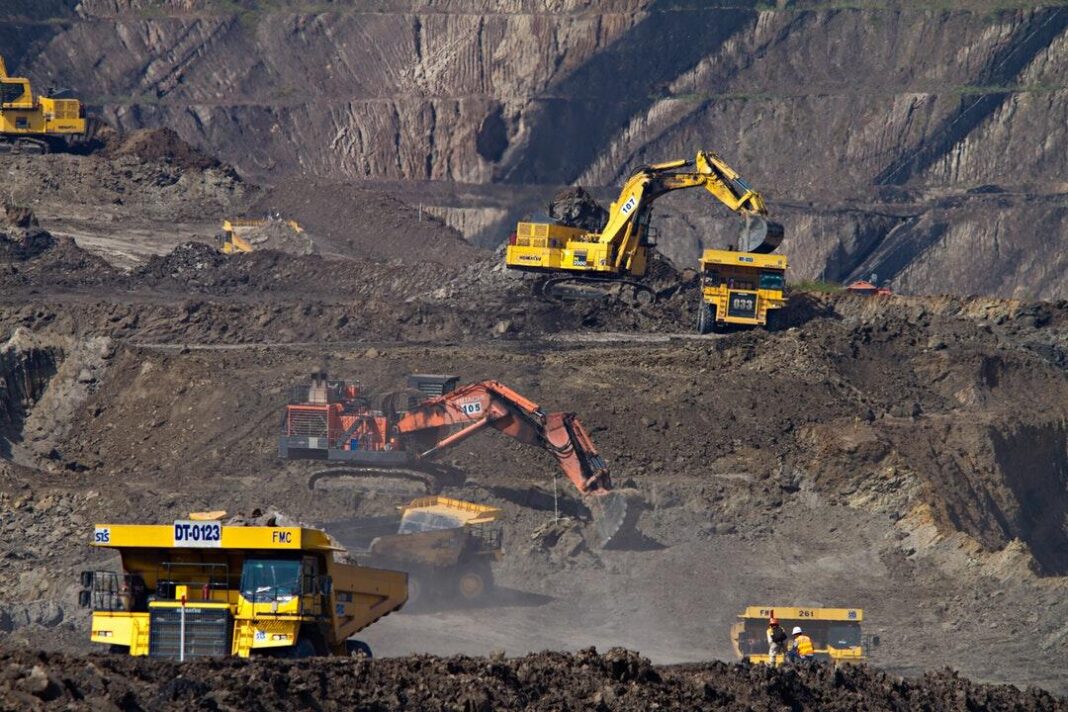
Once all is ready, extraction begins. This means removing the valuable rocks or minerals from the earth. There are two main ways to do this: digging open pits or making deep tunnels.
The method depends on where the minerals are and how deep they lie. Large machines or explosives may be used to break up the rock. Workers carefully collect the broken pieces.
Safety rules are followed at all times to keep everyone protected. The first stage often brings out a lot of rock and dirt.
Only a small amount contains the precious minerals. The next step is to separate what is useful from what is not.
Crushing and Grinding the Ore
After extraction, the rock is taken to a special area for processing. The first step is crushing the large pieces into smaller ones. Big machines called crushers smash the rocks.
Next, grinders turn the small pieces into a fine powder. This powder makes it easier to extract the minerals. Water is sometimes added to help with grinding.
The process is noisy and dusty, so workers wear protective gear. Everything is done to get the most out of each rock.
Once crushed, the ore is ready for the next stage. It moves along belts to the next part of the process.
Separating the Valuable Minerals
The crushed ore contains both useful minerals and waste. Special methods help separate them. Sometimes, water is used to wash away lighter materials.
In other cases, chemicals help attract the valuable parts. Magnets are used when a magnetic field can pull the minerals.
Clean water is important for this step. Good separation means less waste and more useful product.
The leftover material is safely stored away. This step helps protect the environment by reducing pollution. Efficient separation is a key part of modern mining.
Mineral Processing and Upgrading
After separation, the minerals need more work. They are cleaned and made purer in this stage. Each mineral needs a specific treatment.
Heat, pressure, and chemicals are often used to enhance the minerals. This step is sometimes called upgrading. It helps increase the value of the minerals before they leave the mine.
The latest mineral processing technology has made this stage faster and safer for workers. Cleaner minerals mean less work for factories later.
Upgrading also makes mining more profitable. Once ready, the minerals move on to the next phase.
Transporting the Refined Resources
Once minerals are processed, they must be moved. Trucks, trains, and ships carry them to factories. Sometimes, long pipes called pipelines move liquid minerals.
Careful packing ensures nothing is lost on the way. The journey can be very long, crossing countries or even oceans. Safe transport keeps people and nature safe from spills.
Companies track each load to keep it from getting lost. Fast transport means factories get what they need on time. This step connects mines to the world’s industries.
Industrial Refining and Manufacturing
At the factory, the minerals are refined even more. Special machines heat, melt, or mix the minerals to make new materials. Metals are shaped into sheets, wires, or machine parts.
Other minerals are mixed with chemicals to make things like glass or paint. Skilled workers and engineers watch every step. Quality checks make sure the products are strong and safe.
Factories run day and night to meet demand. Finished materials are packed and shipped. This is the step where raw minerals become useful products for everyone.
From Factory Floor to Everyday Life
After manufacturing, the new products travel to stores and companies. Cars, computers, and tools are just some of the things made from mined minerals. Builders use metals for bridges and buildings.
Artists use minerals for paints and different jewelry. Even batteries and phones need special minerals from mines. Each item goes through many hands before it reaches the customer.
People may not see the mining process, but it touches almost every part of modern life. Mining is hidden, but its results are everywhere. This final step completes the path from the earth to the everyday.
The Continuous Cycle of Mining and Progress
Digging up rocks is only one aspect of the mining process. From locating resources to producing commonplace items, the process is meticulous.
Value from the earth is brought to people’s lives through each stage of the process. Improved technology is making mining safer and more efficient, a positive development. This journey supports numerous industries worldwide.
Did you like this guide? Great! Please browse our website for more!