
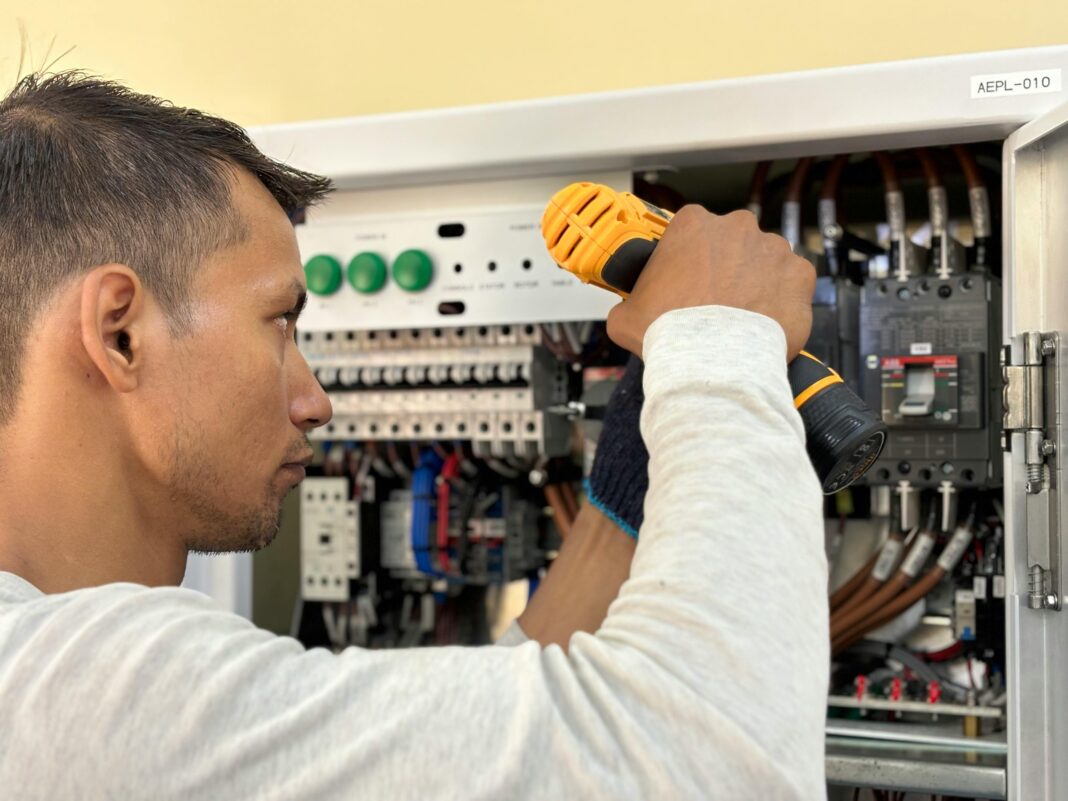
Building a new home gives you the chance to get the electrical setup right from the start. Many homeowners focus on layout and finishes, but the home electrical system plays just as big a role in comfort, safety, and long-term costs.
Modern homes use more power than ever. Between appliances, smart devices, and charging needs, electrical demands keep growing. Planning the right electrical upgrades early helps avoid problems like overloaded circuits, flickering lights, and expensive fixes later on.
Install a Higher-Capacity Electrical Panel
A strong electrical panel acts as the control center for your entire home. It manages how power flows to each circuit and helps prevent overloads.
When a Panel Upgrade Is Needed
Many new builds need more capacity than older homes ever did. A larger electrical panel supports:
- Multiple appliances running at the same time
- Heating and cooling systems
- Home offices and entertainment setups
Without enough capacity, the circuit breaker may trip often, which can interrupt daily use and point to a strained system.
Planning for Future Expansion
It makes sense to plan beyond your current needs. You may add new appliances, install more smart devices, or bring in equipment that requires extra power.
Leaving space in the panel for additional circuits allows you to expand without replacing the entire unit. This also supports upgrades like charging stations for electric vehicles, which require dedicated power.
Use Modern Wiring That Meets Current Electrical Code
Reliable wiring supports both safety and long-term performance, so it needs to meet current standards from the start.
Why Outdated Wiring Is a Risk
Old or low-quality wiring can lead to serious problems over time. It may not handle modern electrical demands and can increase the risk of electrical fires.
Some common warning signs include flickering lights or outlets that stop working without a clear reason. In many cases, these issues start small but point to deeper problems that require expert evaluation. Homeowners who are unsure where to begin often look for guidance through the websites of trusted service providers such as firstcalljewel.com, where they can learn more about identifying and addressing wiring concerns before they become costly repairs.
Using updated materials and proper installation methods helps prevent these issues and keeps your electrical systems running safely.
Add Whole-Home Surge Protection
Power spikes can happen without warning, and even a short surge can damage expensive equipment. A whole-home setup adds a strong layer of protection.
Installing a surge protector at the panel level helps protect the entire home. Unlike plug-in options, whole-home systems stop excess voltage before it reaches your devices. This helps protect everything from kitchen appliances to smart devices.
Install GFCI Outlets in Key Areas
Certain areas of the home face a higher risk of shock, especially where water is present. GFCI outlets are designed to cut power quickly when they detect a fault.
Where GFCI Outlets Should Be Used
These outlets should be placed in areas such as:
- Kitchens
- Bathrooms
- Garages
- Outdoor spaces
Adding GFCI outlets in these locations helps meet safety standards and reduces the chance of injury. It is a simple upgrade that improves everyday safety.
Upgrade to Energy-Efficient Lighting Systems
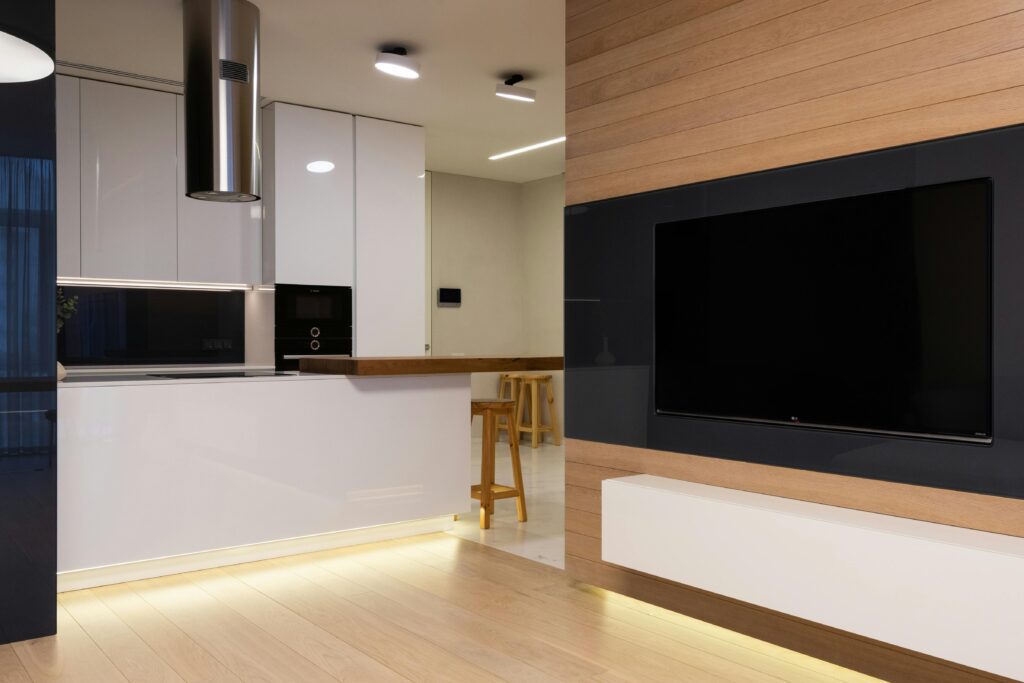
Benefits of LED and Smart Lighting
Modern lighting options offer better performance with less energy. LED fixtures last longer than traditional bulbs and use less power.
Smart lighting also gives you more control. You can adjust brightness, set schedules, and manage lights through your phone. These features improve energy efficiency while making daily routines easier.
Add Smart Lighting and Control Systems
Lighting control has gone beyond simple switches. Many homeowners now want systems that respond to their routines and preferences.
You can turn lights on or off remotely, set timers, or adjust settings based on your schedule. This works well for both convenience and security, especially when you are away from home. It also connects easily with other smart devices for a more connected living space.
Include Dedicated Circuits for High-Power Appliances
High-power appliances need steady and reliable electricity, which is why they should not share circuits with other devices.
Large appliances such as ovens, washing machines, and HVAC systems draw more power than standard outlets can handle. When too many devices share one circuit, the circuit breaker may trip or the wiring may overheat.
Adding dedicated circuits ensures each appliance gets the power it needs without affecting the rest of the system.
Install EV Charging Infrastructure Early
Planning for electric vehicles during construction makes the process smoother and more cost-effective.
Why Plan for EV Charging in New Builds
Running the proper wiring and setting up space for a charger during the build avoids major changes later.
It also allows you to choose the right setup based on your future needs. Even if you do not own an electric vehicle yet, preparing for one keeps your home ready for changes in transportation.
Add Extra Outlets and Strategic Placement
Outlet placement affects how easy it is to use your space, and poor planning often leads to clutter and workarounds.
Adding more outlets in key areas improves convenience. This includes placing them near kitchen counters, workspaces, and entertainment areas. Outdoor outlets also help with yard work and lighting.
Good placement reduces strain on your electrical system and makes daily tasks more efficient.
Work With Professional Electricians for Proper Installation
Even the best upgrades depend on proper installation, so working with skilled professionals helps everything function as planned.
They can recommend the right setup based on your home’s size and layout. This includes selecting the right electrical panel, planning circuits, and checking that all safety standards are met.
Working with experienced electricians reduces the chance of mistakes and helps your electrical systems perform well over time.
Conclusion
A new build gives you the chance to create an electrical setup that fits how you live today and how your needs may grow. From panel upgrades to smart lighting and surge protection, each upgrade supports a safer and more reliable home.
Planning these electrical upgrades early helps avoid common problems and keeps your system ready for the future.




