
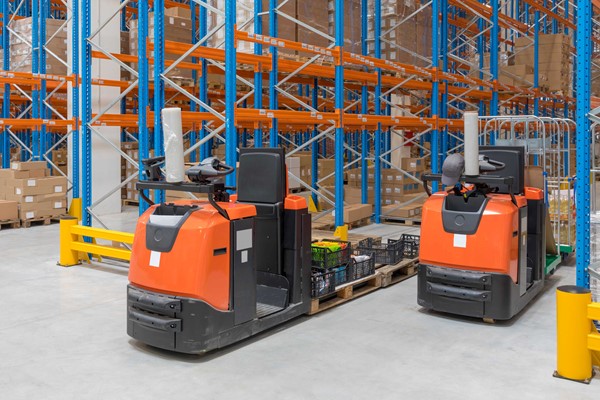

India’s warehousing and logistics sector has undergone rapid evolution over the past decade, propelled by the expansion of organised retail, the exponential rise of e-commerce, manufacturing growth, and large-scale infrastructure development. As supply chains grow more complex and time-sensitive, operational efficiency within warehouses has shifted from being a functional requirement to a strategic imperative. At the heart of this transformation lies material handling equipment, particularly forklifts, which are witnessing a decisive transition from conventional fuel-powered machines to cleaner, technology-driven solutions.
This shift is underpinned by the strong growth trajectory of the forklift industry itself. According to a recent report by Maximize Market Research (MMR), the Indian forklift trucks market was valued at USD 6.77 billion in 2023 and is expected to grow at a robust CAGR of 13 percent between 2024 and 2030, reaching nearly USD 15.93 billion by the end of the decade. This expansion reflects the increasing mechanisation of warehouses and the growing emphasis on efficiency, safety, and sustainability across logistics operations.
A key driver behind this growth is the rapid expansion of e-commerce and the emergence of digital procurement platforms such as Moglix, alongside rising adoption of automation, artificial intelligence (AI), and machine learning (ML) in warehousing. Against this backdrop, the transition from petrol and diesel forklifts to lithium-ion powered electric forklifts marks a significant milestone – enhancing productivity while aligning warehouse operations with India’s long-term net-zero ambitions.
Moving from Fuel to Electric
Traditionally, forklifts deployed across Indian warehouses and industrial facilities were powered by diesel or petrol, primarily due to their perceived durability and ability to handle heavy-duty operations. While these internal combustion forklifts offered high torque and long operating hours, they also brought inherent limitations. High fuel costs, frequent maintenance, excessive noise, and harmful emissions made them less suitable for modern warehousing environments, particularly as facilities moved indoors and closer to urban centres.
Diesel trucks typically cost less to buy, but there is a catch. While electric forklift trucks have a higher upfront cost, they can have a lower total cost of ownership. This means they may be less expensive to operate over their entire lifespan. They can help warehouse operations run more smoothly, boosting productivity and output. Additionally, charging batteries is often cheaper than refuelling with diesel.
Electric forklifts, thus, have emerged as a compelling alternative, especially for enclosed, high-density warehouses. Compared to diesel models, electric forklifts generate no tailpipe emissions, operate with significantly lower noise levels, and offer smoother, more precise handling, attributes that are critical in contemporary warehouse design. They are also inherently more energy-efficient, converting a higher proportion of input energy into productive output. As automation levels increased, racking systems became denser, and worker safety norms tightened, electric forklifts proved better aligned with the evolving operational demands of the sector.
Lithium-Ion Forklifts: A Technological Leap Forward
Within the electric forklift segment, battery technology has been a decisive factor influencing performance and adoption. For years, lead-acid batteries were the industry standard, but they came with notable operational challenges. Long charging cycles, routine maintenance, battery swapping, and the need for dedicated charging rooms significantly reduced equipment uptime and increased labour and infrastructure costs.
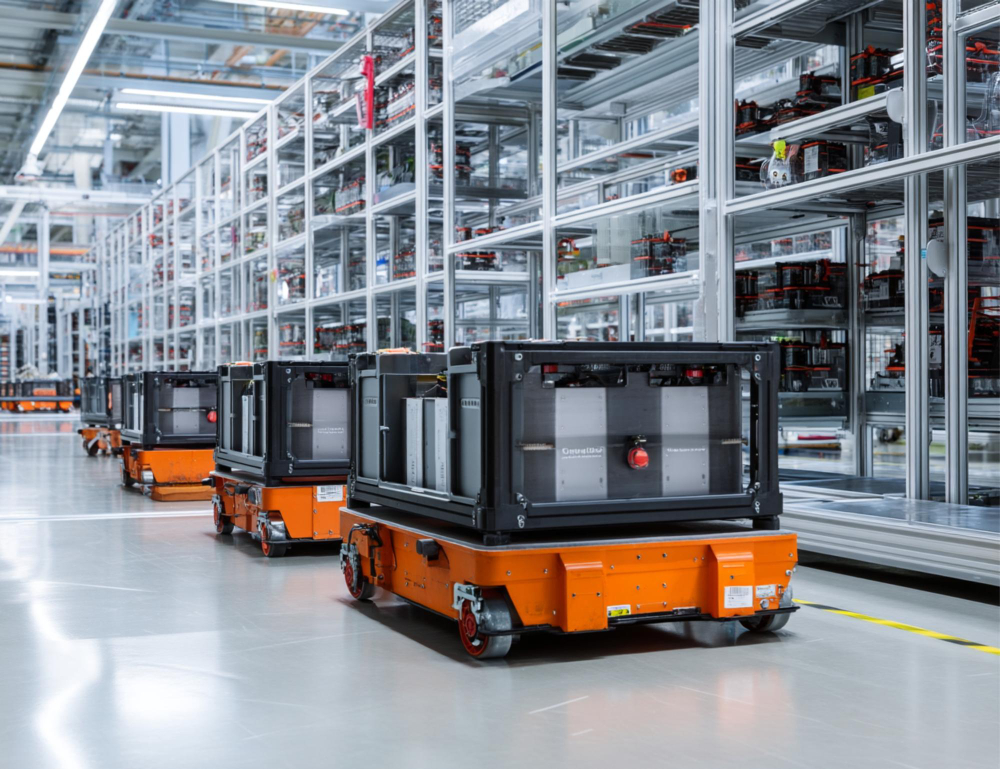
Lithium-ion technology represents a transformative leap over lead-acid systems. Lithium-ion forklifts offer rapid charging, often achieving full charge within one to two hours, and support opportunity charging during short breaks without compromising battery health. This eliminates the need for battery swapping and dedicated charging zones, allowing forklifts to operate seamlessly across multiple shifts with minimal interruption.
Additionally, lithium-ion batteries deliver a longer cycle life, consistent power output, and virtually maintenance-free operation. Unlike lead-acid batteries, they do not suffer from performance degradation due to partial charging, making them particularly well-suited for high-throughput, fast-paced warehouse environments. The result is higher equipment availability, improved productivity, and greater predictability in operating costs. Hence, a lithium-ion forklift delivers uniform power from full charge to depletion, ensuring the final lift of a shift is performed with the same efficiency as the first.
Clean Energy Solutions for High-Performance Warehouses
Sustainability has become a central pillar of warehouse planning and operations, as occupiers and logistics providers increasingly commit to ESG goals and carbon reduction targets. Lithium-ion forklifts contribute meaningfully to these objectives by producing zero emissions during operation. This stands in sharp contrast to diesel and petrol forklifts, which emit carbon dioxide, nitrogen oxides, and particulate matter—posing risks to both worker health and the environment.
Beyond emissions, lithium-ion forklifts support broader energy-efficiency initiatives. When integrated with renewable energy sources such as rooftop solar installations, warehouses can substantially reduce their overall carbon footprint. The elimination of fuel storage, oil changes, and exhaust systems further lowers environmental risk while enhancing workplace safety and air quality. From a regulatory standpoint, zero-emission equipment also helps operators future-proof facilities against tightening environmental norms and increasingly stringent sustainability reporting requirements, particularly in Grade A industrial parks and multinational supply chains.
The growing adoption of lithium-ion forklifts reflects a broader shift within the warehousing sector—from cost-centric operations to performance-driven, sustainable logistics ecosystems. These forklifts enable higher throughput, improved space utilisation, and enhanced labour productivity, all of which are critical as warehouses scale in size and operational complexity.
The Way Forward
The transition from diesel to lithium-ion forklifts represents more than a technological upgrade; it signals a fundamental change in how warehouses operate, scale, and align with sustainability goals. By delivering zero emissions, superior uptime, and enhanced operational efficiency, lithium-ion forklifts are redefining material handling standards in India’s logistics landscape. As the sector moves toward smarter, greener, and more resilient supply chains, lithium-ion technology will remain a critical enabler of sustainable warehousing growth.
About Author
The author is an entrepreneur and industrial innovator, known for building multiple purpose-driven brands across luxury lifestyle and material handling industries. As the Founder of TOLE and ATMOS (Material Movement Technologies), and Co-Founder of BRODE Electric Forklifts and EzyRolls, he brings a rare blend of design thinking, engineering insight, and strategic execution to every venture. With a background in mechanical engineering and business studies from UCLA, Faraz focuses on building future-ready brands that combine performance, precision, and storytelling.
With over eight years of experience in industrial automation, manufacturing systems, and consumer brand development, Faraz is committed to strengthening India’s warehousing and logistics ecosystem. Through ATMOS and BRODE, he is driving innovation in electric forklifts and smart material handling solutions tailored for Indian conditions. His work reflects a larger mission — to build scalable, sustainable, and globally competitive Indian brands that redefine industry standards.






