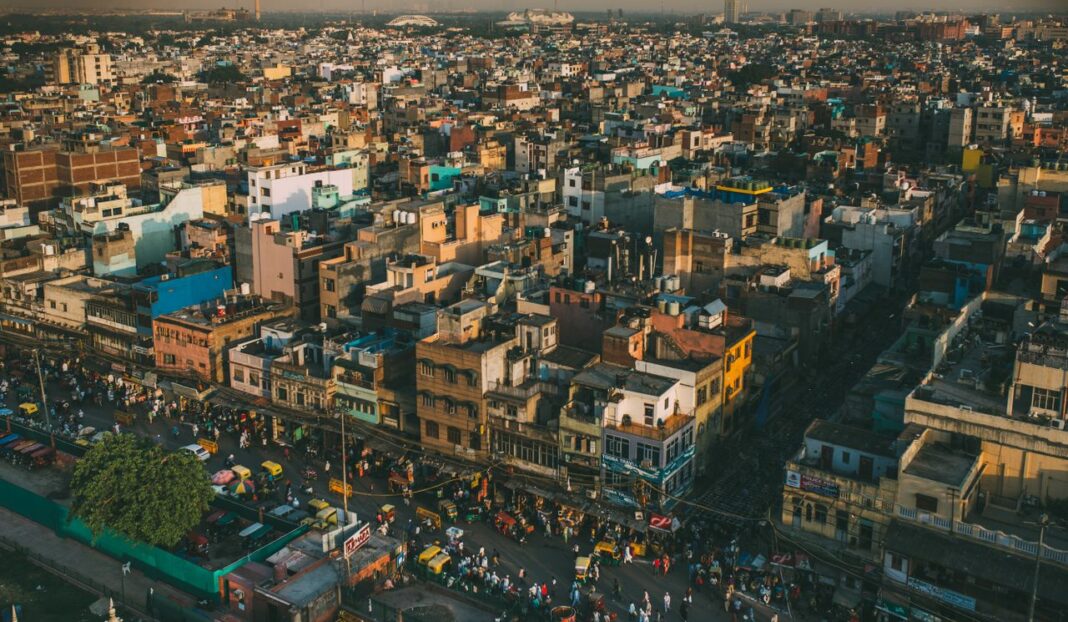
Delhi’s urban development strategy is set for a major shift with the unveiling of the Delhi Master Plan 2047 (MPD-2047), which outlines a framework for housing, redevelopment, transport-oriented growth, commercial development, infrastructure and expansion into peripheral areas.
Union Housing and Urban Affairs Minister Manohar Lal unveiled the Master Plan on August 20, 2026. The plan targets the development of around 40 lakh new affordable housing units while providing a broader framework for managing Delhi’s growth over the coming decades.
A major focus of MPD-2047 is the redevelopment of existing built-up areas. Instead of relying only on expansion, the plan proposes higher-density development in suitable brownfield areas, particularly around public transport corridors. Transit-Oriented Development (TOD), mixed-use development and infrastructure augmentation are expected to play a larger role in these locations.
The approach is intended to make better use of land that is already developed while supporting access to public transport. Areas around major transport corridors can accommodate a mix of residential, commercial and other uses, reducing the need for long-distance travel and supporting more compact urban development.
Land Pooling and Peripheral Development
The Master Plan also addresses Delhi’s future expansion through land pooling and planned development of peripheral areas. Greenfield locations are expected to be developed with connected road networks and supporting infrastructure.
Land pooling can allow fragmented parcels to be brought together for planned development. This approach can support the creation of residential areas along with roads, public facilities and other infrastructure required for expanding urban settlements.
The housing target of around 40 lakh units is one of the most significant elements of MPD-2047. The proposed expansion is intended to address future housing demand while supporting affordable housing requirements across the capital.
Redevelopment and Commercial Growth
MPD-2047 also places emphasis on redevelopment of older and underutilised areas. Existing neighbourhoods can see changes in land use, infrastructure capacity and development patterns as the city accommodates future population and economic activity.
Commercial redevelopment is another component of the plan. Delhi’s established business districts and redevelopment areas could see changes in the way commercial spaces are planned and integrated with residential and transport infrastructure.
The plan also covers industrial development, heritage conservation and environmental restoration. These areas are intended to be incorporated into Delhi’s broader urban planning framework rather than treated separately from residential and commercial growth.
Transport and 24×7 City Framework
The Master Plan aims to support a city that can function across different hours of the day, with planning provisions for commercial activity, mobility and supporting infrastructure. Public transport and connectivity are central to the proposed development approach.
The combination of TOD, mixed-use development and improved road connectivity could influence where future residential and commercial projects are located.
For developers, infrastructure providers and real estate stakeholders, MPD-2047 could create opportunities in redevelopment zones as well as planned peripheral areas. The implementation of the plan, however, will determine how quickly its housing, infrastructure and land development objectives translate into projects on the ground.
Overall, Delhi Master Plan 2047 provides a long-term framework for accommodating housing demand, redeveloping existing areas and guiding future expansion. With a target of around 40 lakh homes and greater emphasis on transport-linked development and land pooling, the plan is expected to influence Delhi’s real estate and infrastructure landscape over the coming years.