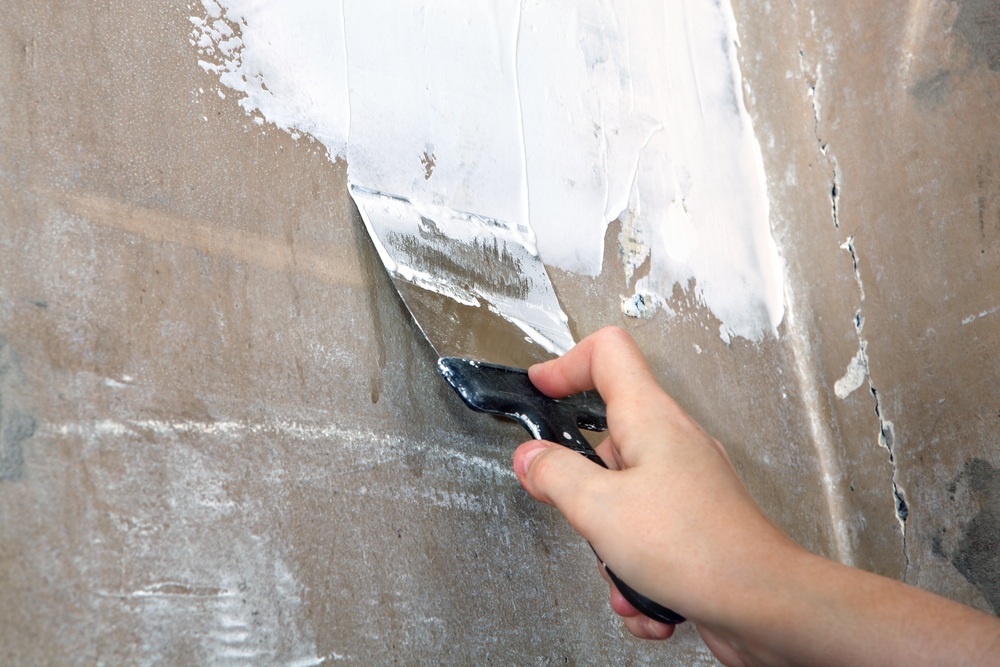
Acrylic-based putty is a ready-to-use or powder-based wall finishing material formulated using acrylic binders, fine fillers, and performance-enhancing additives. Unlike traditional cement-based putties, acrylic putty is water-based and flexible, offering improved adhesion and resistance to cracking.
Acrylic-based putty has become an essential material in modern construction and finishing systems, particularly for wall preparation and surface enhancement. As architectural expectations continue to rise, demanding smooth finishes, durability, and long-term performance – this water-based putty solution offers a reliable and efficient answer. It is widely used on both interior and exterior surfaces to improve paint adhesion, fill minor imperfections, and enhance the overall aesthetics of buildings.
Composition and Material Characteristics
The performance of acrylic-based putty depends on its carefully engineered composition. The main components include:
- Acrylic Polymers: These act as the primary binder, providing flexibility, adhesion, and water resistance.
- Fine Mineral Fillers: Materials such as calcium carbonate or silica ensure a smooth finish and improve surface leveling.
- Additives: These include dispersants, anti-foaming agents, preservatives, and rheology modifiers that enhance workability and durability.
- Water (in ready-mix variants): Acts as a carrier medium and makes the product easy to apply.
This formulation results in a material that is easy to spread, quick-drying, and resistant to environmental stresses.
Key Properties of Acrylic-Based Putty
1. Excellent Adhesion
Acrylic-based putty bonds strongly to a variety of substrates, reducing the risk of peeling or flaking paint.
2. Flexibility
Unlike rigid cement-based putties, acrylic putty can accommodate minor substrate movements without cracking.
3. Smooth Finish
It creates a uniform and refined surface, enhancing the final appearance of paint.
4. Water Resistance
Its polymer composition offers resistance to moisture, making it suitable for damp conditions.
5. Low Shrinkage
Acrylic putty minimizes shrinkage during drying, preventing surface defects.
6. Ease of Application
It is lightweight and easy to apply using basic tools, reducing labor effort and time.
Applications in Construction
Acrylic-based putty is widely used across various construction and renovation projects. Its versatility makes it suitable for multiple applications:
1. Wall Surface Preparation
It fills minor cracks, dents, and surface irregularities, creating a uniform base for painting.
2. Ceiling Finishing
Used on ceilings to achieve a smooth and consistent appearance.
3. Repair and Maintenance
Ideal for repairing damaged plaster surfaces and improving old walls.
4. Decorative Finishes
Provides a refined base for premium paints and decorative coatings.
5. Commercial and Industrial Buildings
Used in offices, retail spaces, hospitals, and factories where surface quality and durability are critical.
Advantages Over Traditional Putty
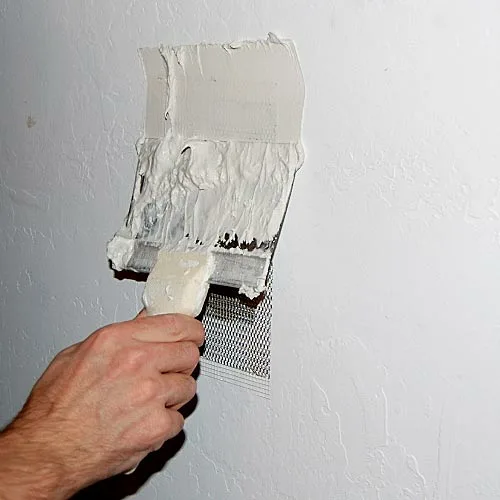
Acrylic-based putty offers several advantages compared to conventional cement-based putty:
1. Superior Finish Quality
It delivers a smoother and more refined surface, enhancing paint aesthetics.
2. Faster Drying Time
Reduces project timelines and allows quicker painting.
3. Better Crack Resistance
Its flexibility prevents the formation of hairline cracks.
4. Moisture Resistance
Performs well in humid environments without deterioration.
5. Ease of Use
Requires less effort in mixing and application, improving productivity.
6. Eco-Friendly Nature
Being water-based, it has lower VOC emissions and is safer for indoor use.
Types of Acrylic-Based Putty
1. Ready-Mix Acrylic Putty
Ready-mix acrylic putty is a pre-prepared formulation that can be used directly without any on-site mixing, making it highly convenient and time-saving. It offers a smooth, consistent texture that ensures uniform application and a high-quality surface finish. This type is particularly beneficial for projects requiring fast execution and minimal labor effort, as it eliminates mixing errors and reduces preparation time. It is widely used in residential and commercial interiors where finish quality and efficiency are critical, though it may be slightly more expensive and requires proper storage after opening.
2. Powder-Based Acrylic Putty
Powder-based acrylic putty is supplied in dry form and needs to be mixed with water before application, offering flexibility in achieving the desired consistency. It is cost-effective and suitable for large-scale construction projects where bulk usage is required. This type has a longer shelf life and is easier to transport and store compared to ready-mix variants. However, proper mixing is essential to avoid lumps and ensure consistent performance, making it slightly more labor-intensive but still a practical choice for both interior and exterior wall preparation.
3. Interior Acrylic Putty
Interior acrylic putty is specifically formulated for indoor surfaces, focusing on achieving a smooth, refined, and decorative finish. It has fine particles that effectively fill minor cracks and imperfections, creating an ideal base for paint application. This type enhances paint adhesion and contributes to a long-lasting, aesthetically pleasing surface. Being water-based and low in VOCs, it is safe for indoor environments such as homes, offices, and commercial spaces, but it is not suitable for areas exposed to moisture or harsh weather conditions.
4. Exterior Acrylic Putty
Exterior acrylic putty is designed to withstand environmental challenges such as rain, humidity, UV exposure, and temperature fluctuations. It provides strong adhesion and superior water resistance, protecting surfaces from moisture-related damage and improving the durability of exterior paint systems. Its flexible composition helps prevent cracking due to thermal expansion and contraction, making it ideal for building facades, balconies, and other outdoor surfaces. Although it may come at a higher cost, its long-term performance and reduced maintenance needs make it a valuable investment for exterior applications.
Factors to Consider When Choosing the Right Acrylic-Based Putty
- Surface Location: Interior or exterior application
- Weather Exposure: Moisture, sunlight, temperature changes
- Surface Type: Concrete, plaster, gypsum, or old painted walls
- Finish Requirement: Smooth premium vs standard finish
- Project Size: Small vs large-scale application
- Budget: Cost vs long-term value
- Ease of Application: Ready-mix vs powder-based handling
- Drying Time: Fast-track vs flexible timelines
- Durability Needs: Resistance to cracks, moisture, and wear
Step-by-Step Application Process
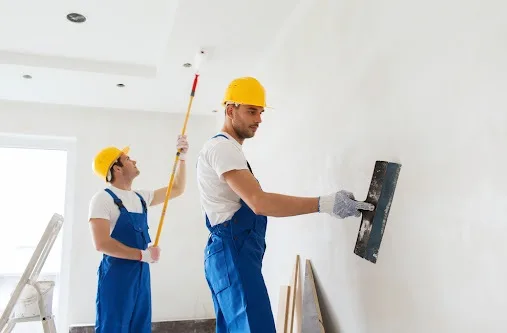
Proper application is essential to achieve the best results with acrylic-based putty. Below is a general application guide:
1. Surface Preparation
- Clean the surface to remove dust, grease, and loose particles
- Ensure the substrate is dry and structurally sound
- Repair major cracks or damages before applying putty
2. Mixing (for powder-based putty)
- Add the required amount of water
- Mix thoroughly to achieve a smooth, lump-free consistency
3. Application
- Use a putty knife or trowel
- Apply a thin, even layer (typically 1–2 mm thick)
- Allow the first coat to dry before applying additional layers
4. Sanding
- Lightly sand the surface after drying
- Remove dust before painting
5. Priming and Painting
- Apply a suitable primer
- Follow with the desired paint system
Apllications may vary according to project requirements
Best Practices for Optimal Performance
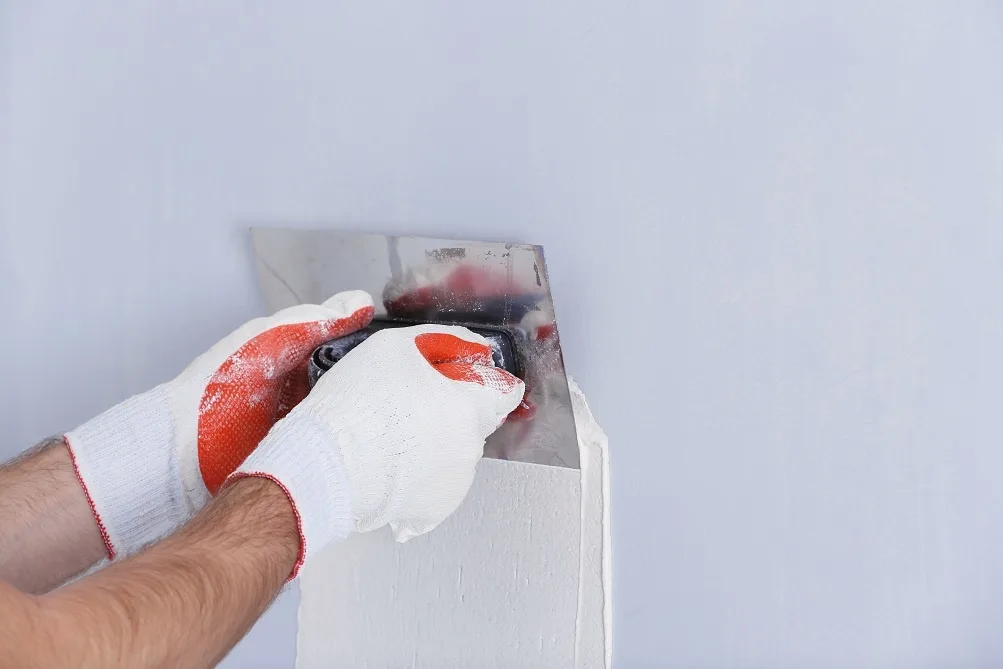
To ensure long-lasting results, consider the following best practices:
- Avoid applying putty on excessively wet or damp surfaces
- Maintain recommended thickness to prevent cracking
- Allow adequate drying time between coats
- Use compatible primers and paints
- Store materials in a cool, dry place
Future Trends and Innovations
The construction industry continues to evolve, and acrylic-based putty is also undergoing advancements:
- Improved Formulations: Enhanced durability and performance
- Smart Additives: Better resistance to mold, stains, and environmental damage
- Sustainable Variants: Increased use of eco-friendly raw materials
- Integration with Advanced Coating Systems: Compatibility with high-performance paints
These innovations are expected to further expand the use of acrylic putty in both residential and commercial construction.
Conclusion
Acrylic-based putty is a modern, high-performance solution for wall finishing that combines ease of application, durability, and superior aesthetics. Its flexibility, moisture resistance, and strong adhesion make it a preferred choice for both interior and exterior applications. As construction standards continue to rise, the importance of high-quality surface preparation cannot be overstated. Acrylic-based putty not only enhances the visual appeal of surfaces but also plays a crucial role in extending the life of paint systems and improving overall building performance.