When a storm finally passes, many homeowners expect relief. But that’s often where the real stress begins. You walk through your home and start noticing the signs: wet floors, damp walls, a leaking ceiling, or that musty smell that signals water has made its way inside. Suddenly, you may wonder what needs attention first and how serious the damage might actually be.
The first 72 hours after storm are critical. Restoration professionals often refer to this window as the “golden timeline” because quick action taken within this timeline reduces the damages and repair costs. That’s why contacting a professional water damage restoration company early is so important.
Experienced teams can assess the situation, remove excess water, begin proper drying, and guide you through recovery before minor issues turn into major repairs. Knowing what typically happens during these first three days can help you feel more prepared and confident.
Below is a realistic, hour-by-hour breakdown of professional storm restoration.
Hour 0–6: Emergency Response & Safety Assessment
The clock starts the moment water enters your property.
During the first few hours, safety comes before cleanup. Electrical hazards, contaminated water, and weakened structures pose real risks. A professional restoration team like United Restoration focuses on stabilization before anything else.
What happens during this stage:
- Emergency call received and dispatched
- Average 10-minute callback time confirming response details
- Initial damage assessment and safety inspection
- Identification of water category (clean, gray, or black water)
- Immediate mitigation steps to stop further damage
Fast response matters. Water spreads quickly through porous materials like drywall, insulation, and wood framing. Even a short delay allows moisture to migrate deeper into the structure.
Professionally trained teams, especially those with IICRC certification, follow industry-standard procedures designed to protect both the property and occupants. This certification ensures technicians understand contamination risks, structural drying science, and proper restoration protocols.
Hour 6–24: Water Extraction & Damage Documentation
Once the site is safe, the restoration process moves into active mitigation.
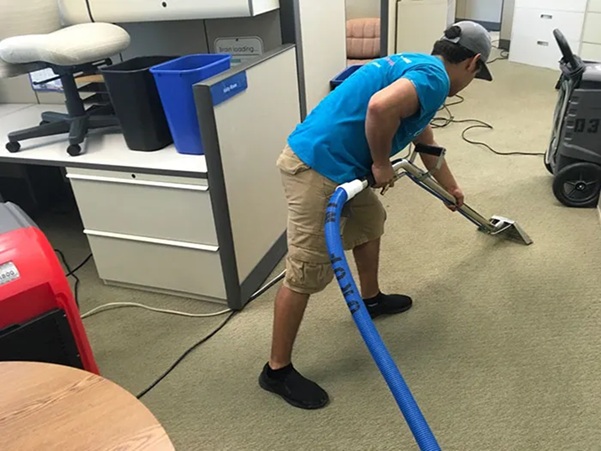
This phase is often the most visible part of the process: large extraction machines, hoses, and specialized equipment begin removing standing water.
Key actions include:
- High-powered water extraction
- Removal of soaked carpets and padding (if necessary)
- Protection of salvageable furniture and belongings
- Moisture mapping using infrared and hygrometers
- Detailed photo and damage documentation
Documentation is especially important for insurance claims. Restoration companies commonly use Xactimate estimates, the industry-standard software recognized by most insurance providers. Xactimate allows contractors and insurers to work from the same pricing database, reducing disputes and speeding up approvals.
By the end of the first 24 hours, most standing water should be removed, but the job is far from over—hidden moisture remains trapped inside structural materials.
Hour 24–48: Structural Drying & Moisture Control
The second day is where science meets restoration.
Even when surfaces look dry, internal moisture levels may still be dangerously high. Without professional drying, mold growth can begin within 24–48 hours after water exposure.
During this stage, restoration specialists use advanced drying systems:
- Industrial air movers to circulate airflow
- Commercial-grade dehumidifiers
- Targeted drying for walls, subfloors, and framing
- Daily moisture readings to track progress
Technicians monitor humidity and adjust equipment placement to ensure balanced evaporation. Improper drying can cause secondary damage such as wood cracking, paint failure, or lingering odors.
IICRC-certified professionals follow standardized drying goals rather than relying on guesswork. Moisture levels are compared to normal baseline readings for your home, ensuring materials are truly dry — not just surface-dry.
Homeowners may notice noise from equipment running continuously during this phase. Though inconvenient, uninterrupted drying dramatically reduces restoration time and prevents costly reconstruction later.
Hour 48–72: Cleaning, Sanitization & Restoration Planning
By the third day, the property begins transitioning from emergency response to recovery.
With structural drying nearing completion, restoration teams focus on returning the home to a safe, livable condition.
Typical steps include the following:
- Antimicrobial treatments to prevent mold growth
- Deodorization and air purification
- Cleaning salvageable contents and surfaces
- Final moisture verification testing
- Preparation of reconstruction scope
At this point, professionals finalize the restoration plan using verified drying data and Xactimate estimates. Homeowners receive a clear outline of repair timelines, costs, and insurance coordination.
If reconstruction is needed, like replacing drywall, flooring, cabinetry, or insulation, planning begins immediately to avoid delays.
The goal is simple: move seamlessly from mitigation into rebuilding without restarting the process.
Why the First 72 Hours Matter
Many homeowners underestimate how quickly water damage escalates. What begins as a minor issue can quickly evolve into structural deterioration, mold growth, and complex insurance challenges if moisture is not addressed early.
Within just three days:
- Mold spores may begin forming on damp surfaces.
- Structural materials can weaken.
- Odors can embed themselves into porous materials.
- Insurance claims become more difficult without proper records.
According to restoration professionals like those at United Restoration, successful recovery depends on a structured response during these critical early hours. Their technicians are IICRC-certified, and they maintain rapid communication with homeowners with an average 10-minute callback time after an emergency request.
This kind of organized, professional approach helps homeowners move confidently from emergency mitigation into full restoration without unnecessary delays.
Key Takeaways
- The first 72 hours after storm-related water damage are critical for preventing long-term structural issues and mold growth.
- Immediate professional response helps stop water migration and reduces overall restoration costs.
- The first 6 hours focus on emergency response, safety inspection, and stabilizing the property.
- Between 6–24 hours, restoration teams extract standing water and document damage for insurance claims.
- The 24–48 hour window is dedicated to scientific structural drying using professional equipment and moisture monitoring.
- By 48–72 hours, cleaning, sanitization, and reconstruction planning begin to restore safe living conditions.
- Working with IICRC-certified professionals ensures industry-standard restoration practices and proper contamination handling.