
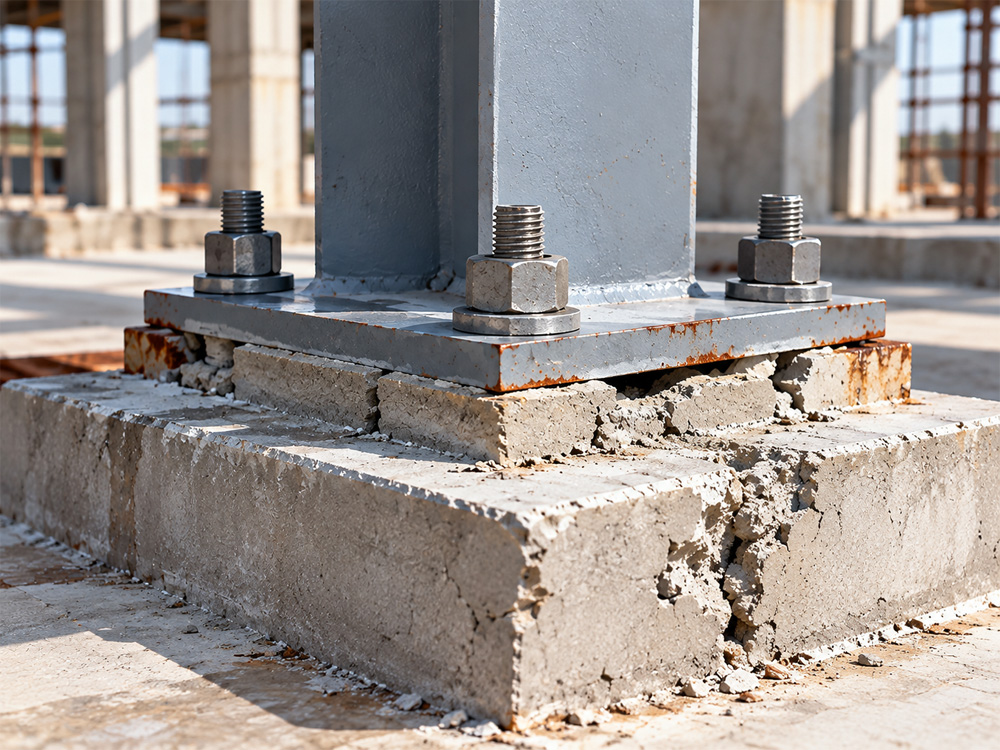
Grouting is used across construction, infrastructure, industrial and repair applications to fill voids, transfer loads, seal openings and provide support between structural elements. Applications include base plate grouting, equipment foundations, precast connections, bridge bearings, anchorages, structural repairs and injection grouting.
The performance of a grout system depends on more than the material selected. Surface preparation, water-to-material ratio, mixing, placement, temperature, curing, access and quality control can all influence the final result. Problems such as shrinkage, cracking, segregation, bleeding, incomplete filling and weak bonding can reduce the effectiveness of the grout and may lead to repair work.
Understanding common grouting problems and their causes can help contractors and project teams improve installation quality and achieve more consistent performance.
Why Does Grouting Quality Matters?
Grout is often placed in locations where it performs an important structural or protective function. In base plate applications, for example, the grout transfers loads between the steel plate and concrete foundation. In bridge bearing applications, it provides a stable interface between the bearing and supporting concrete. In equipment foundations, grout helps provide continuous support and minimise movement.
If the grout does not completely fill the intended space or develops defects after placement, the load-transfer mechanism can be affected. In waterproofing and injection applications, incomplete filling can leave pathways for water or contaminants.
For these reasons, grout selection and installation should be treated as part of the overall construction system rather than as a standalone material application.
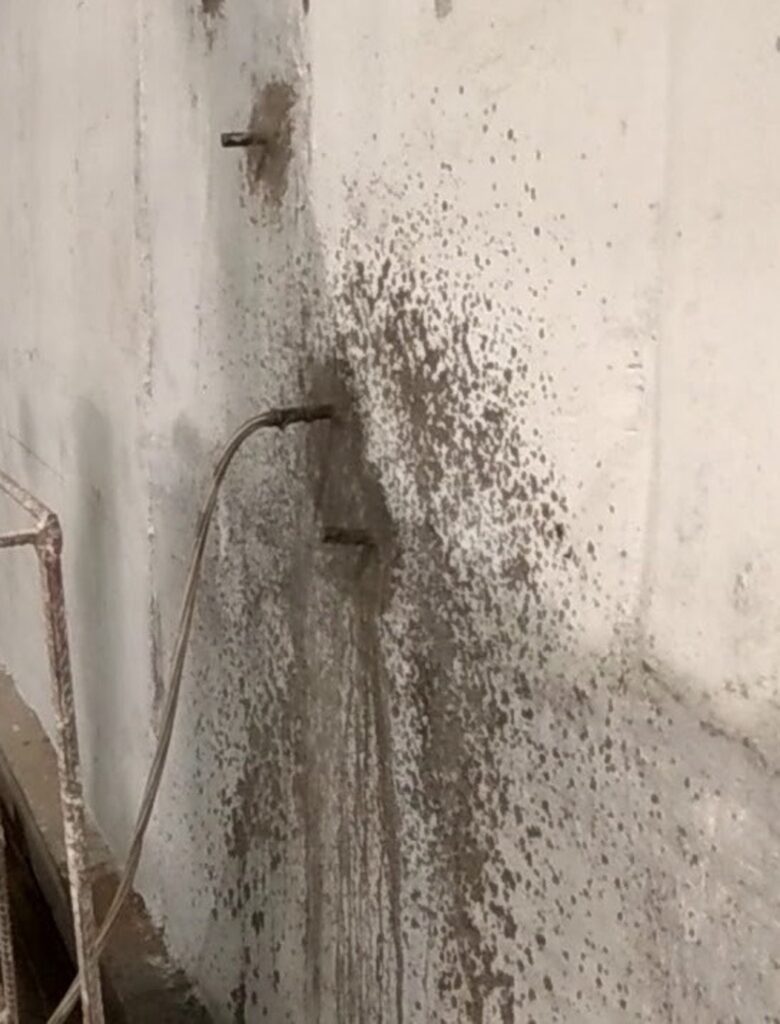
Common Grouting Problems
Grout Shrinkage
Shrinkage is one of the common concerns in cementitious grouting. As grout loses water and undergoes hydration, volume changes can occur. Excessive shrinkage may create gaps between the grout and the adjoining surface.
In applications such as base plate grouting, these gaps can reduce effective contact and load transfer.
How to prevent it: Use a suitable non-shrink or shrink-compensated grout where required by the application. Follow the manufacturer’s recommended water dosage and avoid adding excess water to improve flow. Proper curing should also be maintained.
Cracking
Grout may crack because of excessive water, rapid moisture loss, thermal movement, inadequate curing, excessive thickness, substrate movement or unsuitable material selection.
Cracking can range from minor surface cracks to more significant defects that affect the performance of the grouted connection.
How to prevent it: Select a grout compatible with the application and expected movement. Maintain the recommended water-to-material ratio, prepare the substrate properly and follow the specified curing procedure. Large-volume placements may require consideration of heat generation and temperature control.
Bleeding
Bleeding occurs when water rises to the surface of a cementitious grout after placement. Excessive bleeding can result in a non-uniform material and may affect strength and contact with the surrounding surfaces.
How to prevent it: Avoid adding excess mixing water and select a grout designed for the required application. Proper mixing and placement procedures should be followed, particularly where the grout is required to flow over a considerable distance.
Segregation
Segregation occurs when the components of a grout separate during mixing, transportation or placement. This can result in uneven distribution of cementitious materials and aggregates.
Segregation may occur because of excessive water, incorrect mixing, unsuitable handling or inappropriate placement methods.
How to prevent it: Use the specified mixing procedure and equipment. Maintain the recommended water dosage and avoid prolonged or improper handling. The grout should be placed using a method appropriate to its flow characteristics.
Incomplete Filling and Voids
One of the most serious grouting problems is incomplete filling of the intended space. Voids can occur below base plates, around anchor bolts, inside cavities or within cracks and structural gaps.
Restricted access, inadequate flow, premature setting, trapped air and poor placement planning can all contribute to incomplete filling.
How to prevent it: Plan the grout flow path before installation. Provide suitable entry and vent points where required. Use a grout with appropriate flow characteristics and place it continuously wherever the application requires continuous filling. Inspection should confirm that the intended cavity has been adequately filled.
Poor Bonding
Poor adhesion between grout and concrete or steel can result from inadequate surface preparation, contamination, excessive substrate moisture where the system does not permit it, or incompatibility between materials.
Dust, oil, laitance, loose concrete and other contaminants can interfere with bonding.
How to prevent it: Prepare the substrate according to the grout manufacturer’s requirements. Remove laitance, loose material, oil and other contaminants. Repair defective concrete before grouting and ensure the substrate condition is suitable for the selected grout.
Excessive Water Addition
Adding extra water is a common site practice used to increase workability or flow. However, changing the specified water-to-powder ratio can alter the performance of cementitious grout.
Excess water can increase porosity, reduce strength, increase bleeding and contribute to shrinkage and cracking.
How to prevent it: Measure mixing water accurately and follow the manufacturer’s specified dosage. Do not add water after the grout has started setting unless the product instructions specifically permit such a procedure.
Incorrect Mixing
Inadequate mixing can result in lumps, inconsistent consistency and uneven distribution of components. Overmixing or mixing at an inappropriate speed can also affect the material depending on the product formulation.
How to prevent it: Use the recommended mixer and mixing sequence. Measure materials accurately, add water as specified and mix for the recommended duration. Only prepare quantities that can be placed within the material’s working time.
Loss of Workability
Grout has a limited working time after mixing. If the material is left standing for too long, its flowability may reduce before placement is completed.
This can be particularly problematic in deep cavities, narrow gaps and applications requiring long-distance flow.
How to prevent it: Plan the quantity, mixing and placement sequence before work begins. Avoid mixing more material than can be placed within the specified working time. Site conditions such as temperature should also be considered when planning the operation.
Poor Surface Preparation
The condition of the substrate has a direct influence on grout performance. Concrete surfaces containing laitance, dust, oil, loose particles or weak concrete can prevent proper bonding.
How to prevent it: Clean and prepare the surface as specified. Mechanically remove weak surface material where required and repair cracks, honeycombing and defective concrete before grouting. The final surface condition should be checked before placement.
Improper Substrate Moisture Condition
Different grout systems have different moisture requirements. Some cementitious products may require a pre-dampened substrate, while certain resin-based systems may require a dry surface.
Incorrect moisture conditions can affect adhesion, curing and final performance.
How to prevent it: Follow the technical requirements of the selected product. Check the substrate condition before application and follow the manufacturer’s requirements for pre-wetting, drying or priming.
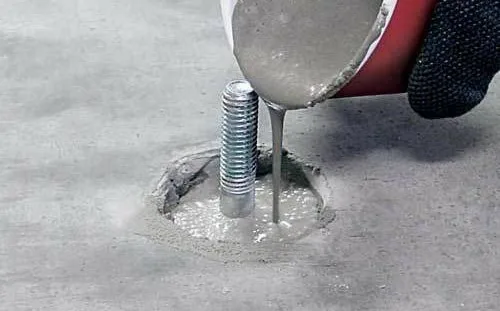
Poor Curing
Curing is particularly important for cementitious grout. Rapid loss of moisture can affect hydration and contribute to surface drying, shrinkage and cracking.
How to prevent it: Protect freshly placed grout from excessive evaporation, direct heat and other conditions that can cause rapid moisture loss. Follow the specified curing method and duration for the selected material.
Incorrect Grout Thickness
Every grout has an appropriate application thickness or placement range. Applying a material outside its recommended thickness can affect flow, heat generation, shrinkage and strength development.
How to prevent it: Check the manufacturer’s recommended minimum and maximum thickness before application. For deep or large-volume grouting, use a material specifically designed for the required depth and volume.
Entrapped Air
Air can become trapped within grout during mixing and placement, particularly in confined spaces or beneath large base plates. This can create voids and reduce the effective contact area.
How to prevent it: Select an appropriate flowable grout and plan the placement direction carefully. Provide suitable vents or access points where required. Continuous placement can also help reduce the possibility of trapped air.
Grouting in High or Low Temperatures
Temperature affects grout flow, setting time and strength development. High temperatures can shorten working time and accelerate setting, while low temperatures can slow setting and strength development.
How to prevent it: Consider site temperature when planning grouting work. Store materials according to the manufacturer’s requirements and follow specified procedures for hot- or cold-weather application.
Incorrect Grout Selection
A grout designed for one application may not be suitable for another. For example, the requirements for a machine foundation can differ significantly from those for crack injection or a bridge bearing.
Important selection parameters include compressive strength, flowability, shrinkage characteristics, setting time, chemical resistance, temperature resistance, thickness range and dynamic loading requirements.
How to prevent it: Define the application requirements before selecting the material. Consider structural loads, gap dimensions, exposure conditions, movement, installation method and required service life.
Poor Planning of Grouting Operations
Grouting can become difficult when access, equipment, material quantity and placement sequence are not planned beforehand.
Interruptions during placement can result in cold joints, incomplete filling or inconsistent material properties.
How to prevent it: Prepare a grouting method statement covering surface preparation, material storage, mixing, equipment, manpower, access, placement sequence, inspection and curing. Ensure all required materials and equipment are available before mixing begins.
Quality Control During Grouting
Quality control should begin before the grout is mixed. Checks should cover the material, substrate, environmental conditions and equipment.
Important checks include:
- Product batch and shelf life
- Storage conditions
- Substrate cleanliness
- Surface moisture condition
- Water quantity
- Mixing time
- Grout consistency
- Placement time
- Application thickness
- Ambient and substrate temperature
- Filling and coverage
- Curing procedure
Where required by the project specification, samples can be taken for strength testing and other performance tests.
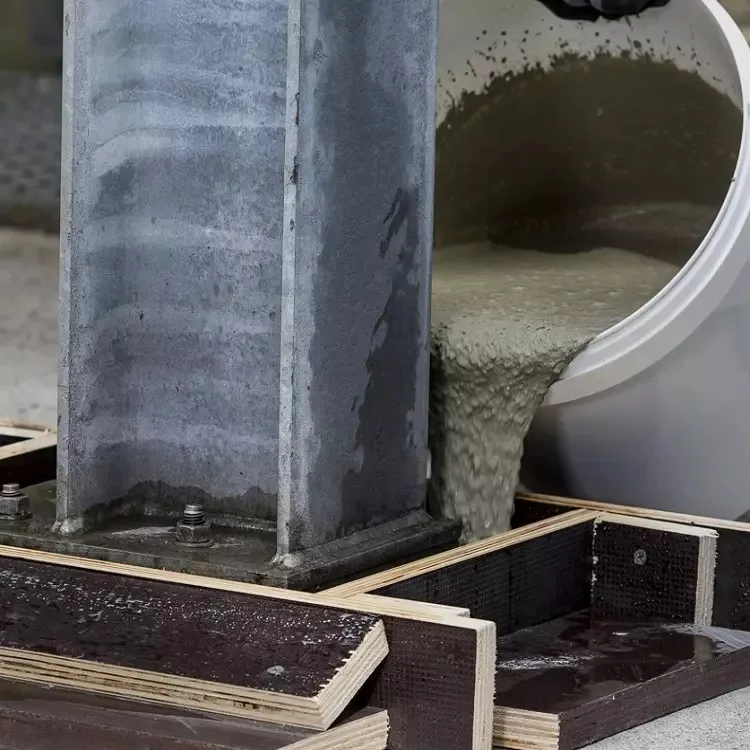
Common Problems and Preventive Measures
| Grouting Problem | Common Cause | Preventive Measure |
| Shrinkage | Excess water or inadequate curing | Use suitable non-shrink grout and follow water dosage |
| Cracking | Drying, movement or improper curing | Select suitable material and control curing |
| Bleeding | Excess mixing water | Maintain specified water ratio |
| Segregation | Improper mixing or excess water | Follow mixing and placement procedure |
| Voids | Trapped air or inadequate flow | Plan flow path and provide vents where required |
| Poor bonding | Contaminated substrate | Proper surface preparation |
| Low strength | Incorrect water ratio or curing | Follow material and curing requirements |
| Loss of workability | Delayed placement | Plan mixing and placement within working time |
| Surface defects | Poor finishing or curing | Follow application and curing procedures |
| Incomplete filling | Restricted access or poor placement | Use suitable flowable grout and planned placement |
| Premature setting | High temperature or delayed placement | Control site conditions and work within pot life |
| Excessive heat | Large-volume placement | Select suitable grout and follow placement guidelines |
Grouting for Different Applications
The problems encountered can vary depending on the application.
Base Plate Grouting
Base plate grouting requires complete filling beneath the plate to establish proper load transfer. Flowability, non-shrink performance, strength development and placement sequence are important considerations.
Equipment Foundation Grouting
Industrial equipment may generate vibration and dynamic loads. The grout should therefore be selected based on the equipment requirements, foundation design and expected operating conditions.
Bridge Bearing Grouting
Bridge bearing grout needs to provide a stable interface between the bearing and supporting structure. Dimensional accuracy, strength, flowability and proper contact are important.
Precast Connection Grouting
Grout used in precast connections must fill the intended connection zone and achieve the specified strength. Proper alignment, access and filling are particularly important.
Injection Grouting
Injection grouting is used to fill cracks, voids and water pathways in existing structures. Material selection depends on crack characteristics, water conditions and the intended repair objective.
Conclusion
Grouting problems can often be traced to a combination of material selection, substrate condition, mixing, placement and curing rather than to the grout material alone. Shrinkage, cracking, bleeding, segregation, voids, poor bonding and incomplete filling can affect the performance of grouted connections and repairs.
Preventing these problems requires the right grout for the application, proper surface preparation, accurate mixing, controlled placement, appropriate curing and systematic quality checks. For infrastructure and structural applications, grouting should be planned as a complete process from substrate preparation through inspection and final curing.






