
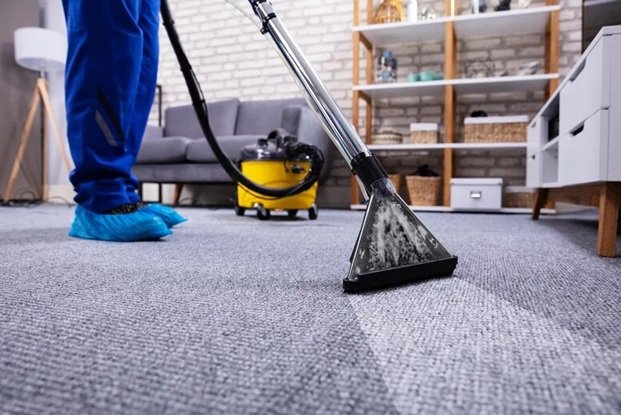
If you’ve lived on Long Island for more than one season, you already know the drill: spring pollen coats everything yellow, summer humidity hangs in the air like soup, autumn tracks in leaves and grit, and winter dumps slush, salt, and mystery stains on every entryway rug. Your carpets feel every bit of it.
Seasonal carpet cleaning isn’t just about “keeping up appearances.” It’s about protecting your home, your health, and the investment under your feet. Let’s walk through why skipping it—especially in a place like Long Island—is a quiet mistake that sneaks up on homeowners. Many families turn to Long island carpet cleaners during these seasonal shifts because they understand how quickly dirt, allergens, and moisture settle deep into carpet fibers.
1. Seasonal Allergens Build Up Faster Than You Think in Long Island Homes
The Long Island climate has a sneaky habit of delivering allergens in waves. Spring rolls in with pollen storms, confirmed by New York State’s pollen trackers on health.ny.gov. Then summer’s humidity sets the perfect stage for dust mites and mold spores.
Carpets catch everything—literally like Velcro.
📌 What’s hiding in your carpet (even when it looks “clean”):
- Pollen that blows off clothing
- Dust mites thriving in humid air
- Mold spores from damp corners
- Pet dander that drifts into fibers
Why seasonal deep cleaning matters
A good steam cleaning or hot water extraction resets the air you breathe. In fact, the EPA has long noted that indoor carpets trap pollutants that affect indoor air quality:
🔗 https://www.epa.gov/indoor-air-quality-iaq
You vacuum weekly—that’s great. But vacuuming is like brushing your teeth. Seasonal cleaning? That’s the dentist.
2. Sand, Salt & Grit Quietly Shred Carpet Fibers All Year
Even if you’re nowhere near Jones Beach, Long Island sand finds you. It rides home in your shoes, your dog’s paws, the kids’ backpacks—everything. In winter, salty slush from Suffolk County roads adds a second layer of carpet damage.
Here’s the part most homeowners never see:
That sand acts like sandpaper between your carpet fibers.
Every step grinds it deeper, slowly fraying the pile.
The result?
- Early wear in hallways
- Matted carpets that never “fluff up” again
- Premature graying in traffic lanes
- Fibers splitting and losing softness
A twice-yearly cleaning removes the grit before it destroys the carpet base.
🟦 Replacing carpet in a whole home costs thousands.
Cleaning it twice a year costs a tiny fraction of that.
3. Humidity + Carpets = A Mold Problem Waiting to Happen
Long Island humidity is no joke. If your windows fog up in July or if your basement smells a little “swampy,” you’re already in the danger zone.
Moisture trapped in carpet is a recipe for mold—and the CDC warns how quickly mold spreads in damp household materials:
🔗 https://www.cdc.gov/mold/
Common Long Island moisture offenders:
- Wet boots from winter storms
- Summer AC condensation
- Pet accidents
- Spilled drinks that soaked deeper than expected
- Damp basements & lower-level rooms
Most of the moisture you see dries. It’s the moisture you don’t see that causes trouble.
Seasonal cleaning prevents:
- Damp fibers turning musty
- Mold patches under the carpet backing
- Bacteria growth
- Strange, sour odors
A good cleaning extracts deep moisture and sanitizes the fibers, making the home smell like a fresh start.
4. Seasonal Carpet Cleaning Protects the Value of Your Flooring Investment
Carpet isn’t cheap. Wall-to-wall installs can easily run into the thousands—sometimes tens of thousands. The lifespan depends heavily on maintenance, not just quality.
Regular cleaning extends carpet life by years
According to EPA recommendations for maintaining carpets and improving air quality in homes, routine deep cleaning is essential for preventing deterioration:
🔗 https://www.epa.gov/indoor-air-quality-iaq/guide-maintain-indoor-air-quality-homes
Homeowners who clean seasonally notice:
- Softer fibers
- Brighter color
- Less shedding
- Slower wear in high-traffic corridors
- Stain-resistant coatings lasting longer
Cleaning twice a year is the difference between a carpet that lasts 5 years and one that lasts 12–15.
🟩 Smart homeowners treat carpet like a major appliance—something you maintain, not replace prematurely.
5. A Fresh, Clean Carpet Changes the Entire Feel of Your Home
There’s something emotional about clean carpets. The whole house feels lighter—like opening a window after days of rain.
Reasons this matters more on Long Island:
- Winters are long → more indoor time
- Homes are often multi-level → more stairs to trap dirt
- Kids and pets spend more time inside during colder months
- Coastal towns deal with damp, salty breezes
A clean carpet makes:
- Your living room feel more welcoming 🏡
- Your bedrooms feel calmer
- Your air smell fresher
- Your guests think you’ve got your life together 😅
It’s the kind of detail people may not mention out loud, but they absolutely notice.
How Often Should Long Island Homeowners Schedule Carpet Cleaning?
| Household Type | Recommended Cleaning |
|---|---|
| Families with kids | Every 4–6 months |
| Homes with pets | Every 4–6 months |
| Allergy sufferers | Every 3–4 months |
| Light-use homes | Every 12 months |
| Near beaches / busy roads | Every 6 months |
FAQs
1. Do Long Island homes really need carpet cleaning twice a year?
Yes—because of humidity, sand, and winter road salt. These conditions cause faster wear compared to inland homes.
2. Does seasonal carpet cleaning help with allergies?
Absolutely. Pollen and dust levels spike on Long Island. Removing trapped allergens improves air quality.
3. What cleaning method is safest for families?
Steam cleaning and hot water extraction are widely recommended by the EPA for deep cleaning and reducing pollutants.
4. How long does carpet take to dry after cleaning?
Usually 4–12 hours, depending on humidity and airflow.
5. Can I clean carpets myself instead of hiring a professional?
DIY machines help, but they lack strong suction and often leave too much moisture. This can lead to mold—especially in Long Island’s climate.






