

Heritage buildings reflect the architectural, cultural, and historical development of a region. Many of these structures were constructed using traditional materials and techniques, which makes them vulnerable to environmental factors, particularly water ingress. Moisture can cause deterioration of masonry, timber, plaster, and decorative elements, compromising structural stability and long-term usability. Waterproofing is therefore an essential aspect of heritage building conservation, helping to maintain structural integrity and prevent material degradation over time.
Importance of Waterproofing in Heritage Conservation
- Preservation of Original Materials: Heritage structures often use materials like lime mortar, sandstone, wood, and clay bricks, which are highly susceptible to moisture damage. Waterproofing helps protect these original materials from decay, salt crystallization, and fungal growth.
- Prevention of Structural Deterioration: Water ingress leads to weakening of masonry, corrosion of embedded metals, and erosion of plaster or stone surfaces. This can compromise the structural integrity of load-bearing walls, beams, and foundations.
- Protection of Decorative Features: Many heritage buildings feature intricate carvings, frescoes, murals, and ornamental plasterwork. Water penetration can cause staining, efflorescence, and loss of detail, making waterproofing essential for aesthetic preservation.
- Mitigation of Rising Damp and Capillary Action: Rising damp is a common problem in older masonry structures where moisture from the ground travels upward through porous materials. Effective waterproofing, including damp-proofing layers and protective coatings, interrupts capillary action and prevents salt deposition that can damage masonry.
- Ensuring Longevity and Usability: Conserving heritage buildings for functional use, such as museums, cultural centers, or government offices, requires maintaining dry interiors. Waterproofing ensures comfort, safety, and usability without compromising historical authenticity.
Causes of Water Damage in Heritage Structures
Heritage buildings face water-related challenges from both external and internal sources:
- Rainwater Penetration: Roof leaks, broken gutters, and inadequate drainage allow rainwater to enter walls, ceilings, and basements.
- Groundwater and Rising Damp: High water tables can saturate foundations, leading to efflorescence, plaster damage, and decay of timber elements.
- Condensation and Humidity: Poor ventilation and environmental conditions promote condensation on walls and decorative surfaces, fostering mold and mildew growth.
- Structural Cracks and Masonry Joints: Settling foundations, seismic activity, or age-related cracks create pathways for water ingress.
- Capillary Action: Porous masonry and stone materials absorb water from soil and nearby damp surfaces.
Principles of Waterproofing in Heritage Buildings
Waterproofing heritage buildings differs from modern construction because it requires sensitivity to historical materials, aesthetics, and construction techniques. Key principles include:
- Minimal Intervention: Solutions must avoid extensive removal or replacement of original fabric. Non-invasive methods are preferred, such as surface coatings, injection grouts, or breathable membranes.
- Breathability: Materials must allow trapped moisture to evaporate to prevent internal condensation and damage. Impermeable coatings can worsen deterioration in historic masonry.
- Reversibility: Conservation ethics recommend reversible interventions, so future restorers can remove or replace waterproofing without harming the original structure.
- Chemical Compatibility: Modern chemical treatments must be compatible with lime mortars, natural stones, and timber to prevent adverse reactions.
- Aesthetic Preservation: Waterproofing must not alter the appearance, texture, or patina of heritage surfaces. Transparent or color-matched coatings are often employed.
Waterproofing Techniques for Heritage Buildings
Several techniques are used to address water ingress in heritage structures, each adapted to the material and level of intervention required:
1. Surface Treatments and Coatings
- Silane/Siloxane Water Repellents: These penetrate stone and brick surfaces, reducing water absorption while retaining breathability. Ideal for facades, stone carvings, and terracotta elements.
- Lime-Based or Mineral Coatings: Applied over masonry, these coatings protect against rainwater while remaining vapor-permeable. They are suitable for traditional walls and historical plaster.
- Hydrophobic Impregnations: Used on porous materials like sandstone or brick, these treatments form water-repellent layers without affecting appearance.
2. Injection Grouting
- Crack Injection: Low-pressure injection of lime-based, epoxy, or polyurethane grouts fills cracks and voids in masonry or walls.
- Damp-Proof Course Creation: Chemical injections create horizontal barriers to prevent rising damp. Silicate, silicone, or polyurethane gels can form these damp-proof courses without disturbing the structure.
3. Structural Waterproofing
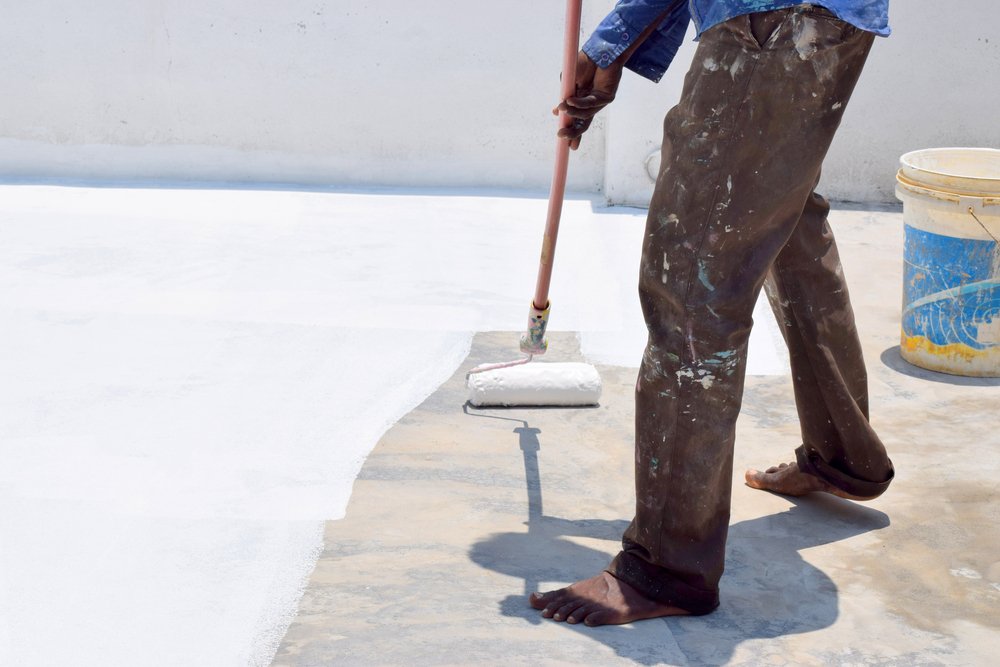
- Roof and Terrace Protection: Waterproofing membranes, either bituminous or synthetic, prevent rainwater infiltration on flat roofs and terraces while allowing for drainage.
- Drainage Improvement: Installing discreet gutters, French drains, or sub-surface drainage channels around foundations reduces hydrostatic pressure on walls.
4. Basement and Foundation Waterproofing
- Cementitious Coatings: Lime or cement-based coatings applied to foundation walls provide protection against groundwater seepage while maintaining compatibility with historic masonry.
- External Waterproofing: Excavation and application of waterproofing sheets or membranes on exterior foundation walls may be employed where feasible without harming heritage elements.
5. Environmental and Preventive Measures
- Ventilation Control: Ensuring adequate air circulation in roof spaces, attics, and interior rooms prevents condensation and mold growth.
- Vegetation Management: Controlling root growth and nearby vegetation prevents water accumulation and structural damage.
- Monitoring Moisture Levels: Regular inspections using moisture meters or infrared thermography help detect early signs of water damage and allow timely interventions.

Material Selection and Considerations
Choosing waterproofing materials for heritage buildings requires careful evaluation:
- Compatibility with Original Materials: Lime mortars, clay bricks, and sandstone respond differently to modern chemical treatments. Materials should not react negatively or cause salt migration.
- Durability: Treatments must withstand environmental exposure without frequent reapplication, but without compromising heritage fabric.
- Breathability: Vapor-permeable materials allow moisture to escape from walls, reducing the risk of internal condensation.
- Aesthetic Neutrality: Transparent or color-matched materials ensure that the historic appearance is retained.
Conclusion
Protecting heritage buildings from moisture is essential for preserving their structure and appearance. Effective waterproofing, along with measures like proper ventilation and drainage, helps maintain the durability and functionality of historic structures while safeguarding their cultural and architectural significance.






