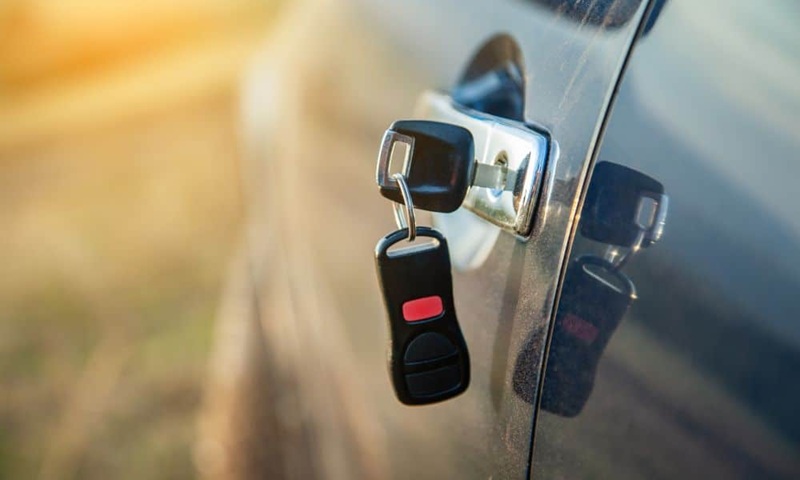
Anyone who spends enough time behind the wheel knows car trouble never shows up at a good time. Lock issues especially — they have this uncanny habit of appearing right when you’re already late, arms full of groceries, or standing alone in a dark car park wondering what you did to deserve this.
Geelong drivers deal with a surprising number of vehicle lock headaches every year. Key fobs that just… stop. Central locking that works three days out of five. Electronic immobilizers that apparently need a moment. Modern cars promise convenience, and mostly deliver — until one Tuesday morning when they absolutely don’t.
Vehicle security has changed dramatically over the last decade. Many newer vehicles rely on wireless encrypted communication between the key and onboard computer, which is great for stopping thieves and occasionally maddening for actual owners. More moving parts, more potential failure points. That’s just the deal now.
Suburbs like Belmont, Waurn Ponds, Armstrong Creek, and Torquay see consistent demand for car key and locking services — coastal humidity doesn’t help electronics, daily commuting takes a toll, and our increasing dependence on keyless systems means when something goes wrong, it tends to go properly wrong.
Knowing what you’re actually dealing with makes a difference. Less panic, less accidental damage, fewer expensive emergency callouts.
Why Modern Car Locks Fail More Than They Should
There’s a certain irony in the fact that smarter cars seem to create more complicated problems. Old mechanical locks worked on straightforward metal alignment — not much to go wrong. Today’s systems involve tiny processors, encrypted chips, wireless signals, and sensors that all have to talk to each other correctly, every single time.
Modern immobilizer systems do an excellent job of reducing theft risk, but they require precise electronic communication between the key and the vehicle’s computer. When that communication breaks down — even slightly — the car may refuse to unlock or start, even with the right key sitting right there in your hand.
Then there’s the environment. Coastal air carries salt particles that quietly work their way into wiring and electronic contacts over time. It’s invisible, gradual, and easy to dismiss until suddenly you have a door that locks fine from inside but ignores the remote entirely. Add in daily use, the odd drop on concrete, years of wear, and you’ve got a system that was always going to need attention eventually.
Most locks don’t fail without a warning or two. The problem is we’re usually too busy to notice until the situation becomes urgent.
1. Key Fob Suddenly Stops Working When You Need It Most
Possibly the most common call a locksmith in Geelong receives. You press unlock, nothing happens, you press it again, still nothing, you start wondering if you’ve somehow forgotten which car is yours.
Nine times out of ten — dead battery in the fob.
Smart keys transmit encrypted radio signals, and even a slightly weakened battery can dramatically shrink the communication range. It might work fine from two metres away on Monday, then need to be pressed against the door handle by Thursday. That inconsistency makes people think something bigger is broken when really it’s a $4 coin battery from the chemist.
Swap them out every 12–24 months. Seriously, just put it in the calendar. You’ll save yourself at least one genuinely annoying afternoon.
2. Car Key Gets Stuck in the Ignition Without Warning
This one usually starts subtly. Bit of resistance one week, slightly stubborn the next. Most people assume it’ll sort itself out. It won’t.
The ignition cylinder contains small internal pins, and as they wear down, alignment drifts. What starts as minor stiffness becomes a key that won’t budge without a firm wiggle — and eventually, one that you’re scared to touch in case it snaps.
Forcing it is the worst instinct here. Jerking or twisting a stuck key can damage the cylinder further or bend the key blade, which then creates a second problem on top of the first.
Two things that genuinely help: don’t hang heavy keyrings off your ignition key (constant downward pull on the cylinder adds up over years), and get occasional lubrication done if you notice early stiffness. Cheap fix compared to a full ignition replacement.
3. Broken Key Snaps Inside the Lock Cylinder
Keys look solid, but metal does fatigue. Repeated use, moisture, small bends when the key goes in at a slightly awkward angle — all of it accumulates quietly until one day the key just snaps off inside the lock.
The instinct is to try and fish it out yourself. Usually a bad idea. Without the right tools, you tend to push the broken piece further in rather than drawing it out, which turns a recoverable situation into a proper job.
If your key is already showing surface cracks, a slight bend, or feels different than it used to — replace it. Not eventually. Now. A duplicate key costs very little. A broken key extraction followed by a new key costs considerably more.
4. Central Locking System Stops Responding Randomly
Central locking failures rarely arrive dramatically. It usually starts with one door being a bit unreliable, then another, until you can’t predict what’s going to lock and what isn’t.
The cause is often electrical — a wiring fault, a blown fuse, or a weakening actuator losing its connection to the vehicle’s control module. When that communication breaks down, the system behaves inconsistently rather than failing completely, which actually makes it harder to diagnose without proper diagnostic equipment.
The odd clicking sound from inside a door is often actuator fatigue announcing itself early. Worth getting checked before you end up with multiple doors that need attention at once.
5. Car Door Lock Feels Jammed or Difficult to Turn
In Geelong specifically, this one comes up more often than it probably should. Salt in the air, moisture, fine coastal grit — all of it slowly works its way into lock cylinders and creates friction where there shouldn’t be any.
Corrosion accelerates that process considerably. Metal components that once moved smoothly start binding, the key requires noticeably more force, and eventually it stops turning altogether.
Regular lubrication is the whole answer here. It’s not glamorous advice, but it genuinely prevents this from becoming an expensive problem. If turning your key already feels harder than it did a year ago, the lock is already telling you something.
6. Keyless Entry Signal Interference Creates Confusing Behaviour
Sometimes your key fob isn’t broken. The battery is fine, the programming is fine, everything is technically working — but parking near a busy shopping centre or transit hub introduces enough electronic interference to disrupt communication between the key and the car.
Signal amplification is also a real concern with keyless systems. This doesn’t necessarily mean someone’s attempting relay theft; it can simply mean the wireless environment around you is noisy enough to cause inconsistent behaviour.
If the car unlocks fine one moment and ignores you the next, try stepping closer or moving slightly away from whatever’s nearby. Often that’s enough. If it keeps happening across different locations, then it’s worth investigating further.
7. Faulty Door Lock Actuator Creates Clicking Sounds
Actuators are the small motors that physically move locking components when they receive an electronic command. They’re reliable until they’re not, and when they start wearing out, the warning signs are usually audible.
Slower than usual locking response, a faint grinding or clicking from inside the door, a lock that requires two presses instead of one — these are all actuator fatigue. Left alone, they’ll fail completely, and sometimes take neighbouring components with them.
Early replacement is always cheaper than waiting for a full failure.
8. Remote Lock Works Intermittently Without Clear Reason
This one is maddening precisely because it’s inconsistent. Works in the morning, doesn’t work at lunch, works again by evening. No obvious pattern, no clear cause.
Usually it comes down to a synchronization issue between the key and the vehicle’s onboard computer. Battery disconnections, minor software glitches, or sometimes just electronic gremlins can knock the key out of sync with the car’s system.
Reprogramming the key — which a mobile locksmith can do onsite — almost always solves it. It’s essentially a reset, and it’s nowhere near as complicated or expensive as the intermittent behaviour makes it seem.
9. Transponder Key Chip Stops Communicating with Immobilizer
Transponder keys carry a microchip that sends a coded signal to the vehicle’s immobilizer system every time you use the key. If that signal doesn’t arrive correctly, the engine won’t start — not because of a mechanical problem, but because the car genuinely doesn’t recognize the key as legitimate.
Chip damage, corruption, or physical damage to the key itself can all cause this. The result is a car that sits there perfectly functional but completely unresponsive.
Professional reprogramming or key replacement is the only real fix. This isn’t a DIY situation — the chip has to be coded specifically to your vehicle.
10. Lost Car Keys Create Urgent Lockout Situations
Still one of the most common reasons people call a locksmith. Rushed mornings, crowded environments, pockets that aren’t as secure as you thought — keys go missing constantly.
The good news is that mobile automotive locksmiths operating around Geelong can now replace and program most keys onsite, without needing to tow the vehicle or wait days for a dealer to source parts. Most callouts are resolved faster than people expect.
The better solution, obviously, is a spare key kept somewhere sensible. Not the same keyring as your original. Not in the car. Somewhere genuinely separate that you can access when things go sideways.