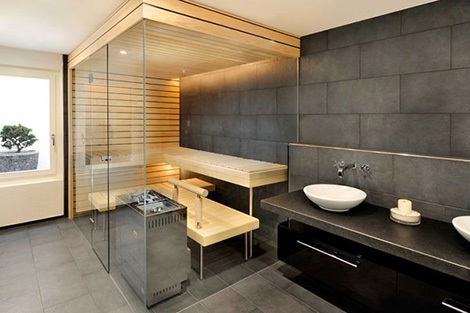
In recent years, wellness-oriented design has become one of the most influential trends in construction and real estate. Developers, architects, and homeowners are increasingly looking for ways to incorporate features that support relaxation, health, and overall quality of life. Among these features, sauna installations have become particularly popular. Once considered a luxury element found mainly in high-end spas or Nordic homes, saunas are now being integrated into residential buildings, hotels, gyms, and even commercial real estate projects around the world.
This shift reflects a broader transformation in how people view living and working environments. Modern buildings are no longer designed solely for shelter or functionality. Instead, they are increasingly created with lifestyle, wellness, and long-term comfort in mind. Saunas, especially steam and heat therapy rooms, have emerged as one of the most effective ways to bring these benefits into built environments.
The Evolution of Sauna Design in Construction
Historically, saunas were simple structures built primarily from wood and heated using stones or traditional stoves. In Nordic countries such as Finland, they have been part of daily life for centuries. However, as global awareness of wellness practices has grown, sauna technology and design have evolved significantly.
Modern construction projects now incorporate advanced materials, efficient heating systems, and integrated ventilation technologies that make sauna installations more practical for a wide range of buildings. Architects and developers are able to include sauna rooms in apartments, luxury villas, hotels, wellness centers, and even office complexes.
The shift toward modern sauna solutions has also led to collaboration between builders and specialized equipment providers such as steam sauna manufacturers, who supply the advanced systems needed to integrate sauna facilities into contemporary building designs. These manufacturers help ensure that heating systems, steam generators, insulation, and safety features are aligned with modern construction standards.
Why Real Estate Developers Are Adding Saunas
The inclusion of wellness amenities has become a powerful selling point in real estate. Buyers and tenants are increasingly interested in properties that support a healthy lifestyle. In competitive markets, small design features can significantly influence purchasing decisions, and wellness facilities often stand out.
Saunas add value to properties in several ways. First, they provide a unique lifestyle feature that distinguishes a building from others in the same price range. Second, they create an environment that supports relaxation and stress relief, which is especially appealing in urban areas where daily life can be fast-paced and demanding.
Developers have noticed that properties offering wellness amenities such as fitness centers, spa areas, and sauna rooms tend to attract higher demand. In many cases, these features also allow developers to position properties as premium offerings, increasing overall property value.
Residential Sauna Installations
In residential construction, saunas are increasingly being installed in private homes and high-end apartment complexes. Homeowners who prioritize wellness often choose to include sauna spaces during the design phase of new houses.
Modern residential saunas can be designed in a variety of ways. Some are compact installations built into bathrooms or basement areas, while others are larger wellness rooms located near home gyms or indoor pools. With advances in construction techniques and materials, it is now possible to create energy-efficient sauna rooms that require minimal maintenance while providing consistent heat and steam.
For many homeowners, having a sauna at home eliminates the need to visit external wellness facilities. This convenience adds significant lifestyle value, especially in colder climates where heat therapy is particularly beneficial.
Saunas in Hospitality and Commercial Properties
Hotels, resorts, and luxury rental properties have long included spa facilities, but saunas are now becoming standard even in mid-range hospitality developments. Travelers today often look for accommodations that offer relaxation and wellness experiences alongside comfortable rooms.
A well-designed sauna area can enhance a hotel’s reputation and attract guests who prioritize health and wellness during their travels. Many modern hotel spas combine steam rooms, saunas, hydrotherapy pools, and relaxation lounges to create comprehensive wellness environments.
Commercial real estate has also begun to adopt similar strategies. Office buildings, corporate campuses, and co-working spaces are increasingly incorporating wellness features to support employee health and productivity. A sauna room in a corporate fitness center can become a valuable amenity that encourages employees to maintain a balanced lifestyle.
Health and Wellness Benefits
One of the primary reasons for the global rise in sauna installations is the well-documented health benefits associated with heat therapy. While scientific research continues to explore the full range of advantages, several benefits are widely recognized.
Regular sauna use can help improve circulation by promoting blood flow through heat exposure. The warming of the body causes blood vessels to expand, which can support cardiovascular health. Many people also report that sauna sessions help relieve muscle tension and joint stiffness, making them especially popular among athletes and fitness enthusiasts.
Another commonly cited benefit is stress reduction. The quiet, warm environment of a sauna encourages relaxation and mental calm. For individuals dealing with demanding work schedules or urban lifestyles, this form of relaxation can be extremely valuable.
In addition, sauna use may support detoxification through sweating, although this effect varies depending on individual physiology and sauna conditions.
Design Considerations in Construction
Incorporating a sauna into a building requires careful planning during the construction phase. Unlike standard rooms, saunas must meet specific requirements related to insulation, moisture resistance, ventilation, and heat distribution.
Builders must select materials that can withstand high temperatures and humidity levels without degrading. Wood is commonly used because of its natural resistance to heat and its ability to create a comfortable environment. However, proper insulation and vapor barriers are also necessary to prevent moisture from affecting surrounding structures.
Ventilation is another critical factor. Effective airflow ensures that heat and steam are distributed evenly while maintaining air quality inside the sauna. Without proper ventilation, the environment can become uncomfortable or potentially unsafe.
Electrical systems must also be designed carefully to accommodate heaters, steam generators, and lighting fixtures that are suitable for high-temperature environments.
The Rise of Smart Sauna Technology
One of the most interesting developments in recent years is the integration of smart technology into sauna systems. Smart control panels and mobile applications allow users to adjust temperature, humidity levels, and session duration remotely.
In residential properties, this means homeowners can start heating their sauna before arriving home, ensuring that it is ready for use when they need it. In commercial settings such as hotels or fitness centers, automated systems can manage multiple sauna rooms efficiently, reducing energy consumption while maintaining consistent performance.
Smart monitoring systems also enhance safety by tracking temperature levels and automatically shutting down heating systems if irregularities occur.
Sustainability and Energy Efficiency
As sustainability becomes a major priority in construction, sauna technology has also evolved to support energy-efficient building practices. Modern sauna heaters and steam generators are designed to provide consistent performance while using less electricity than older models.
Improved insulation materials help retain heat inside the sauna room, reducing the energy required to maintain desired temperatures. Additionally, some advanced systems use programmable heating cycles that optimize energy usage based on occupancy patterns.
Developers who prioritize green building certifications are increasingly looking for wellness solutions that align with environmental standards. Efficient sauna systems contribute to this goal by minimizing resource consumption while still delivering a high-quality wellness experience.
The Future of Sauna Integration in Real Estate
Looking ahead, the role of saunas in construction and real estate is likely to continue expanding. As wellness becomes a central component of modern living, developers will seek new ways to incorporate relaxation and health-focused amenities into buildings.
Urban residential projects may increasingly feature shared wellness areas that include saunas, meditation rooms, and spa facilities. At the same time, private homeowners will continue to invest in personal wellness spaces that enhance comfort and long-term well-being.
Technology will also play a major role in shaping the future of sauna design. Smart controls, automated maintenance systems, and energy-efficient heating solutions will make sauna installations more accessible and practical for a wide range of construction projects.
Conclusion
Saunas have evolved from traditional wellness spaces into sophisticated architectural features that contribute to the value and functionality of modern buildings. Whether in private homes, luxury hotels, or commercial developments, sauna rooms offer a powerful combination of relaxation, health benefits, and lifestyle appeal.
For developers, architects, and property owners, integrating sauna facilities into construction projects represents an opportunity to meet growing demand for wellness-oriented living environments. With advances in design, technology, and materials, sauna installations are becoming more efficient, versatile, and accessible than ever before.
As construction trends continue to emphasize well-being and lifestyle quality, saunas are likely to remain a key feature in forward-thinking real estate developments around the world.