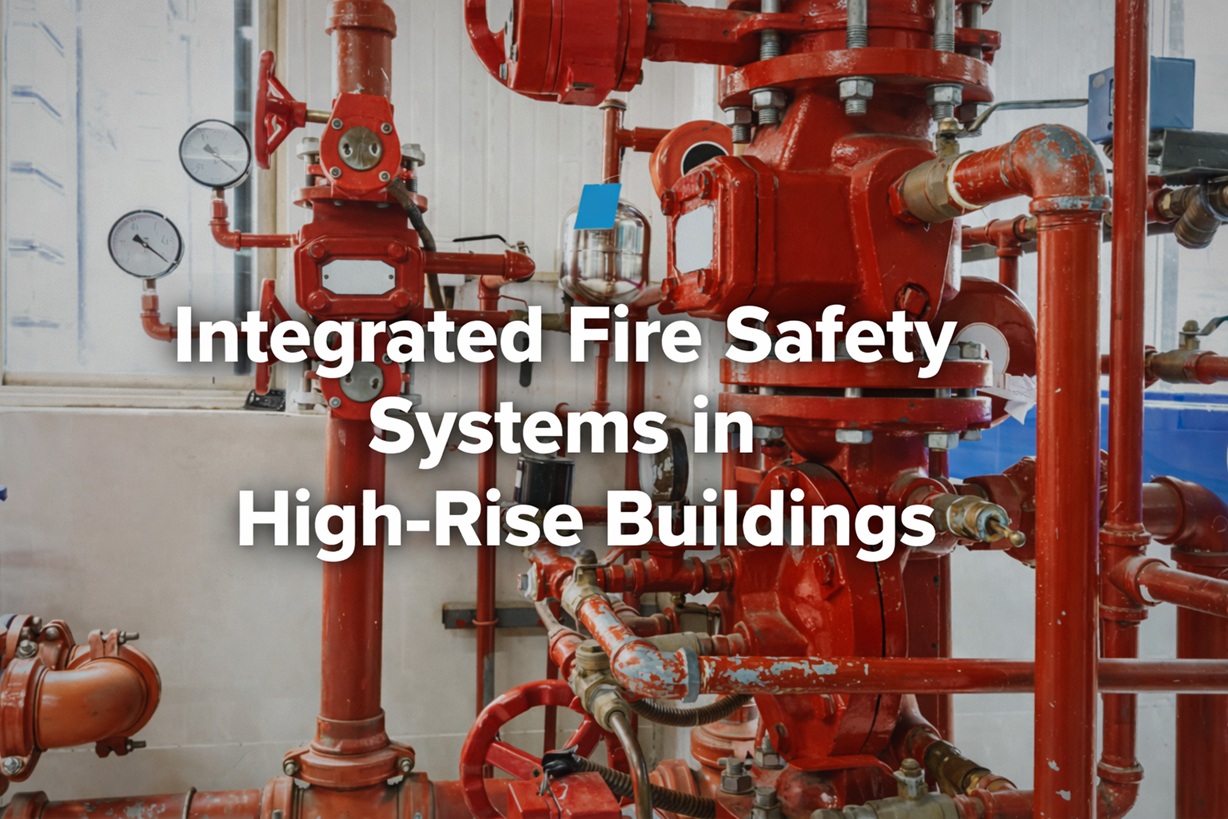
High-rise buildings define modern cities. From luxury residential towers and corporate headquarters to hotels and mixed-use developments, vertical construction maximizes land use and reshapes skylines. However, as buildings grow taller, fire safety becomes significantly more complex. Fire in a high-rise structure behaves differently compared to low-rise buildings due to height, pressure differences, vertical shafts, and evacuation challenges.
Global incidents such as the Grenfell Tower fire and the World Trade Center attacks highlighted pivotal gaps in fire protection, pushing governments worldwide to strengthen fire codes and safety enforcement.
Effective fire protection in high-rise buildings relies on a layered approach that combines passive protection, active systems, smoke control, communication networks, and strict maintenance practices. Below is a detailed explanation using a balanced mix of paragraphs and bullet points for clarity.
Understanding Fire Risks in High-Rise Buildings
Fire safety challenges increase dramatically with height. Unlike low-rise structures, firefighters cannot easily access upper floors using ladders, and evacuation takes longer due to vertical travel distances.
Key challenges include:
- Extended evacuation time due to height
- Stack effect causing rapid vertical smoke movement
- Limited external firefighting access
- Complex mechanical and electrical systems
- High occupant density
The stack effect is especially dangerous. Temperature differences between indoor and outdoor air create pressure variations that pull smoke upward through stairwells, elevator shafts, and service ducts. This can spread smoke to multiple floors within minutes.
Because of these risks, high-rise buildings require carefully engineered fire protection systems.
Passive Fire Protection Systems
Passive fire protection refers to built-in features that contain fire and prevent its spread without requiring activation.
These systems form the foundation of high-rise fire safety.
Fire-resistant construction typically includes:
- Reinforced concrete structural elements
- Fireproofed steel beams and columns
- Fire-rated walls and partitions
- Fire-resistant ceilings and floor assemblies
Fire resistance ratings are determined through standardized testing and may range from one to three hours or more, depending on occupancy and building height.
Compartmentation is another critical strategy. It divides the building into fire-resistant sections to limit horizontal and vertical fire spread.
Important compartmentation features include:
- Fire barriers between floors
- Smoke barriers in corridors
- Fire-rated shaft enclosures
- Sealed service penetrations using firestopping materials
Fire doors and dampers further enhance containment.
- Fire doors automatically close during fire events
- Smoke dampers block smoke movement through HVAC ducts
- Fire dampers prevent flame transmission through ventilation systems
Proper installation and maintenance of passive systems are essential, as even small gaps in firestopping can compromise safety.
Active Fire Protection Systems
Active systems detect, alert, and suppress fire. These systems require activation—either automatically or manually.
Fire detection systems are the first line of active defense. Early detection significantly reduces damage and improves survival rates.
Common components include:
- Smoke detectors (photoelectric and ionization types)
- Heat detectors for kitchens and mechanical rooms
- Manual call points
- Addressable fire alarm control panels
- Audible alarms and visual strobes
- Voice evacuation systems
Addressable alarm systems are especially useful in high-rise buildings because they identify the exact location of a fire, allowing quicker emergency response.
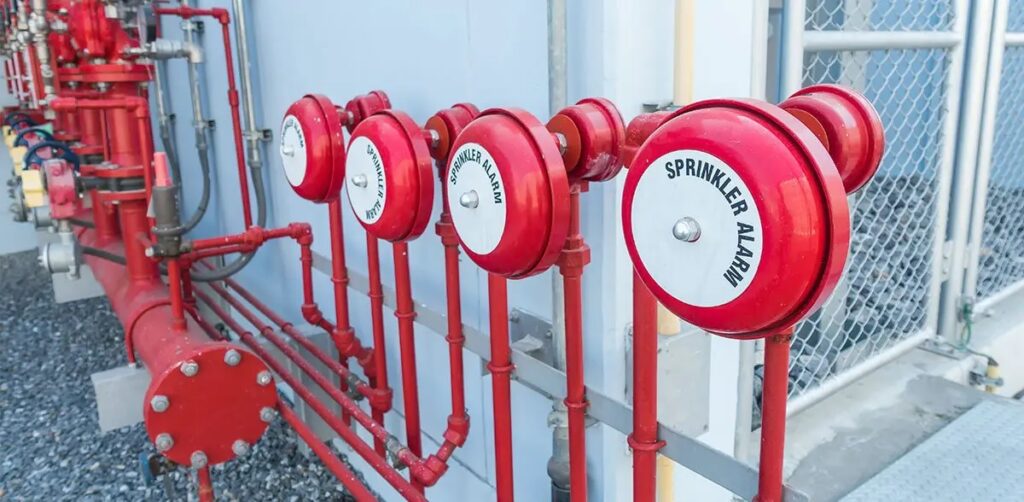
Automatic sprinkler systems are among the most effective fire suppression tools. When heat reaches a preset temperature, individual sprinkler heads activate and discharge water directly onto the fire source.
High-rise sprinkler systems often include:
- Fire pumps to maintain adequate water pressure
- Zonal pressure control for different floor heights
- Ground-level and rooftop water storage tanks
- Backup power supply for pump operation
Other active systems include standpipe and hose systems, which provide firefighters with accessible water connections on every floor.
Standpipe systems typically consist of:
- Vertical riser pipes
- Hose valves at floor landings
- Fire department connections at ground level
Portable fire extinguishers also play an important role in controlling small fires before they escalate.
Common types include:
- ABC multipurpose extinguishers
- CO₂ extinguishers for electrical hazards
- Clean agent extinguishers for data centers

Smoke Management Systems
Smoke inhalation is the leading cause of fire-related fatalities. In high-rise buildings, smoke control is as important as fire suppression.
Smoke management systems may include:
- Stairwell pressurization systems that prevent smoke entry
- Mechanical smoke exhaust fans
- Automatic smoke curtains in atriums
- Zoned smoke control strategies
Pressurized stairwells ensure that evacuation routes remain clear. Mechanical exhaust systems remove smoke from basements, corridors, and large open areas.
By controlling smoke movement, these systems improve visibility, reduce toxic exposure, and assist firefighting operations.
Emergency Communication and Evacuation Systems
Effective communication is critical during fire emergencies. Panic and confusion can increase risk, especially in tall buildings.
High-rise emergency systems typically include:
- Voice evacuation systems providing clear instructions
- Two-way firefighter communication systems
- Radio signal enhancement systems
- Emergency lighting with battery backup
- Illuminated exit signage
Phased evacuation is commonly used in high-rise buildings. Instead of evacuating all floors simultaneously, specific floors are cleared first to reduce stairwell congestion.
Fire Command Centers
Most high-rise codes require a dedicated fire command center located near the building entrance. This serves as the operational hub during emergencies.
The command center may contain:
- Fire alarm control panels
- Smoke control system interfaces
- Elevator override controls
- Emergency communication systems
- Building floor plans and system diagrams
This centralized control room allows emergency responders to monitor and manage building systems efficiently.

Elevators and Refuge Areas
Modern high-rise design increasingly incorporates protected elevators and refuge spaces.
Firefighter elevators are designed with:
- Fire-rated shafts
- Backup power supply
- Water protection systems
- Direct access to all floors
Some buildings also include occupant evacuation elevators designed for controlled use during emergencies.
Refuge floors provide temporary safe zones and are typically enclosed with fire-rated construction. These areas allow occupants to wait safely if full evacuation is not immediately possible.
Regulatory Compliance and Standards
High-rise fire protection must comply with recognized building codes and safety standards.
Internationally, standards such as those issued by the National Fire Protection Association and the International Building Code provide guidelines for design and installation.
In India, fire safety requirements are governed by the National Building Code, particularly Part 4, which addresses fire and life safety.
Compliance ensures minimum performance standards for:
- Fire resistance ratings
- Sprinkler coverage
- Smoke control systems
- Emergency lighting and communication
- Fire command center requirements
Inspection and Maintenance
Even the most advanced fire protection system can fail without proper maintenance.
Routine safety practices include:
- Regular inspection of fire extinguishers
- Periodic testing of alarm systems
- Annual fire pump performance testing
- Sprinkler flow and pressure testing
- Emergency evacuation drills
Documentation of inspections and corrective actions is essential to ensure system reliability.
Emerging Technologies in High-Rise Fire Safety
Technological innovation continues to improve fire protection performance.
Modern advancements include:
- AI-based fire and smoke detection
- Video analytics systems
- Water mist suppression systems
- Environmentally friendly clean agent systems
- IoT-enabled monitoring for predictive maintenance
These innovations enhance early detection, reduce water damage, and improve system efficiency.
Conclusion
Fire protection systems in high-rise buildings are complex, integrated, and essential for life safety. They combine passive containment measures, active detection and suppression systems, smoke management strategies, communication infrastructure, and strict maintenance protocols.
High-rise fire safety is not achieved through a single solution but through a carefully engineered network of systems working together. As cities continue to build upward, the importance of robust, code-compliant, and well-maintained fire protection systems will only increase. Ultimately, the goal is clear: protect lives, preserve property, and ensure that vertical growth remains safe and sustainable.