
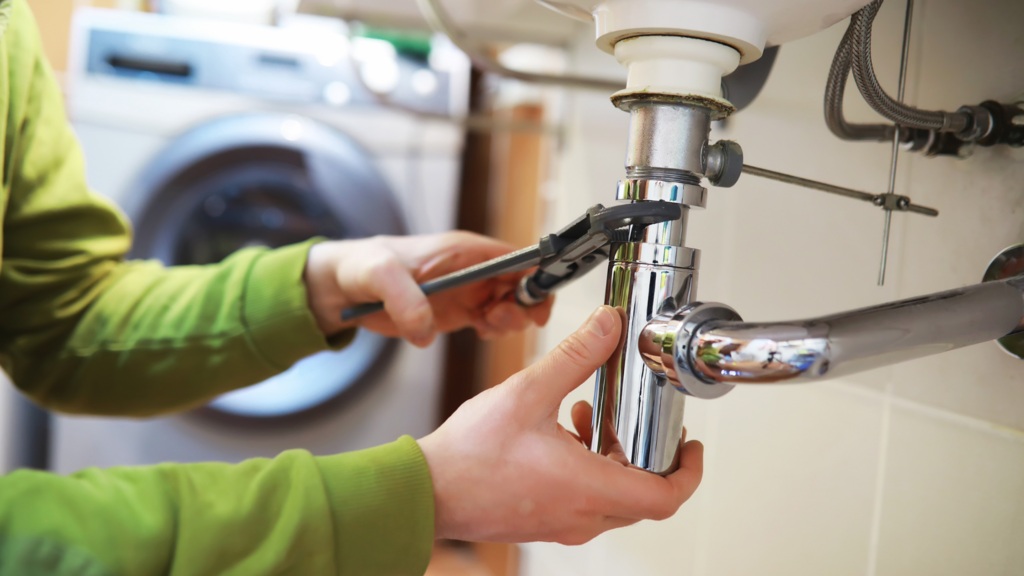
A small drip can feel harmless until it turns into a stained ceiling, warped floor, or water heater meltdown on a Tuesday night. Nobody wants that surprise. Regular plumbing care may not be exciting, but it protects your comfort, your budget, and the parts of your home you use every single day.
There’s a business lesson here, too. More than 30% of trade business owners reduced costly emergency calls by implementing predictive maintenance capabilities, which prevented equipment failures. The same idea works at home: catch problems early, handle the little stuff, and avoid the frantic “where’s the shut-off valve?” moment.
Proactive Maintenance Routines to Extend Plumbing Lifespan
Plumbing repairs can get pricey fast, especially when water damage joins the party. The good news? A steady maintenance routine is one of the easiest ways to keep your system running longer and your wallet calmer.
Search Intent Snapshot From Leading Guides
Most homeowner plumbing guides focus on the same big concerns: leaks, clogs, water pressure, water heaters, and winter protection. That makes sense. Those are the problems that tend to show up loudly, usually at the worst possible time.
So the goal here is practical prevention. Not theory. Not jargon. Real plumbing maintenance tips you can use before a tiny issue becomes mold, damaged drywall, or ruined flooring.
Creating a Year-Round Home Plumbing Care Checklist
Amesbury, NH gets real New England weather. Older homes, crawl spaces, exterior hose bibs, basement plumbing, freeze-thaw cycles, mineral-heavy water, and aging pipe materials can all create trouble if they’re ignored.
That’s why many local homeowners bring in plumbers in Amesbury, NH for hands-on checks of pipe age, shut-off valves, sump pumps, drains, and water heater condition before problems start. Local experience matters here because homes in the area often deal with cold snaps, seasonal groundwater changes, and older plumbing systems that need a trained eye.
A good checklist should be simple enough that you’ll actually use it. Random maintenance rarely works. Scheduled maintenance does.
The Impact of Water Quality on Your Plumbing System
Each month, look under sinks, around toilets, near your water heater, and beside washing machine hoses. Check for dampness, rust, stains, bulging hoses, or odd smells. Every season, test exterior faucets, clean aerators, and make sure your main shut-off valve still turns easily.
Once that habit is in place, pay attention to what’s moving through your pipes. Water quality can quietly shorten the life of fixtures, valves, heaters, and supply lines.
Smart Upgrades and Modern Solutions for Increasing Plumbing Durability
If hard water, sediment, or aging materials are wearing your system down from the inside, maintenance alone may not be enough. Sometimes the smartest move is an upgrade that prevents repeat problems.
Pipe Material Innovations and Retrofitting Old Systems
Hard water leaves scale inside faucets, showerheads, water heaters, and pipes. Sediment can scratch valves, reduce flow, and force appliances to work harder than they should.
A water softener, whole-house filter, or sediment filter can support home plumbing care by reducing internal wear. If your home still has older galvanized pipes, ask a professional whether targeted replacement or whole-home repiping makes more sense.
Pipe Material Comparison
| Material | Durability | Cost Level | Best Use | Homeowner Takeaway |
| PEX | High | Lower | Retrofits, tight spaces | Flexible and freeze-resistant |
| Copper | Very high | Higher | Long-term supply lines | Strong, proven, recyclable |
| Galvanized steel | Low in older homes | Repair varies | Legacy systems | Often prone to corrosion |
| PVC/CPVC | Moderate to high | Moderate | Drains or select supply lines | Useful when properly installed |
Small repairs are helpful, but old materials can become the weak link. Replacing problem sections can save you from paying for the same issue again and again.
Installing Leak Detection and Smart Plumbing Devices
Smart leak sensors near toilets, water heaters, dishwashers, laundry areas, and sump pumps can catch water before it spreads. Leak detection sensors with automatic shut-off functionality led to a 96% decrease in water-related insurance claims for houses using them. Even newer pipes can leak. A smart sensor gives you an early warning, and in some setups, it can shut the water off before serious damage happens.
Best Practices for Preventing Common Plumbing Problems
Tech helps, but daily habits still make a huge difference. Plenty of plumbing trouble starts with what goes down the drain or how pipes are protected during rough weather.
Clearing Clogs Safely Without Harmful Chemicals
Kitchen drains do not love grease, coffee grounds, rice, pasta, or food scraps. Bathroom drains have their own enemies: hair, soap film, wipes, and cotton products. Yes, even the ones that claim to be “flushable.”
Use a plunger, drain snake, hot water, and enzyme-based cleaners when possible. Chemical drain cleaners can heat up, damage pipe walls, and shorten service life, especially in older drain lines.
Protecting Pipes from Freezing and External Damage
Insulate pipes in garages, crawl spaces, basements, and exterior walls. Before freezing weather arrives, disconnect hoses, cover hose bibs, and open cabinet doors during bitter cold so warmer air can reach vulnerable pipes.
If a pipe freezes, shut off the main water supply and warm the area slowly with safe heat. Don’t rush it with an open flame. That’s not bravery; that’s a future insurance claim.
The Role of Professional Inspections in Home Plumbing Care
DIY maintenance is valuable, but it can’t catch everything. Some warning signs hide behind walls, under floors, or inside sewer lines until damage is already underway.
Annual Inspection Checklist: What the Pros Look For
A professional inspection usually covers water pressure, shut-off valves, exposed pipes, water heater connections, drains, sump pumps, toilets, fixtures, and signs of corrosion. Camera inspections can also reveal roots, bellied sewer lines, and buildup.
Think of it like a yearly physical for your plumbing. The point is to find weak spots while they’re still manageable.
Early Warning Signs Only Professionals Detect
Small pressure drops, ticking pipe sounds, slow fixture recovery, damp framing, or mineral stains around fittings can all be early clues. Most homeowners shrug these off. Fair enough. Life is busy.
Pros use moisture meters, thermal imaging, pressure tests, and sewer cameras to spot issues without tearing open walls. That early detection can be the difference between a simple repair and a major cleanup.
Eco-Friendly Plumbing Maintenance Tips to Reduce Costs and Boost Longevity
Saving water helps your utility bill, but it also reduces strain on your plumbing system. Less waste, less wear, fewer headaches. That’s a pretty good trade.
Water Conservation Techniques that Extend Plumbing Lifespan
Low-flow showerheads, faucet aerators, dual-flush toilets, and pressure-balanced fixtures reduce stress on supply lines and valves. Silent toilet leaks are also worth fixing quickly because constant refilling wastes water and wears parts faster.
These upgrades can extend plumbing lifespan while lowering monthly costs. Depending on your area, some may even qualify for local rebates.
Sustainable Cleaning and Maintenance Products
Choose enzyme drain treatments, non-abrasive fixture cleaners, and mild descaling products approved for your pipe material. Avoid mixing cleaners, and never pour solvents, paint, grease, or harsh acids into drains.
What you send down the drain matters. A little caution now can protect pipes from corrosion, buildup, and expensive service calls later.
Building a Relationship with Local Plumbing Experts
Good habits are even better when you have a reliable expert to call. You don’t need a plumber for every tiny concern, but you do want someone who knows your home before an emergency hits.
How to Choose Trustworthy Local Plumbers
Look for licensing, insurance, clear communication, local reviews, written estimates, and experience with heating, drains, water heaters, and older homes. Be cautious with vague pricing, pressure tactics, no proof of insurance, or anyone who won’t explain your options.
The right plumber gives practical advice, respects your budget, and helps you plan instead of pushing panic decisions.
When to Call a Pro vs. DIY: Clear Decision Points
DIY is fine for plunging a toilet, cleaning aerators, replacing washers, or checking visible leaks. Call a pro for burst pipes, sewer odors, low whole-house pressure, gas piping, water heater trouble, or repeated clogs.
Good timing matters. Knowing when to stop tinkering and call for help can prevent plumbing problems before they turn expensive.
Innovations and Trends for Future-Proofing Your Plumbing System
Once your basics are covered, you can start thinking ahead. New plumbing technology can make your home more efficient, resilient, and easier to monitor.
Green Technologies Homeowners Should Watch
Greywater reuse, rainwater catchment, high-efficiency water heaters, smart irrigation controls, and water usage dashboards are becoming more common. These systems can reduce waste while making leaks and unusual flow patterns easier to spot.
For New England homes, future-ready planning also means freeze protection, backup sump pump power, and insulation around vulnerable lines. Weather swings have not exactly been gentle lately.
Unique Information-Gain: The Plumbing Lifespan Scorecard
Rate your home from one to five in five areas: pipe age, water pressure, water quality, leak history, and winter exposure. If you score low in two or more areas, schedule an inspection soon.
This simple scorecard helps increase plumbing durability because it turns vague worry into a clear priority list.
Essential Resources and Tools for Effective Plumbing Maintenance
Even the best plan works better when your tools are easy to find. During a leak, nobody wants to dig through a garage bin labeled “random stuff.”
Top Maintenance Tools Every Homeowner Should Have
Keep a plunger, adjustable wrench, basin wrench, bucket, plumber’s tape, flashlight, pipe insulation, drain snake, water alarm, and disposable gloves on hand. Store them together.
Use tools gently, too. Over-tightening a fitting can create the exact leak you were trying to avoid. Annoying, but true.
Downloadable Home Plumbing Maintenance Log & Calendar
A maintenance log should track water heater flushes, filter changes, leak checks, drain issues, service visits, and shut-off valve tests. Add photos of problem areas so you can compare changes over time.
Tracking turns “I should check that sometime” into a real habit. And habits are what keep plumbing systems alive longer.
Common Questions About Longer-Lasting Plumbing
- Can copper pipes last 100 years?
Yes, copper pipes can last 100 years in ideal conditions, but many homes see shorter service life due to acidic water, poor installation, high pressure, or corrosion. Regular inspections help confirm whether copper lines are still safe.
- How much does it cost to repipe a 2500 sq ft house?
Repipe costs vary by region, access, material, and fixture count. A 2500 sq ft home may cost several thousand dollars to much more. Get written estimates comparing PEX and copper before choosing.
- What are the first signs of hidden leaks most homeowners miss?
Look for musty smells, warped flooring, bubbling paint, unexplained water meter movement, lower pressure, or warm spots on floors. These signs often appear before visible dripping, so don’t wait for a ceiling stain.
- Are smart plumbing devices worth it in older homes?
Yes, especially near water heaters, laundry rooms, bathrooms, and basements. Smart sensors can shut water off fast, protect finished spaces, and support plumbing problem prevention goals when older pipes have higher leak risk.
Your Next Move for Longer-Lasting Plumbing
Longer-lasting plumbing comes down to steady, boring, worthwhile action. Check for leaks monthly. Treat drains kindly. Control water quality. Add smart sensors where leaks would be costly. Schedule annual inspections, especially if your home is older or winter has been rough.
Good home plumbing care is not complicated. It just needs consistency. Start small this week, and you may save yourself from one very expensive surprise later.






