
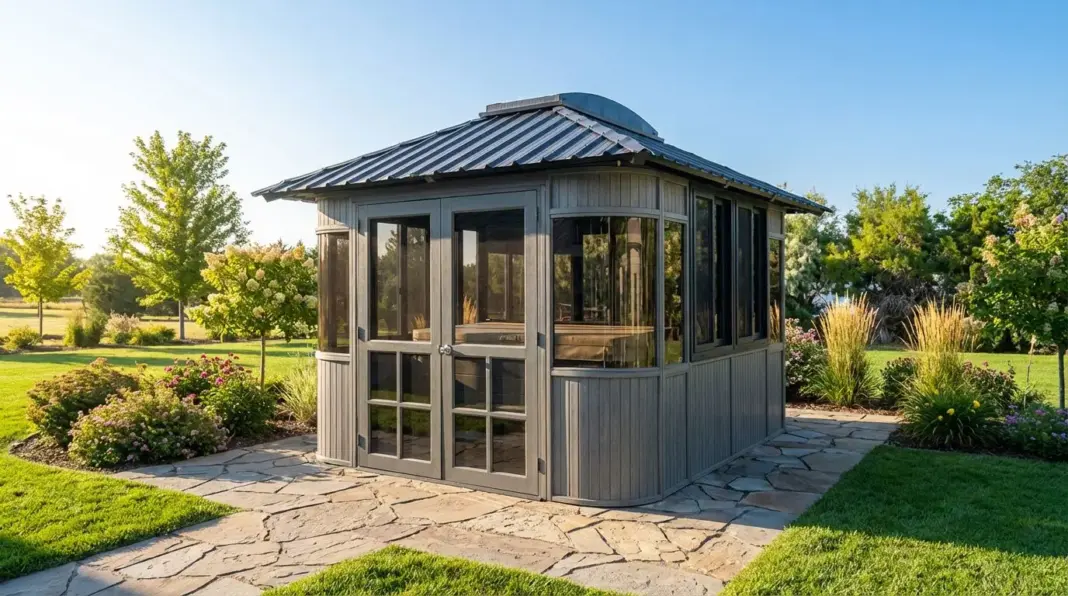
Homeowners today spend more time thinking about how their outdoor spaces function than they did a decade ago. Backyards are no longer just places to store a grill and a few lawn chairs. They have become extensions of the living room, places where families gather, friends linger, and quiet evenings stretch longer than the weather would normally allow. One of the most practical ways to stretch that usable outdoor time is by adding a protected space around a spa or hot tub. A well-chosen gazebo hot tub enclosure does exactly that. It turns an exposed tub into a sheltered retreat that can be enjoyed in more seasons, in greater comfort, and with a higher sense of privacy.
The value this addition creates is not purely emotional. It shows up in everyday use, in the way the yard feels more complete, and often in the way potential buyers respond when a home eventually goes on the market. Outdoor living value is measured by how many hours a year a space can actually be used and by how inviting that space feels when it is used. A spa gazebo addresses both.
Why Outdoor Living Spaces Matter More Than Ever
People are spending larger portions of their free time at home. The demand for comfortable outdoor rooms has grown steadily, and real-estate professionals regularly note that homes with thoughtfully designed outdoor areas tend to attract stronger interest. A bare patio or an uncovered hot tub can look incomplete. In contrast, a covered spa area signals that the owners invested in making the yard functional across seasons.
Several factors drive this shift:
- Longer work-from-home schedules mean more daylight hours spent on the property.
- Rising interest in wellness and recovery has made hot-tub ownership more common.
- Climate patterns in many regions include longer stretches of cool or wet weather that would otherwise keep people indoors.
- Privacy concerns in denser neighborhoods make open-air soaking less appealing without some form of enclosure.
A spa gazebo answers these practical needs without requiring a full room addition or major structural changes to the house itself.
What a Spa Gazebo Actually Provides
At its simplest, a spa gazebo is a freestanding or semi-attached structure designed to shelter a hot tub or spa. The roof keeps rain, snow, and falling leaves out of the water. The sides, which may be solid, screened, or partially open, control wind, reduce visibility from neighboring properties, and help retain some of the heat rising from the water. Many designs also include seating, lighting, and storage so the space feels like a finished outdoor room rather than a temporary cover.
The difference between an open tub and an enclosed one becomes obvious the first time the temperature drops or the wind picks up. Without protection, a hot tub session can feel rushed. With a gazebo, people stay longer, conversation continues, and the experience shifts from something that must be endured to something that can be savored.
Tangible Ways a Spa Gazebo Raises Outdoor Living Value
Extended Seasonal Use
An uncovered spa is largely limited to warm evenings or mild days. Once the air temperature falls or precipitation begins, most people head inside. A roof and partial walls change that equation. In regions with four distinct seasons, the usable window for outdoor soaking can stretch from a few months into most of the year. Even in milder climates, the structure protects against sudden weather changes and keeps the water cleaner, which means less time spent preparing the tub and more time enjoying it.
Greater Privacy and Comfort
Many residential lots sit close to neighbors. Sitting in a hot tub with nothing but open air around it can feel exposed. Side panels, lattice, or solid walls create a sense of enclosure that makes the experience more relaxing. The same panels also block wind, which helps the water stay warmer longer and reduces the chill when someone steps out of the tub. Comfort is not a luxury in outdoor living; it is the difference between occasional use and regular use.
Improved Aesthetics and Cohesion
A spa sitting alone on a concrete pad can look utilitarian. Surrounding it with a well-proportioned gazebo ties the feature into the rest of the landscape. The structure becomes a focal point rather than an afterthought. Matching materials or colors to existing decks, fences, or the house itself helps the whole outdoor area feel intentional. Buyers and visitors notice that cohesion. A yard that looks planned tends to be perceived as more valuable than one that feels pieced together over time.
Protection That Reduces Maintenance Burden
Leaves, pollen, insects, and debris constantly fall into an open tub. That debris shortens the life of filters, increases chemical use, and requires more frequent cleaning. A roof intercepts most of that material before it reaches the water. The result is lower ongoing effort and cost, which makes ownership more pleasant. When a home is sold, the next owner inherits a system that has been better protected and therefore likely in better condition.
Flexibility for Different Household Needs
Families with young children often appreciate the ability to keep the spa covered and secured when not in use. Adults who work irregular hours value the option to soak late at night without feeling on display. Guests who visit in cooler months can still enjoy the outdoor space. A single structure serves multiple users and multiple occasions, which multiplies its contribution to the overall outdoor living experience.
Design Choices That Maximize Value
Not every gazebo delivers the same return. Thoughtful decisions about size, materials, and features make a noticeable difference.
- Scale relative to the tub and the yard. The structure should feel spacious enough for seating and movement without overwhelming a modest lot. Leaving room for a small table or lounge chairs turns the enclosure into a true outdoor room.
- Roof style and pitch. A roof that sheds water and snow efficiently protects both the spa and the structure itself. Sufficient overhang keeps rain from blowing in while still allowing natural light.
- Side treatments. Full solid walls create maximum privacy and wind protection but can feel closed in. Partial walls, screens, or operable panels offer a balance. Some owners prefer removable panels so the space can open completely in summer.
- Flooring and foundation. A level, durable surface under and around the spa improves safety and appearance. Materials that drain well and resist moisture keep the area looking finished for years.
- Lighting and accessories. Soft lighting extends usable hours into the evening. Built-in benches, towel storage, and weather-resistant power outlets add convenience without clutter.
These choices do not require luxury finishes. They simply require attention to how the space will actually be used day after day.
How the Investment Shows Up in Everyday Life
The most reliable measure of outdoor living value is frequency of use. When a spa is protected, people use it more often. Morning soaks become realistic even when the grass is wet. Evening sessions last longer because the wind is blocked. Friends stay for another round of conversation because no one is shivering. Over a year, those extra hours accumulate into a genuine lifestyle improvement.
That lifestyle improvement is what buyers notice when they walk through a property. An outdoor area that looks ready for immediate use feels more complete than one that still needs work. Appraisers and real-estate agents often remark that finished outdoor rooms contribute to perceived value even when they do not appear as a separate line item on a formal appraisal. The home simply shows better.
Practical Considerations Before Building
Several practical points help ensure the addition delivers what is expected.
First, check local zoning and homeowners-association rules. Many communities have setback requirements or height limits that affect placement. Second, consider the existing spa’s location. Moving a filled tub is expensive, so designing the gazebo around the current pad is usually more efficient. Third, plan for drainage and electrical needs early. Proper water management and safe power access prevent later frustrations. Finally, think about long-term maintenance. Materials that resist rot, insects, and fading reduce the time and money required to keep the structure looking good.
None of these steps is unusually complicated, but skipping them can reduce the very value the gazebo is meant to create.
The Broader Impact on Home Enjoyment
Outdoor living value is not only about resale numbers. It is about the quality of the hours spent at home. A protected spa area creates a place that feels separate from the rest of the house yet remains connected to the outdoors. That separation is useful. It offers a change of scenery without the need to leave the property. It provides a quiet zone for recovery after exercise or a long workday. It becomes the default gathering spot when temperatures are mild but not perfect.
Over time, that consistent usefulness changes how people feel about their homes. The yard stops being a place they merely maintain and becomes a place they actively inhabit. That shift is difficult to quantify on a spreadsheet, yet it is the reason many owners say the addition was worth every bit of effort.
Closing Thoughts on Long-Term Value
A spa gazebo succeeds when it removes barriers to outdoor use rather than adding new ones. Protection from weather, increased privacy, reduced maintenance, and a more finished appearance all work in the same direction: they make the outdoor space easier and more pleasant to occupy. When those conditions are met, the structure earns its place by delivering more hours of enjoyment each year.
For homeowners evaluating ways to strengthen the outdoor living component of their property, few single additions accomplish as much with as little disruption to the existing landscape. The result is a backyard that feels more complete, more usable, and more aligned with the way people actually want to spend their time at home. Exploring options for spa gazebos can be a practical next step for anyone ready to turn an exposed hot tub into a true outdoor living feature.






