
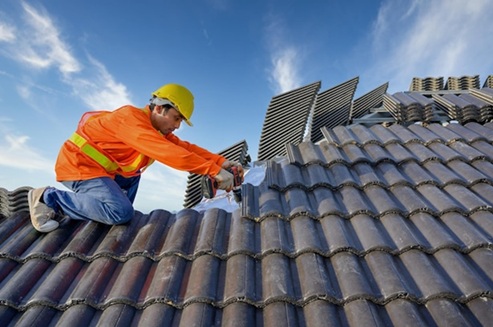
Professionals handle emergency roof repairs by responding quickly, assessing the damage safely, and applying temporary or permanent fixes to stop further harm to your home.
Voorhees Township is a suburban community in Camden County, New Jersey, known for its residential neighborhoods and unpredictable weather patterns that can cause sudden roof damage. Hiring a qualified roofing contractor in Voorhees, NJ, ensures the repair is done correctly and safely from the start.
When storms or accidents damage your roof, delays can make the problem significantly worse. Acting fast with the right professional help protects your home’s structure and interior.
How Professionals Assess Emergency Roof Damage
Before any repair begins, professionals conduct a thorough inspection to understand the full extent of the damage.
What the Inspection Covers
A qualified roofer checks for missing shingles, cracked flashing, damaged underlayment, and any signs of water intrusion. They also inspect the attic for moisture or structural compromise. This step ensures no hidden damage is missed before repairs start.
Safety Checks Before Work Begins
Emergency repairs often happen after storms, meaning wet surfaces and unstable materials are common. Professionals use proper safety equipment and avoid working in dangerous conditions. They also identify any electrical hazards near the damaged area before starting.
Temporary vs. Permanent Repairs
Not every emergency situation calls for a full repair on the same day. Professionals choose the right approach based on damage severity and weather conditions.
Temporary measures include:
- Tarping the damaged area to prevent water entry
- Applying roofing cement to cracked or lifted shingles
- Sealing exposed nail heads or gaps in flashing
Permanent repairs are scheduled once the roof is stable and conditions are safe. This two-step approach prevents further damage while allowing proper planning for long-term fixes.
Steps Professionals Take During an Emergency Roof Repair
- Inspect the full roof surface and attic for the extent of damage.
- Secure the area to prevent injury or further structural harm.
- Apply temporary protection, such as tarps or sealant
- Document all damage with photos for insurance purposes.
- Schedule permanent repairs based on material availability and weather
- Test the repaired area after completion to confirm water resistance.
What Separates Professional Repairs from DIY Fixes
Professionals bring experience, proper materials, and liability coverage to every job. A DIY repair may look fine on the surface, but it can fail during the next heavy rain. Licensed roofers follow building codes and ensure repairs meet local standards.
Pros of hiring a professional:
- Work is backed by a warranty
- Proper materials are used.
- Code compliance is maintained
Cons of DIY emergency repairs:
- Risk of injury on wet or unstable roofs
- Improper fixes can void homeowner’s insurance
- Hidden damage is often missed.
Key Takeaways
- Professionals begin with a full inspection before touching any damaged area.
- Temporary repairs, like tarping, stop water damage while permanent fixes are planned.
- Emergency roof repairs follow a clear, step-by-step process.
- Licensed roofers document damage to support insurance claims.
- DIY repairs carry safety risks and may worsen the damage.
- Hiring a qualified professional ensures code-compliant, lasting results.






