
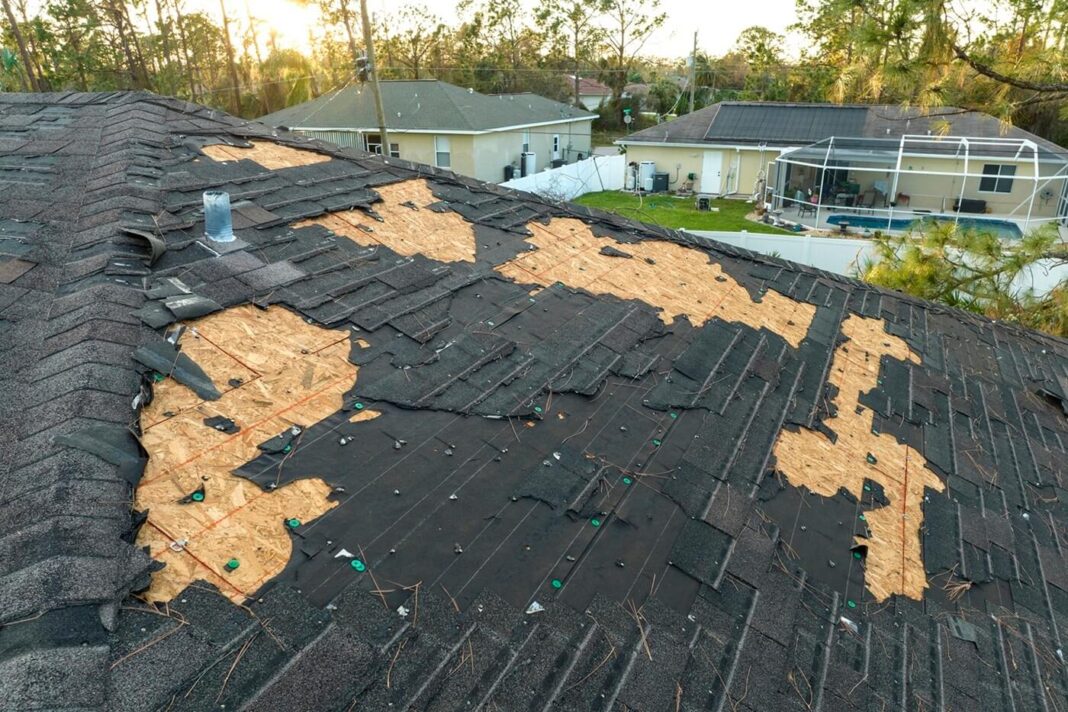
After a hailstorm passes, most homeowners step outside, look up at their roof, and assume everything is fine especially if there are no obvious holes or missing shingles. But hail damage isn’t always visible from the ground. In fact, some of the most serious roofing issues start as subtle, nearly invisible damage that worsens over time.
That’s why it’s important to know what to look for and act quickly. Many homeowners don’t realize the extent of the damage until leaks or structural issues appear months later. Getting an expert inspection from professionals like Stinson Roofing can help identify hidden problems early and prevent costly repairs down the line.
Below are the 10 most common signs your roof may have hail damage even if it looks perfectly fine at first glance.
1. Bruised or Soft Shingles
One of the most common signs of hail damage is bruising on asphalt shingles. When hailstones strike your roof, they can knock granules loose and create soft spots beneath the surface.
These bruises may not be visible from a distance, but if you gently press on the shingle, it may feel spongy or weakened. Over time, these areas can crack and lead to leaks.
2. Granule Loss on Shingles
Shingles are coated with protective granules that shield them from UV rays and weather damage. Hail impact can dislodge these granules, leaving behind bare spots.
Signs of granule loss include:
- Dark patches on shingles
- Granules collecting in gutters or downspouts
- Uneven coloration across the roof
Without this protective layer, shingles deteriorate much faster.
3. Dented Gutters and Downspouts
Your gutters and downspouts are often the first place to check after a hailstorm. Since they’re made of metal, they tend to show dents more clearly than roofing materials.
If you notice:
- Small dents or dings
- Impact marks along edges
- Warped sections
…it’s a strong indicator that your roof may have taken similar hits.
4. Damage to Roof Vents and Flashing
Metal components on your roof such as vents, flashing, and chimney caps are highly susceptible to hail damage.
Look for:
- Dents or cracks
- Bent edges
- Loose or displaced flashing
Damage in these areas can compromise your roof’s ability to keep water out, leading to leaks over time.
5. Cracked or Split Shingles
Hailstones can cause shingles to crack or split, especially if they’re older or already weakened.
These cracks may be:
- Small and hard to see
- Located along edges or corners
- Hidden under overlapping shingles
Even minor cracks can allow water to seep in, causing long-term damage.
6. Random Pattern of Damage
Unlike wear and tear, which usually appears evenly across a roof, hail damage often shows up in random patterns.
You might notice:
- Isolated damaged spots
- Uneven distribution of wear
- Clusters of affected shingles
This irregular pattern is a key sign that the damage was caused by hail rather than age.
7. Water Stains Inside Your Home
Sometimes the first sign of roof damage appears inside your home rather than on the roof itself.
Watch for:
- Water stains on ceilings or walls
- Peeling paint or bubbling drywall
- Damp spots in the attic
These signs often indicate that hail damage has already compromised your roof’s protective barrier.
8. Damaged Skylights or Windows
Hail doesn’t just hit your roof it can also damage skylights, windows, and other exposed surfaces.
Check for:
- Cracks or chips in glass
- Scratches or pitting
- Leaks around seals
If these areas are damaged, there’s a high chance your roof has been affected as well.
9. Loose or Missing Shingles
While not always immediate, hail damage can weaken shingles to the point where they loosen or fall off over time.
After a storm, inspect for:
- Shingles in your yard
- Areas where shingles appear lifted
- Gaps in roofing coverage
Missing shingles leave your roof vulnerable to water intrusion and further damage.
10. Reduced Roof Lifespan
Even if your roof looks intact, hail can significantly shorten its lifespan. The impact weakens materials, making them more susceptible to:
- UV damage
- Wind uplift
- Water infiltration
What might have been a roof that lasts 20–25 years could fail much sooner due to unseen hail damage.
Why Hail Damage Is Often Missed
Hail damage is tricky because it doesn’t always cause immediate, visible problems. Many issues develop gradually, making it easy for homeowners to overlook them.
Common reasons damage goes unnoticed:
- It’s not visible from the ground
- It doesn’t cause immediate leaks
- It resembles normal wear and tear
- Homeowners don’t inspect their roof regularly
By the time symptoms appear, the damage may already be extensive.
The Risks of Ignoring Hail Damage
Delaying repairs can lead to serious consequences, including:
Water Damage
Even small vulnerabilities can allow water to seep in, damaging insulation, ceilings, and walls.
Mold Growth
Moisture buildup creates the perfect environment for mold, which can spread quickly and pose health risks.
Structural Issues
Prolonged exposure to water can weaken your roof’s structure, leading to costly repairs.
Higher Repair Costs
What starts as minor damage can escalate into a full roof replacement if left untreated.
What to Do After a Hailstorm
If your area experiences a hailstorm, taking the right steps can help protect your home.
1. Perform a Visual Inspection
Check your roof, gutters, and surrounding areas for visible signs of damage.
2. Document Any Issues
Take photos of dents, cracks, or other damage for insurance purposes.
3. Check Your Attic
Look for signs of leaks or moisture inside your home.
4. Schedule a Professional Inspection
A trained roofing expert can identify hidden damage that you might miss.
When to Call a Professional
While some signs of hail damage are easy to spot, many require a trained eye. You should call a professional if:
- You suspect damage but aren’t sure
- Your roof is older or already worn
- You notice interior water stains
- There was significant hail in your area
Professional inspections can prevent small problems from becoming major headaches.
Final Thoughts
Hail damage isn’t always obvious but that doesn’t mean it isn’t serious. Even when your roof looks fine from the outside, hidden damage can compromise its integrity and lead to costly repairs down the road.
By knowing these 10 warning signs and taking action early, you can protect your home, extend the life of your roof, and avoid unnecessary expenses. When in doubt, it’s always better to have your roof inspected and ensure everything is in good condition.
Because when it comes to hail damage, what you can’t see is often what matters most.






