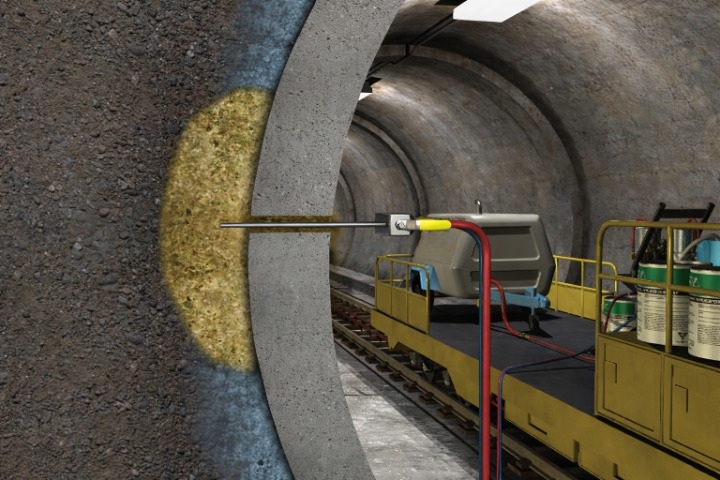
Basements, tunnels, foundations, and other subterranean constructions often include water seeping. Cracks, building joints, porous concrete, or gaps in the surrounding earth can all let groundwater pass. Commonly used to solve these problems by injecting grout chemicals into the afflicted regions, grouting for water seepage control helps seal leakage channels and restrict water movement inside the building.
Why Grouting Is Used for Seepage Control
In many buildings, surface waterproofing by itself might not completely stop groundwater intrusion. Still possible through internal fractures, construction joints, or porous areas of concrete where water finds a route across the building is seepage.
Injection grouting is used in these circumstances to manage the source leakage. Engineers can seal internal cracks and build a sealing barrier that helps to restrict more water movement by injecting grout into the damaged areas.
Common seepage conditions:
- Water leakage through concrete cracks or honeycombing
- Seepage at construction joints and expansion joints
- Groundwater entry in basements and underground walls
- Water inflow in tunnels, shafts, and underground structures
- Soil voids near foundations and retaining systems
Common Grouting Methods Used for Water Seepage
Several grouting techniques are employed to manage water leakage in concrete construction and nearby earth. The type of structure being treated, crack width, and leakage intensity often determine the selection.
Once injected, every grout type acts differently. Selecting the best approach guarantees that the grout forms an efficient seal and reaches the seepage paths.
Common grouting methods:
- Cement grouting – used for filling large voids, rock joints, and foundation gaps
- Chemical grouting – low-viscosity materials that penetrate fine cracks and porous zones
- Polyurethane grouting – expanding grout used to stop active water leaks
- Acrylic gel grouting – flexible grout used for soil sealing and joint treatment
- Epoxy grouting – high-strength grout mainly used for structural crack repair
Grouting Process for Seepage Treatment
Grouting for seepage management seeks to seal interior leakage routes inside of a structure. Engineers start by examining the disturbed region to determine how water is flowing via gaps, joints, or nearby voids.
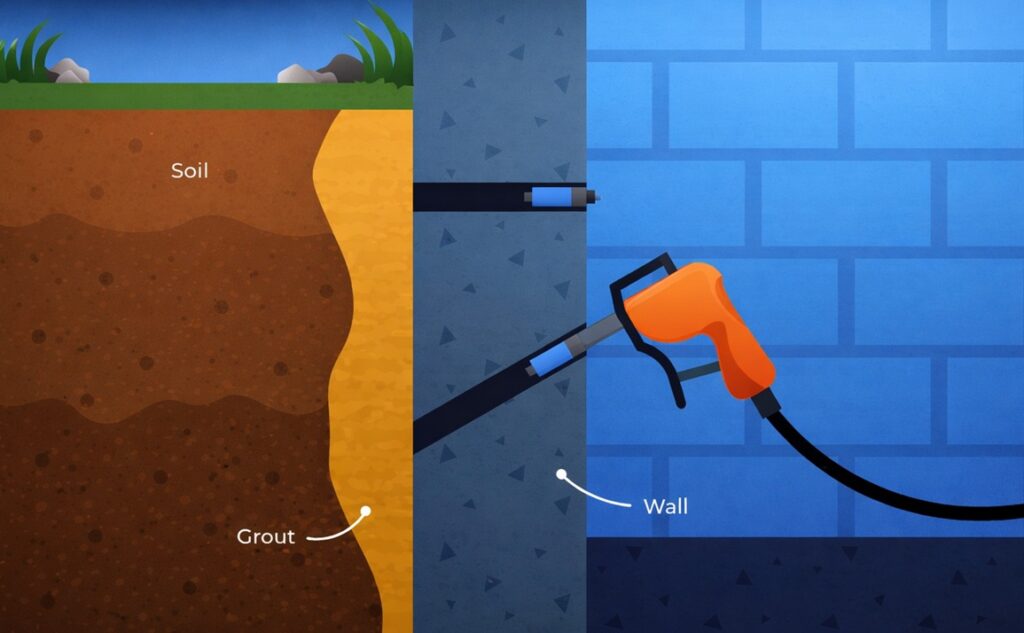
Grout is forced into the leakage zones under regulated pressure following preparation of the injection points. Once solidified, the material distributes along interior channels to create a barrier that helps restrain more water motion.
Typical grouting steps include:
- Locating leakage points through inspection or testing
- Drilling injection holes along cracks or seepage paths
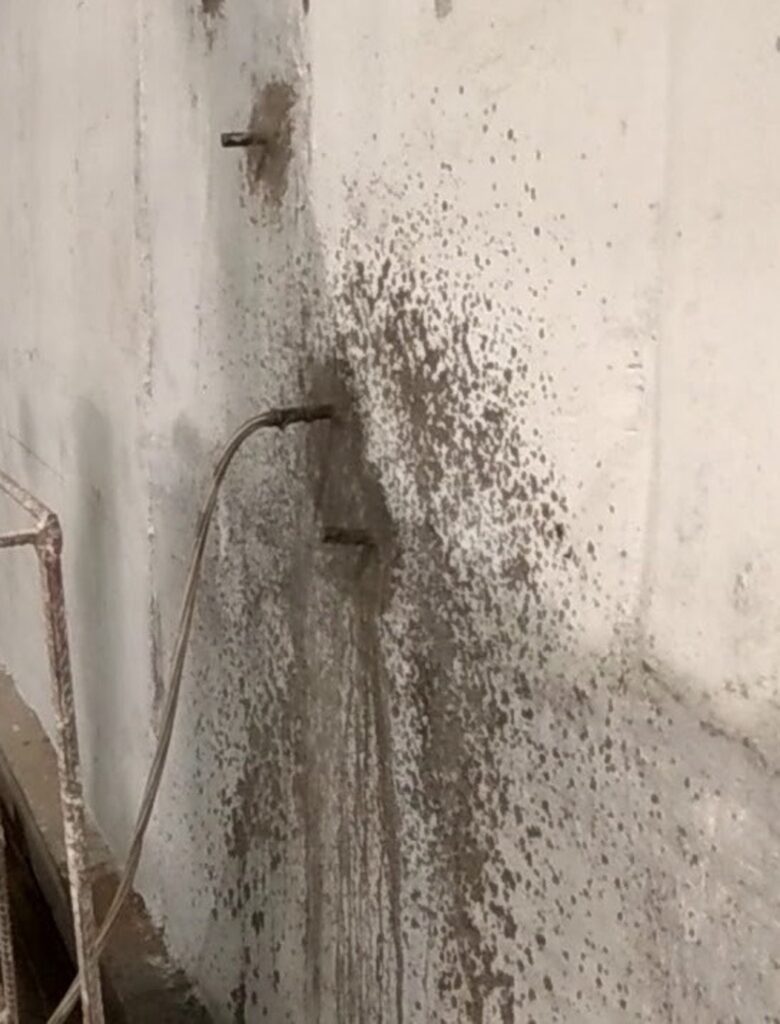
- Installing grout packers or injection ports
- Injecting grout material using pressure pumps
- Checking grout flow and confirming sealing performance
Factors Affecting Grouting Method Selection
Choosing an appropriate grouting technique relies on the kind of seepage issue and the state of the terrain. Engineers first inspect the structure’s condition and the adjacent terrain before choosing the best injection method and grout type.
These factors help determine whether the grout should focus on crack sealing, soil improvement, or structural repair.
- Width and type of cracks or voids
- Groundwater pressure and seepage rate
- Permeability of surrounding soil, rock, or concrete
- Accessibility of the seepage location
- Durability requirements of the treated structure
Seepage Control Through Grouting
Grouting is often used to manage water leaks in tunnels, basements, foundations, and other subsurface buildings. Engineers can reduce groundwater flow and increase sealing inside the building by adding appropriate grout materials into gaps, seams, or fissures. Choosing the best grouting technique and employing regulated injection techniques for project teams helps control leakage problems efficiently while preserving the structural durability and performance.