
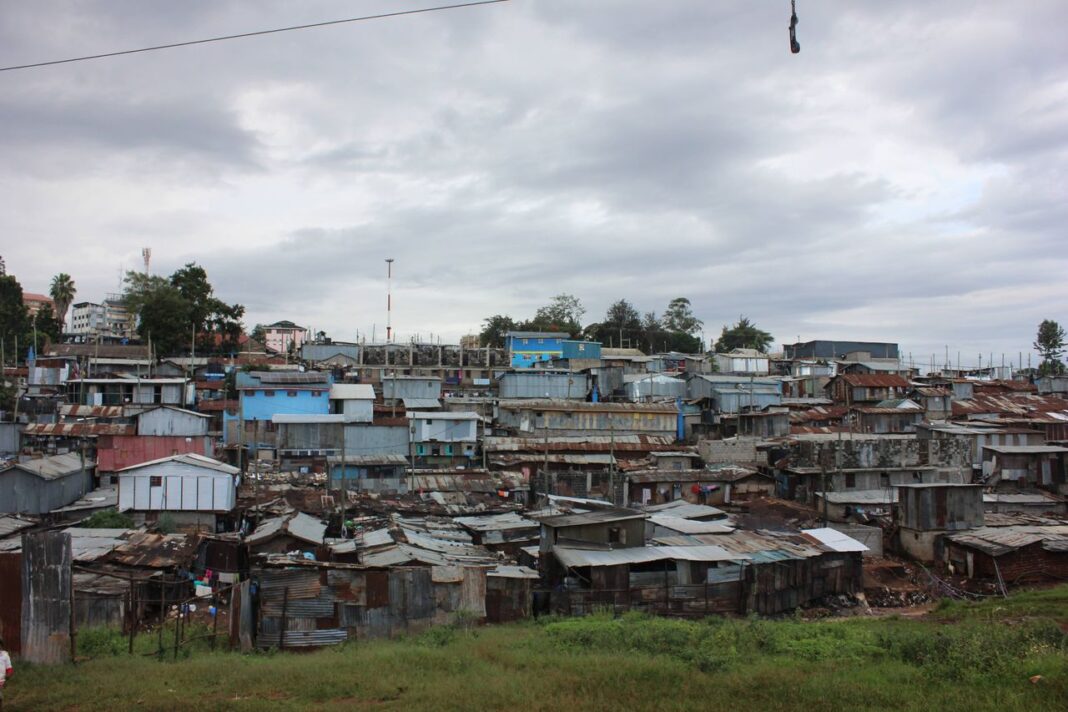
The Delhi government has extended the eligibility cut-off date for slum rehabilitation benefits to January 1, 2025. The move is expected to benefit nearly 20 lakh residents living in Jhuggi-Jhopri (JJ) clusters across the national capital and pave the way for permanent housing for an estimated 4–5 lakh families.
The decision was approved during the 36th meeting of the Delhi Urban Shelter Improvement Board (DUSIB), chaired by Chief Minister Rekha Gupta. Senior government officials, including Urban Development Minister Ashish Sood and Chief Secretary Rajiv Verma, were present at the meeting.
The revised cut-off date significantly broadens the scope of the Delhi Slum and JJ Cluster Rehabilitation and Relocation Policy, 2026. Under earlier norms, many families residing in informal settlements were unable to qualify for rehabilitation due to restrictive eligibility criteria. By extending the cut-off date, the government aims to bring a larger number of slum-dwelling households within the ambit of formal housing schemes.
According to the chief minister, the initiative aligns with the government’s commitment to the vision of “Jahan Jhuggi, Wahan Makaan,” which seeks to provide permanent and dignified housing to residents currently living in slum clusters. She stated that the policy would not only provide shelter but also improve the overall quality of life through planned residential developments equipped with essential infrastructure.
Eligible beneficiaries will be allotted multi-storey residential flats featuring basic civic amenities. The government has emphasized that rehabilitation projects will, wherever possible, be undertaken within or near existing settlements to minimize disruption to residents’ livelihoods, social networks, and access to employment opportunities.
The proposed rehabilitation colonies will be developed with a focus on integrated urban living. Planned facilities include schools, anganwadi centres, healthcare facilities, children’s playgrounds, and other public amenities necessary for community development. Officials believe that this approach will help create sustainable and inclusive neighborhoods while improving living standards for economically weaker sections.
The government is also exploring provisions to address family expansion within slum settlements. Cases where members of the same family occupy separate units within a structure may be considered for rehabilitation under specified conditions and subject to additional charges, though detailed guidelines are yet to be announced.
The rehabilitation programme is expected to be implemented in mission mode through coordinated efforts between the Centre and the Delhi government. Authorities also plan to leverage public-private partnership (PPP) models to accelerate project execution and ensure timely delivery of housing units.






