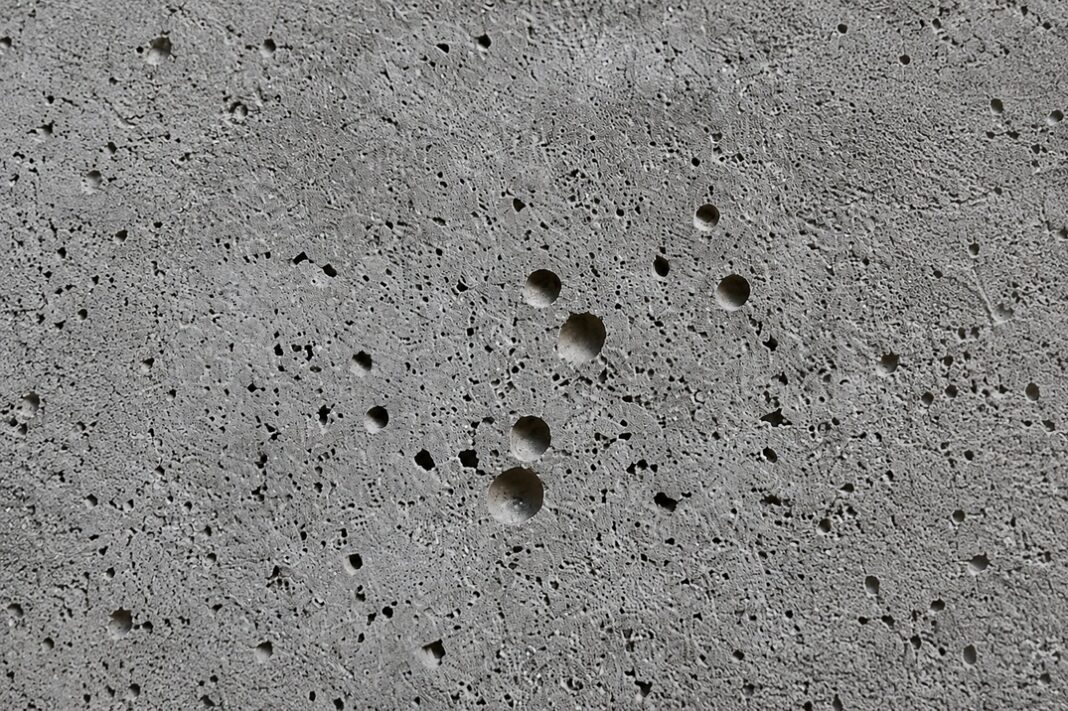
Concrete surfaces often reflect the quality of construction practices, including mix design, placement techniques, vibration methods, formwork conditions, and curing procedures. Among the common surface defects observed in concrete structures, bugholes are one of the frequently encountered issues. Bugholes appear as small cavities, air voids, or pinholes on the surface of hardened concrete after the removal of formwork. They are generally found on vertical concrete surfaces such as columns, walls, beams, and precast elements.
Understanding the causes, identification methods, prevention measures, and repair techniques of bugholes helps engineers, contractors, and construction teams improve concrete quality and achieve durable structures.
What Are Bugholes in Concrete?
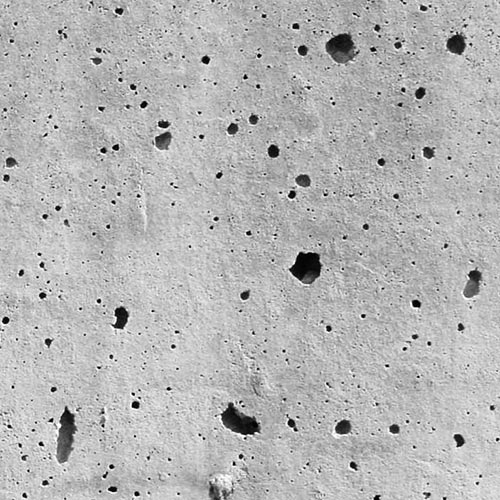
Bugholes are small air voids formed near the surface of hardened concrete. They are typically visible after removing the formwork and appear as small rounded depressions ranging from pin-sized holes to several millimeters in diameter.
During concrete placement, entrapped air bubbles move toward the surface due to vibration and compaction. If these air bubbles cannot escape before the concrete sets, they remain trapped between the concrete and formwork surface, creating voids known as bugholes.
Bugholes are different from honeycombing. Honeycombing occurs due to the absence of mortar between coarse aggregates, resulting in larger cavities and exposed aggregate. Bugholes mainly consist of trapped air voids with a smooth cavity surface.
Common Locations Where Bugholes Occur
Bugholes can develop in various concrete elements, but they are commonly observed in:
- Vertical concrete walls
- RCC columns
- Bridge piers
- Shear walls
- Precast concrete panels
- Architectural concrete surfaces
- Tunnel linings
- Industrial structures
Horizontal concrete surfaces generally experience fewer bugholes because trapped air can escape more easily during finishing operations.
Causes of Bugholes in Concrete
1. Improper Concrete Vibration
The most common reason for bughole formation is inadequate vibration during concrete placement.
When concrete is not properly compacted, trapped air remains inside the concrete mass. Internal vibrators help release these air bubbles by allowing them to rise toward the surface. Insufficient vibration prevents complete air removal.
However, excessive vibration can also create problems by causing segregation of concrete ingredients. Therefore, proper vibration techniques and duration are necessary.
2. Concrete Mix Design Issues
Concrete mix characteristics have a major influence on bughole formation.
Factors such as:
- High water-cement ratio
- Excessive fine aggregate content
- Low paste content
- Poor workability
- Improper admixture dosage
can increase the possibility of trapped air.
A concrete mix with poor flowability cannot easily fill spaces against formwork surfaces, resulting in air pockets.
3. Low Workability of Concrete
Concrete with insufficient workability does not move smoothly around reinforcement and formwork surfaces. As a result, air becomes trapped inside the concrete.
Very stiff concrete mixes require more effort during placement and compaction. Proper slump selection based on structural requirements helps reduce surface voids.
4. Excessive Use of Air-Entraining Agents
Air-entraining admixtures are used in concrete to improve resistance against freeze-thaw cycles. However, excessive dosage can introduce unwanted air content.
Higher air content increases the possibility of visible surface voids, especially when vibration is insufficient.
5. Formwork Surface Conditions
The condition of formwork plays an important role in bughole formation.
Factors contributing to bugholes include:
- Rough or damaged formwork surfaces
- Improper cleaning of formwork
- Incorrect application of release agents
- Excessive use of form oil
- Uneven form surfaces
Release agents should be applied uniformly because excess oil can trap air bubbles between concrete and formwork.
6. Improper Placement Technique
Concrete placement methods directly influence surface quality.
Dropping concrete from excessive height can introduce additional air into the mix. Similarly, placing concrete too quickly or unevenly can prevent proper consolidation.
Concrete should be placed in controlled layers and properly compacted after each layer.
7. Reinforcement Congestion
Highly reinforced sections create difficulties during concrete placement. Restricted movement of concrete around reinforcement bars can trap air pockets.
Proper mix design with suitable flow characteristics is required for congested reinforcement areas.
Effects of Bugholes on Concrete Structures
1. Aesthetic Issues
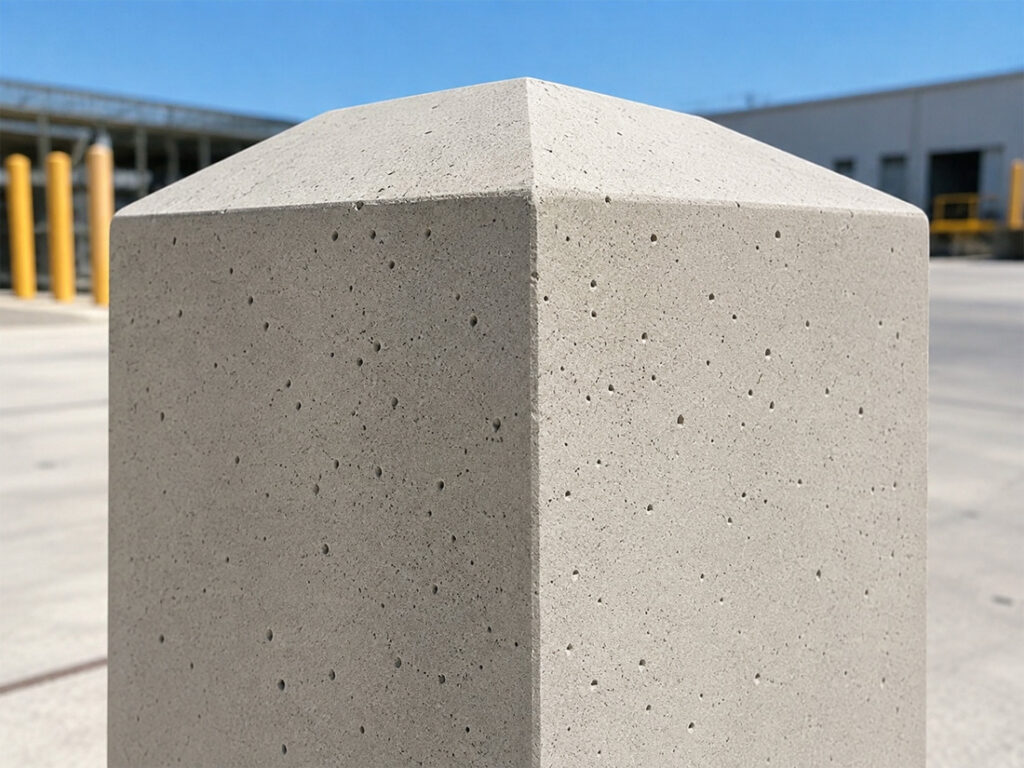
The most visible impact of bugholes is poor surface appearance. Architectural concrete surfaces require smooth and uniform finishes, and visible cavities can affect the overall appearance of the structure.
2. Reduced Surface Quality
A high concentration of bugholes creates a rough surface that may require additional finishing work before applying coatings, paints, or protective treatments.
3. Increased Permeability
Small bugholes themselves may not significantly affect structural strength, but a large number of surface voids can increase permeability.
Higher permeability allows water and aggressive chemicals to penetrate more easily, affecting long-term durability.
4. Coating and Waterproofing Problems
Concrete surfaces with excessive bugholes may create difficulties during coating applications. Voids can trap air and moisture, leading to coating defects such as blistering and peeling.
5. Durability Concerns
In structures exposed to aggressive environments, such as marine areas or industrial locations, surface voids can contribute to faster deterioration by allowing harmful substances to enter concrete.
Types of Bugholes in Concrete
- Pinholes: Tiny surface voids less than 1–2 mm caused by trapped air bubbles near formwork.
- Small Surface Bugholes: Shallow cavities of 2–5 mm formed due to poor vibration or low workability.
- Medium-Sized Bugholes: 5–10 mm voids caused by inadequate compaction and improper concrete flow.
- Large Bugholes: Bigger surface cavities above 10 mm resulting from severe air entrapment and poor consolidation.
- Clustered Bugholes: Groups of cavities appearing together due to localized vibration issues or reinforcement congestion.
- Randomly Distributed Bugholes: Scattered voids caused by inconsistent mixing, placement, or compaction practices.
- Form-Face Bugholes: Voids at the concrete-formwork interface caused by improper form preparation or excess release agent.
- Deep Bugholes: Larger depth cavities caused by inadequate compaction and restricted concrete movement.
- Vertical Surface Bugholes: Bugholes found on columns, walls, and piers due to trapped air against vertical forms.
- SCC Bugholes: Surface voids in self-compacting concrete caused by improper mix balance or excessive air content.

Prevention of Bugholes in Concrete
1. Optimize Concrete Mix Design
A properly designed concrete mix helps minimize air entrapment.
Important considerations include:
- Suitable cement paste content
- Proper aggregate grading
- Controlled water-cement ratio
- Appropriate admixture selection
- Required workability
Trial mixes should be conducted before large-scale concrete placement.
2. Use Proper Vibration Techniques
Effective vibration is essential for removing trapped air.
Recommended practices include:
- Use suitable vibrator size
- Maintain proper vibration duration
- Avoid over-vibration
- Ensure complete coverage of the concrete area
For vertical elements, vibration should be carried out systematically from bottom to top.
3. Apply Form Release Agent Correctly
Formwork should be:
- Clean
- Smooth
- Properly aligned
- Free from old concrete deposits
Release agents should be applied as a thin uniform layer. Excessive application should be avoided.
4. Control Concrete Placement
Proper placement practices include:
- Avoiding excessive free fall of concrete
- Maintaining consistent pouring rates
- Placing concrete in suitable layers
- Ensuring proper compaction after each layer
5. Use Self-Compacting Concrete Where Suitable
Self-compacting concrete (SCC) can reduce bughole formation because it flows around reinforcement and fills formwork without conventional vibration.
However, SCC mix design must be carefully controlled to avoid segregation and excessive air content.
Repair Methods for Bugholes
The repair method depends on the severity, location, and purpose of the concrete surface.
1. Surface Filling
For minor bugholes, cement-based repair materials or polymer-modified repair mortars can be used.
The surface should be cleaned properly before applying repair material.
2. Concrete Surface Treatment
For architectural surfaces, a thin layer of finishing mortar may be applied to achieve a uniform appearance.
3. Epoxy-Based Repairs
Epoxy fillers are suitable for structures requiring higher durability and chemical resistance.
They are commonly used in industrial structures where surface performance is important.
4. Grinding and Finishing
For minor surface irregularities, grinding followed by finishing treatment can improve appearance.
5. Protective Coatings
In aggressive environments, protective coatings may be applied after repairing bugholes to reduce permeability and improve durability.
Inspection and Quality Control
Preventing bugholes requires proper inspection during all stages of concrete construction.
Quality checks should include:
- Concrete mix verification
- Slump testing
- Air content measurement
- Formwork inspection
- Vibration monitoring
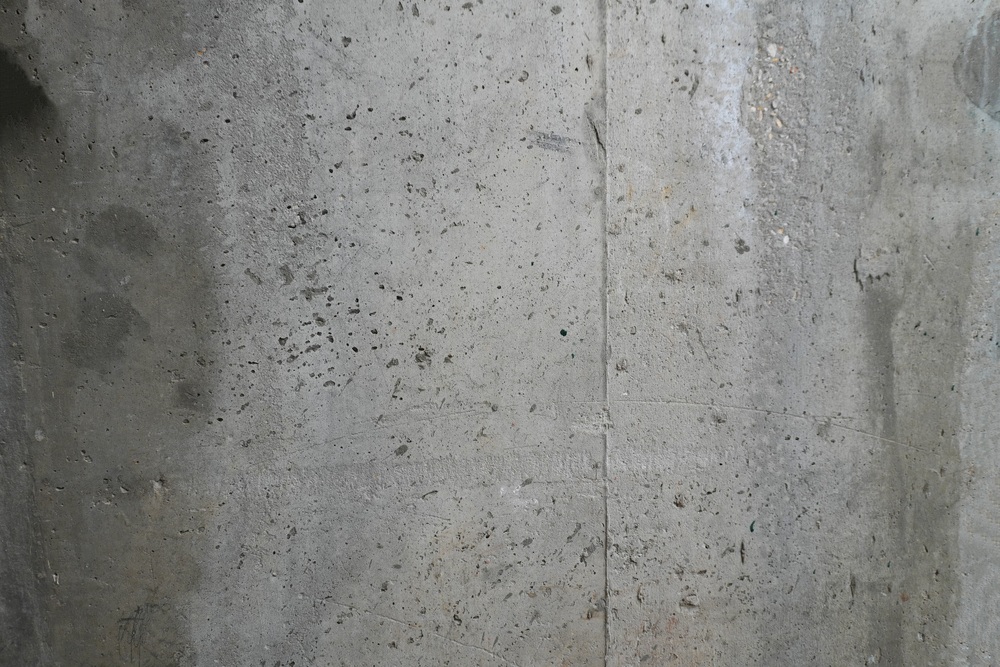
- Surface inspection after form removal
Early identification helps reduce repair costs and prevents future durability problems.
Difference Between Bugholes and Honeycombing
| Bugholes | Honeycombing |
| Small surface cavities | Large voids with exposed aggregate |
| Mainly caused by trapped air | Caused by lack of mortar and poor compaction |
| Mostly affects appearance | Can affect structural performance |
| Usually shallow | Can extend deeper into concrete |
| Easier to repair | Requires detailed assessment |
Conclusion
Bugholes in concrete are common surface defects caused mainly by trapped air during placement and inadequate consolidation. While they may not always affect structural strength, excessive bugholes can reduce surface quality, increase permeability, and create challenges for coatings and finishes.
Proper concrete mix design, controlled placement methods, effective vibration, suitable formwork practices, and quality monitoring are essential to minimize bughole formation. For existing defects, appropriate repair methods based on severity can restore surface performance and improve durability.
With increasing demand for high-quality concrete finishes in buildings, infrastructure projects, and precast construction, controlling bugholes has become an important aspect of modern concrete construction practices.