
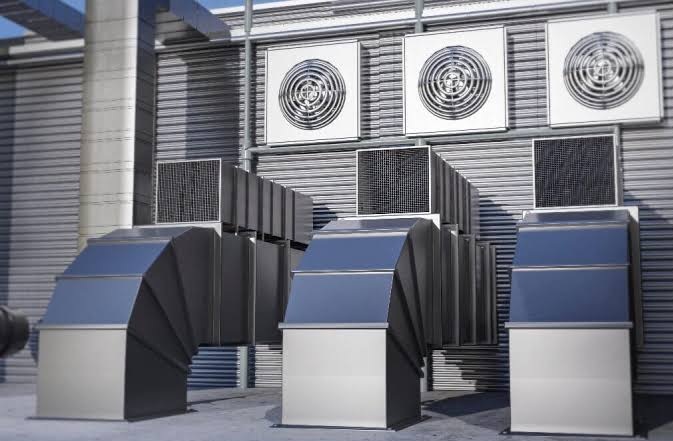
Air conditioning is the most expensive machine in a UAE home and the one most owners understand least. It gets ignored for a year, then someone turns up in July, sprays the outdoor unit with a hose, charges for a gas top-up nobody measured, and leaves. Three weeks later the room still is not cold.
The problem is not that homeowners here are careless. It is that almost all the advice available was written for a climate that does not exist in this country, and the rest was written by people selling something.
Here is what actually matters, in the order it matters.
Why a UAE home is a different problem
A split system in a temperate country runs hard for eight to ten weeks a year. The same unit in Dubai, Sharjah or Abu Dhabi runs hard from late April into October and keeps running at some level through most of the rest. Internal heat gain and solar load through glazing do not stop in January.
So your system racks up three to four times the operating hours the manufacturer’s service interval assumes. Every “annual service” recommendation printed in a manual is, in this region, roughly a third of what the machine is actually asking for.
Then add the dust. Fine airborne material packs into the condenser fins month after month. The coil loses its ability to shed heat, head pressure climbs, and the compressor pulls more current to deliver the same cooling. Service data across the Gulf puts the penalty from meaningfully fouled coils at somewhere between ten and twenty-five per cent extra compressor current.
That is the important thing to understand about AC here. It rarely breaks suddenly. It gets quietly more expensive to run, one month at a time, and because the change is gradual nobody connects it to the maintenance visit that slipped.
How often, honestly
Villas and apartments on split or ducted systems. Two proper visits a year. One in February or March, before the season, which is the important one. One around July or August as a check. Plus a filter wash by you, monthly.
Apartments on district cooling. You do not have a compressor and neither does your landlord. Chilled water arrives from a central plant and what sits above your ceiling is a fan coil unit, a thermostat and a chilled water valve. The plant is the building’s problem. Your fan coil needs its filter washed monthly and a proper coil clean once a year. If one room never reaches setpoint, the culprit is almost always that filter or the valve, not the building supply.
Anyone who was told once a year is enough. It is enough to keep the system alive. It is not enough to keep it cheap to run, and in this climate those are different goals.
If you only do one thing differently after reading this, move your service from autumn to early spring. Servicing in October cleans a coil that has already cost you the whole summer.
What a proper service visit should include
This is the section worth keeping. Most disputes between homeowners and contractors here come from the word “service” meaning completely different things to the two parties.
A real visit covers:
- Condenser coil cleaned properly, not rinsed from a distance with a hose
- Evaporator coil and blower wheel cleaned
- Filters washed or replaced
- Drain pan and condensate line cleared, then flow tested with water
- Refrigerant pressures read and written down, suction and discharge
- Compressor running current measured and compared against the nameplate rating
- Capacitor capacitance measured, not eyeballed
- Contactor contacts inspected for pitting
- Electrical connections checked and tightened
- Temperature split measured across the coil, return air against supply air
That last one is the single most useful number in the whole list, and almost nobody asks for it. The difference between the air going into the unit and the air coming out tells you whether the machine is actually working. Ask for it before the visit starts and again at the end.
The test to apply: ask your technician for the compressor current and the temperature split, before and after. If he can give you four numbers, he serviced your system. If he cannot, he wiped it.
And insist on a written report. Not a signed job card, a report with the readings on it. It costs the contractor nothing and it gives you a baseline to compare against next time, which is the only way you will ever notice a system degrading.
What it should cost, and how to read a quote
Pricing in this market is opaque, which suits the people quoting more than the people paying.
Three rules make it manageable.
Insist on a fixed number before work starts. “We will see when we get there” is how a service visit becomes a parts bill. A diagnosis visit can be charged, but it should be a stated figure, and a fair contractor credits it against any repair you then approve.
Get the quote itemised. Labour, parts, gas by refrigerant type, access or height work if any. A single lump sum tells you nothing and cannot be compared against anything.
Benchmark against a published figure, not a feeling. A handful of UAE contractors now publish their full rate card openly, which has made comparison far easier than it was a few years ago. If you want a reference point before you call anyone, what AC servicing costs in Dubai sets out published ranges for servicing, coil cleaning, common repair parts, R32 and R410A gas work, duct cleaning for apartments and villas, and annual contracts. Checking a verbal quote against a published rate card is a two-minute job that regularly saves several hundred dirhams.
Five ways homeowners here waste money
Paying for gas without a leak test. A sealed system does not consume refrigerant. If it is low, there is a leak, and refilling without finding it means paying for the same gas again next season. Any contractor who tops up without testing is selling you a subscription.
Buying duct cleaning every year. For most apartments it is not an annual job. Ask for camera footage before and after. If nobody can show you the inside of the duct, you are buying a story.
Paying for a deep or chemical clean when a coil clean was the job. Both are legitimate services. They are not the same service and they are not the same price.
Servicing once a year, in the wrong month. Covered above, and it is the most common and most expensive habit in this list.
Replacing a compressor and not fixing what killed it. A compressor that died on a fouled coil and low refrigerant will die again. If the quote is for a compressor and nothing else, ask why the first one failed.
The ten minutes a month that are yours
Four things, no tools:
- Wash the indoor filters. Monthly here, not annually. This alone prevents a meaningful share of the call-outs we see every August.
- Keep a clear metre around the outdoor unit. No storage boxes, no laundry hung over it, no plants grown up against it.
- In summer, check the condensate outlet is actually dripping. A dry drain line in July usually means it is blocked and about to appear on your ceiling.
- Notice new noises. A rattle or a hum that was not there last month is cheap to fix now and expensive to fix later.
If you rent, read your contract before you pay for anything
Worth knowing, because a lot of UAE tenants pay bills that were never theirs.
Under Article 16 of Dubai’s Law No. 26 of 2007, the landlord is responsible for maintaining the property and repairing defects that affect your use of it, unless otherwise agreed by the parties. Those last four words are why so many tenancy contracts shift maintenance across. Before you authorise a compressor replacement, find the maintenance clause in your own contract and read it. If it is silent, the default sits with your landlord.
Choosing who does the work
The difference between a good and a poor contractor is almost never the headline price. It is whether the scope is written down.
Three questions settle it. What exactly happens on each visit. What gets measured and recorded. What is explicitly excluded. The third answer is usually the most revealing.
It is worth looking at how a contractor describes their own work before you shortlist them. Firms such as AC Pro Dubai set out the scope of a service visit item by item and state a workmanship warranty period in advance, and that level of specificity is a fair minimum to ask of anyone. A contractor who will not put the scope in writing before the job will not become more forthcoming after it.
The short version
- Two services a year, and make sure one of them lands before April
- Wash your filters monthly, it is the highest-return ten minutes in home maintenance here
- Ask for the compressor current and the temperature split, before and after
- Never pay for refrigerant without a leak test
- Check a quote against a published rate card, not against your instinct
- If you rent, read the maintenance clause before you authorise anything






