
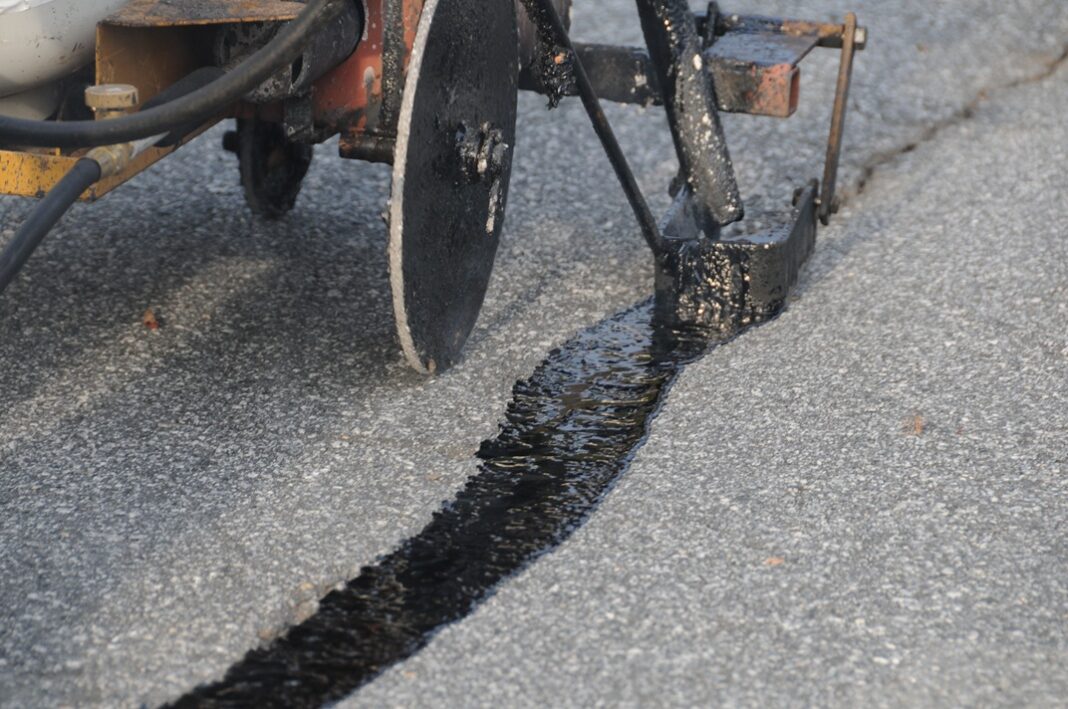
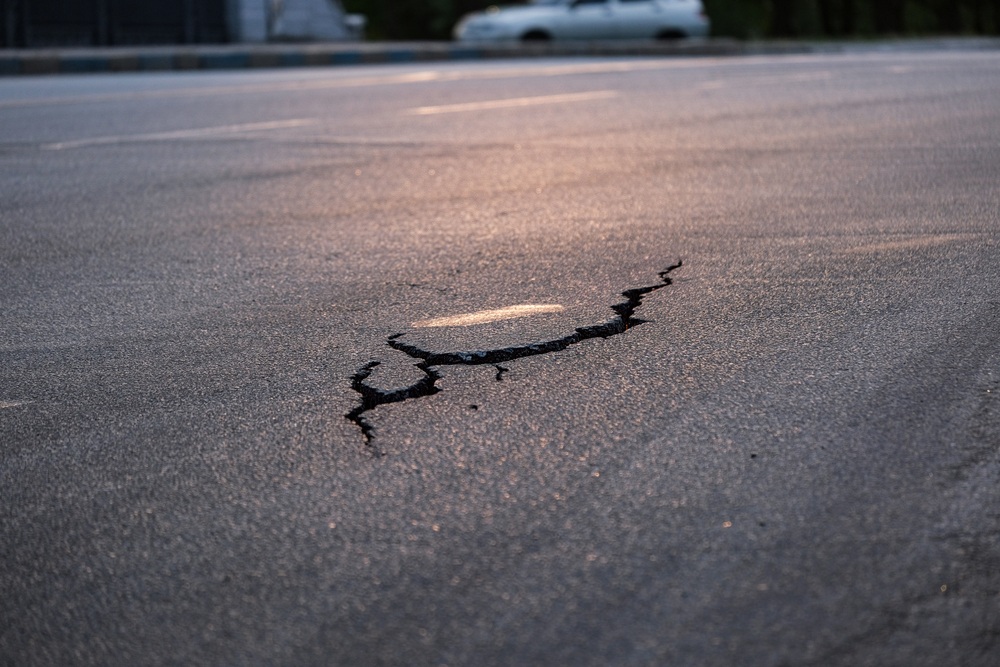
Road pavements are continuously exposed to traffic loads, temperature fluctuations, moisture infiltration, and environmental stresses. Over time, these factors cause cracks to develop on asphalt and concrete road surfaces. While small cracks may initially appear harmless, they can quickly expand if left untreated, allowing water to penetrate the pavement structure and weaken the base layers. This often results in potholes, rutting, edge failures, and expensive reconstruction projects.
Crack filling and crack sealing are among the most effective preventive maintenance techniques used by highway authorities, municipal corporations, airport operators, and private road developers. These methods help extend pavement life, improve ride quality, reduce maintenance costs, and delay the need for major rehabilitation.
Why Do Road Cracks Develop?
Road pavements experience continuous stress throughout their service life. Cracks occur due to several factors, including:
- Thermal expansion and contraction
- Heavy traffic loading
- Pavement aging
- Oxidation of asphalt binder
- Poor drainage
- Weak subgrade conditions
- Freeze-thaw cycles
- Construction defects
- Reflective cracking from underlying layers
- Shrinkage in asphalt or concrete pavements
Once cracks appear, water enters the pavement structure and softens the base and sub-base layers. As vehicles repeatedly pass over these weakened sections, the pavement deteriorates rapidly.
Preventive crack treatment significantly slows this deterioration process.
Understanding Crack Filling and Crack Sealing
Although these terms are often used interchangeably, they serve different purposes.
Crack Filling
Crack filling involves placing a suitable filler material into non-working cracks—those that experience little movement due to temperature changes.
It is commonly used for:
- Longitudinal cracks
- Block cracks
- Fatigue cracks (after repairs)
- Edge cracks
- Minor pavement separations
Crack filling primarily prevents water intrusion and restores pavement continuity.
Crack Sealing
Crack sealing is used for working cracks that expand and contract significantly with seasonal temperature changes.
A flexible sealant is applied to accommodate pavement movement while preventing water infiltration.
Crack sealing is ideal for:
- Transverse cracks
- Thermal cracks
- Reflective cracks
- Joint cracks
Sealants remain flexible even after curing, making them suitable for roads exposed to varying weather conditions.

Types of Pavement Cracks
Understanding crack types helps engineers choose the appropriate repair method.
Longitudinal Cracks
These cracks run parallel to the road centerline.
Common causes include:
- Poor joint construction
- Weak pavement edge
- Differential settlement
Treatment:
- Crack filling or sealing depending on crack movement.
Transverse Cracks
These cracks run perpendicular to traffic.
Caused by:
- Thermal shrinkage
- Asphalt aging
Treatment:
- Crack sealing.
Block Cracking
Block cracking forms interconnected rectangular patterns caused by asphalt aging.
Treatment:
- Crack filling.
Edge Cracking
Occurs near pavement edges due to:
- Poor drainage
- Shoulder settlement
- Heavy edge loading
Treatment:
- Crack filling after correcting drainage issues.
Reflective Cracking
Appears when cracks from underlying pavement layers propagate upward.
Treatment:
- Crack sealing combined with reinforcement where necessary.
Fatigue (Alligator) Cracking
Characterized by interconnected cracks resembling alligator skin.
Usually caused by structural failure.
Treatment:
Crack filling alone is ineffective.
Affected pavement should undergo patch repairs before surface treatment.
Advantages of Crack Filling
- Low maintenance cost
- Fast application
- Reduces water infiltration
- Delays pavement deterioration
- Extends pavement service life
- Suitable for low-traffic roads
- Minimizes emergency repairs
Advantages of Crack Sealing
- Accommodates pavement movement
- Longer service life
- Reduces pothole formation
- Improves pavement durability
- Cost-effective preventive maintenance
- Ideal for highways and expressways
Crack Filling Materials
- Asphalt emulsion: low-cost, easy application; used for rural and low-traffic roads and temporary repairs.
- Cold pour fillers: ready-to-use, no heating; suitable for small jobs like parking areas and residential roads.
- Hot pour asphalt fillers: heated application; stronger bonding, faster curing, widely used on highways.
- Polymer-modified asphalt: high flexibility and crack resistance; ideal for expressways and heavy traffic roads.
- Rubberized asphalt sealants: crumb rubber based; excellent elasticity, waterproofing, and long life in temperature-varying regions.
Crack Sealing Materials
- Hot-applied rubberized asphalt: flexible and durable, used for working cracks.
- Polymer-modified sealants: improved elasticity and performance.
- Silicone sealants: best for high-movement joints and cracks.
- Bitumen-rubber compounds: strong adhesion and waterproofing.
- Elastomeric sealants: long-lasting flexibility and protection.
Equipments Used for Crack Filling and Sealing
Crack Sealing Machine:
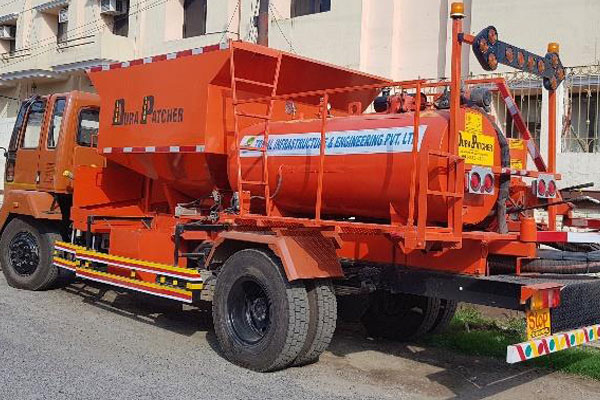
Crack sealing machines are the primary heavy equipment used in highway maintenance for applying hot-pour sealants. These self-propelled or trailer-mounted units heat, melt, and maintain polymer-modified or rubberized bitumen at controlled temperatures, ensuring uniform consistency. They are equipped with heated tanks, agitation systems, and pump-driven hoses that allow continuous and precise application of sealant directly into pavement cracks, making them ideal for high-traffic roads, expressways, and airport runways.
Crack Router:
Crack routers are heavy-duty machines used to prepare cracks before sealing by cutting and widening them into a uniform reservoir shape. This process removes weakened asphalt edges and creates a clean, structured groove that improves sealant adhesion and performance. Equipped with diamond-tipped cutting wheels and adjustable depth controls, crack routers ensure consistent crack geometry, which significantly increases the lifespan of the sealing work.
High-Pressure Air Compressor Truck:
High-pressure air compressor trucks are mobile heavy units used for cleaning and drying pavement cracks before sealing. They generate strong air pressure to remove dust, debris, loose particles, and moisture from deep within cracks, ensuring a clean bonding surface. Mounted on trucks or trailers, these systems are essential for large-scale highway projects where long continuous stretches require fast and efficient surface preparation.
Infrared Asphalt Heater:
Infrared asphalt heaters are heavy machines used to uniformly heat the pavement surface for repair and restoration works. While mainly used for potholes and surface rehabilitation, they also support crack-related maintenance by softening surrounding asphalt so that new material blends seamlessly with existing pavement. This eliminates cold joints and improves surface continuity and durability.
Milling Machine:
Milling machines are heavy pavement removal equipment used in severe cracking areas where surface damage extends beyond repairable cracks. These machines remove the damaged asphalt layer using a rotating drum fitted with cutting teeth, creating a clean and uniform surface for overlay or reconstruction. They are widely used in highway rehabilitation projects to remove deteriorated sections before applying new layers.
Pavement Maintenance Truck:
Pavement maintenance trucks are support-heavy vehicles used to transport, power, and operate crack sealing and filling systems on-site. These trucks carry sealant materials, compressors, heating units, and application tools, enabling continuous operations over long highway stretches. They act as mobile maintenance units that improve efficiency, reduce downtime, and support mechanized road repair workflows.
Best Practices for Effective Crack Treatment
To maximize the performance of crack filling and sealing, road agencies should follow these best practices:
- Inspect pavements regularly to identify early-stage cracking.
- Treat cracks before they widen or allow significant water infiltration.
- Choose the repair method based on crack type and movement.
- Ensure cracks are clean and dry before applying filler or sealant.
- Use high-quality, polymer-modified or rubberized materials for roads with heavy traffic.
- Follow manufacturer recommendations for heating temperatures and application rates.
- Schedule repairs during dry weather and moderate temperatures to improve adhesion.
- Implement routine pavement maintenance programs rather than waiting for severe deterioration.
Conclusion
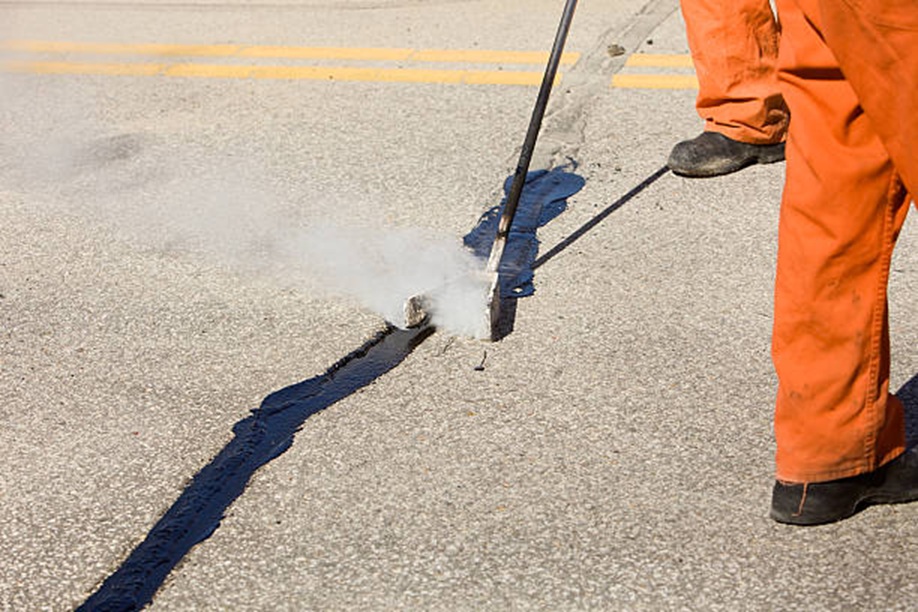
Crack filling and crack sealing are essential components of preventive pavement maintenance. By addressing pavement cracks at an early stage, road agencies can prevent water infiltration, preserve structural integrity, reduce maintenance costs, and extend the service life of roads. While crack filling is suitable for stable, non-working cracks, crack sealing is the preferred solution for active cracks that experience seasonal movement.As infrastructure demands continue to grow, proactive crack management combined with modern technologies will play a vital role in maintaining safer, smoother, and more resilient road networks.
Imager Credit: nehainfra.com






