
Drought is one of the most socially significant environmental challenges, as it directly affects human health, living conditions, and social stability. Access to clean and reliable water is a fundamental requirement for everyday life, and when this access is disrupted, the consequences are immediate and widespread. Unlike other resource shortages, water scarcity quickly becomes visible in daily routines, making drought a deeply personal issue for communities around the world.
In urban areas, drought places significant pressure on water supply systems. Cities rely on continuous water distribution for drinking, sanitation, healthcare, and industrial activity. When water becomes scarce, restrictions are often introduced, limiting usage and affecting quality of life. In extreme cases, interruptions in supply can disrupt essential services such as hospitals and emergency response systems.
Public health is closely linked to water availability. Reduced access to clean water can lead to hygiene challenges and increase the risk of disease transmission. In many parts of the world, water scarcity forces people to rely on alternative sources that may not meet safety standards. This creates additional health risks and places further strain on already vulnerable communities.
Social inequality is another important aspect. Not all populations are equally equipped to handle water shortages. Wealthier communities often have access to storage systems, purification technologies, and alternative sources, while less privileged groups may struggle to meet basic needs. This disparity can lead to tension and, in some cases, social instability.
Infrastructure plays a crucial role in addressing these challenges. Many water distribution systems are outdated and inefficient, leading to significant losses through leaks and poor management. In drought conditions, these inefficiencies become more critical, as every unit of water counts. Modernizing infrastructure is essential to ensure that available resources are used effectively.
Advanced monitoring systems provide valuable tools for improving water management. Sensors can detect leaks, measure flow rates, and monitor water quality in real time. This allows operators to respond quickly to issues and optimize distribution. Automation further enhances efficiency by adjusting system parameters based on current conditions.
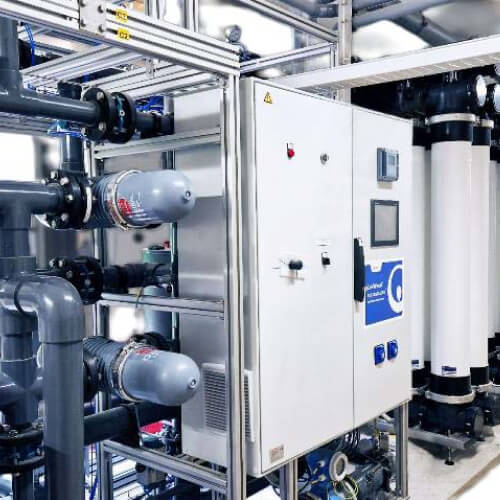
Water treatment technologies also contribute to social resilience. By ensuring that water is safe and suitable for use, these systems protect public health and improve living conditions. Membrane filtration, disinfection, and chemical dosing systems work together to maintain consistent water quality.
AQUAANALYTIC supports municipalities in implementing these solutions, helping improve infrastructure performance and ensure reliable water supply. Their engineering approach focuses on efficiency, sustainability, and long-term stability.
Education and awareness are equally important. Encouraging responsible water use at the community level can significantly reduce demand and improve system performance. When individuals understand the value of water, they are more likely to adopt conservation practices.
Drought is not just an environmental issue; it is a social challenge that affects every aspect of daily life. By combining technology, infrastructure improvements, and community engagement, societies can build resilience and ensure access to water even in challenging conditions.






