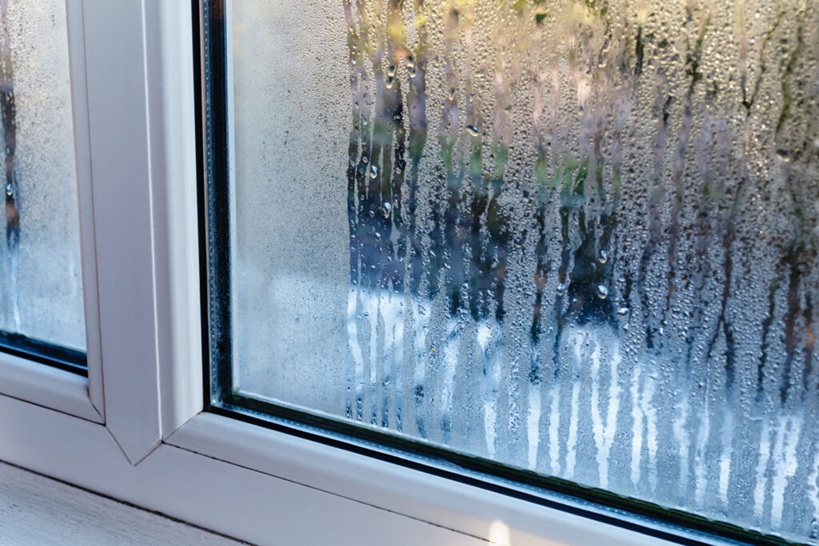
Your windows have been fogging up between the panes. Or maybe you’ve noticed drafts around the frames. Perhaps your energy bills have crept higher without any obvious explanation. When window problems appear, most homeowners face the same question: repair or replace?
The answer isn’t always obvious, and making the wrong choice costs money either way. Replacing windows that could be repaired wastes thousands of dollars. Repairing windows that actually need replacement means you’ll be facing this decision again soon, plus you’ve lost the energy savings and comfort improvements that new windows provide. Understanding when window replacement Toronto makes financial and practical sense requires looking at several factors together rather than any single symptom.
Seal Failure: The Point of No Return
When you see condensation between window panes, the sealed unit has failed. This isn’t a minor issue that repair can fix. The seal between panes creates an insulated space, often filled with argon gas, that provides much of your window’s energy efficiency. Once that seal breaks, the insulating properties are gone permanently.
Some companies offer services to drill holes, remove moisture, and reseal units. These fixes are temporary at best. The seal has failed because the materials have degraded. Patching it doesn’t restore the original manufacturing quality or the insulating gas that’s escaped.
The fogging also indicates that your windows are old enough that other components are likely deteriorating too. Seals don’t fail in isolation. If your seals are breaking down, the spacers, frames, and weatherstripping are probably approaching the end of their useful life as well.
For single-pane windows, this calculation changes slightly since there’s no seal to fail. But if you’re still using single-pane windows in a climate with real winters, replacement makes sense purely from an energy efficiency standpoint. Modern double or triple-pane windows will pay for themselves through energy savings.
Frame Deterioration Beyond Surface Damage
Window frames take constant abuse from weather. Wood frames can rot, especially at the bottom where water accumulates. Vinyl frames can warp and crack. Metal frames develop corrosion. The question is whether the damage is cosmetic or structural.
Surface damage to wood frames can often be repaired. Minor rot can be cut away, treated, and filled. Peeling paint can be scraped and repainted. But when rot extends into the structural parts of the frame, or when you find it in multiple locations on the same window, replacement becomes the practical choice.
Vinyl warping usually signals that the frame has been compromised by heat exposure or manufacturing defects. Warped vinyl affects how the window operates and seals. You can’t repair warped vinyl back to its original shape. Once vinyl deforms, replacement is your only option.
Metal frame corrosion penetrates deeper than what you see on the surface. If you notice rust or oxidation on aluminum or steel frames, the deterioration has likely spread through the material. Treating visible corrosion doesn’t stop the process occurring inside the frame.
Operation Problems That Signal Deeper Issues
Sticking windows sometimes just need cleaning and lubrication. But when windows become progressively harder to open or won’t stay open without propping, you’re dealing with structural problems that cleaning won’t fix.
Window sashes that don’t move smoothly have usually shifted out of alignment, which happens when frames settle or deteriorate. The house settling can cause this, but if only some windows are affected while others in the same wall operate fine, the problem is the window itself, not the foundation.
Balance mechanisms in double-hung windows eventually wear out. These can be replaced for a reasonable cost if the rest of the window is sound. But if you’re replacing balances in windows that also have seal failure or frame damage, you’re throwing good money after bad. The balance replacement cost would be better applied toward new windows.
Windows that won’t lock properly are safety hazards. Sometimes the lock mechanism itself has failed and can be replaced. Other times, the window has shifted enough that the lock can’t engage properly. The latter scenario indicates frame or structural issues that point toward replacement.
Energy Performance and Your Utility Bills
Drafty windows cost money every single month. If you feel air movement around window frames even when they’re closed and locked, you’re losing heated or cooled air. Weatherstripping can be replaced, which might solve the problem temporarily. But weatherstripping deteriorates for a reason, usually because the window no longer closes tightly enough to compress the weatherstripping properly.
Old windows with their original single-pane glass or early double-pane designs have terrible insulation values compared to modern windows. Even if they’re not obviously drafty, they’re conducting heat through the glass itself. Replacing these windows can cut heating and cooling costs by 25 to 30 percent or more.
Calculate the payback period on new windows by comparing their cost to your monthly energy savings. In cold climates with old windows, replacement often pays for itself within eight to twelve years through energy savings alone. Factor in increased comfort and potential home value increase, and the math becomes even more favorable.
Storm windows can improve the efficiency of existing single-pane windows, but they’re not as effective as quality double or triple-pane replacement windows. If you’re considering storm windows as a compromise, run the numbers carefully. The cost of storm windows plus installation might be better spent on replacement windows that provide superior performance.
Age and Expected Remaining Lifespan
Windows don’t last forever. Typical lifespans vary by material and quality, but general ranges help you assess whether repair makes sense given how much useful life remains.
Quality vinyl windows typically last 20 to 30 years. Wood windows, if properly maintained, can last 30 years or more. Aluminum windows often make it to 20 years. Fiberglass windows can exceed 30 years. If your windows are approaching or past these typical lifespans, replacement makes more sense than investing in repairs.
Even within these ranges, quality matters enormously. Builder-grade windows installed 15 years ago might be showing serious wear while premium windows of the same age remain perfectly functional. Assess your specific windows rather than relying solely on age.
Consider how long you plan to stay in your home. If you’re selling within a few years, repairs might make sense to get you to sale date. New windows increase home value, but you might not recoup the full replacement cost in your sale price. However, if you’re staying long-term, replacement windows provide benefits you’ll enjoy for years.
Multiple Problem Windows Change the Equation
One problematic window in a house of otherwise sound windows might warrant repair. But when you’re dealing with issues in multiple windows, the calculation shifts toward wholesale replacement.
Replacing windows one at a time costs more per window than replacing multiple units together. Contractors provide better pricing for larger projects because they achieve efficiencies installing many windows at once. If three or more of your windows need work, getting quotes for full replacement makes financial sense.
Aesthetic consistency matters too. Replacing individual windows means your home ends up with mismatched styles and colors. If the new window doesn’t perfectly match your existing ones, the replacement stands out. This inconsistency affects curb appeal and potentially resale value.
When multiple windows from the same installation are failing, the rest will likely follow soon. You might fix three windows this year only to face four more next year and five the year after. At that point, you’ve spent money on repairs plus you’ll still need full replacement eventually.
Making Your Decision
No single factor determines whether repair or replacement is right. You need to weigh multiple considerations together: the severity and type of damage, the age of your windows, how many are affected, energy costs, and your budget constraints.
Get professional assessments from qualified contractors. Someone experienced in window installation can evaluate your situation accurately and explain your options honestly. Good contractors will tell you when repair is sufficient and when replacement makes more sense.
Request detailed quotes that break down costs for repair versus replacement. Compare not just the immediate expense but the long-term value. Factor in energy savings, expected lifespan of the solution, and how soon you’ll face this decision again if you choose repair.
Window replacement is a significant investment, but so is continuing to lose energy and comfort through failing windows while spending money on repairs that don’t solve the underlying problems. Sometimes the most economical choice in the long run is the one that costs more upfront.