
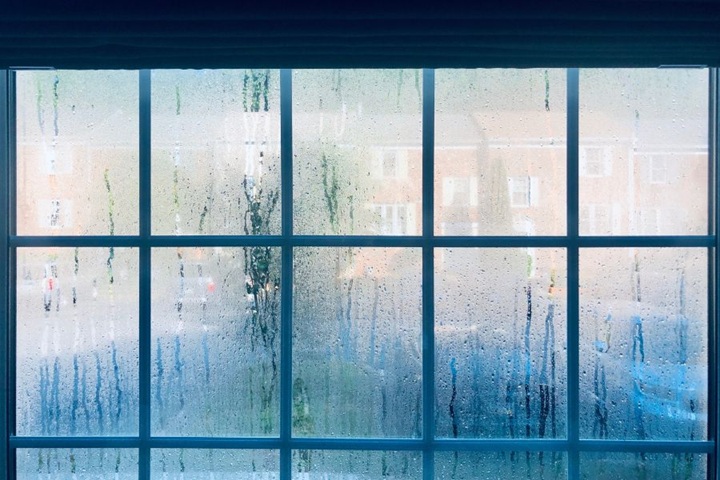
There is a particular frustration that comes with a foggy window. It is not broken in any obvious way. Nothing shattered, nothing cracked. But the view through it has gone from clear to permanently hazy, and no amount of cleaning makes the slightest difference because the problem is not on the surface. It is between the panes of glass, in a space you cannot reach, where the seal that was supposed to keep moisture out has quietly given up.
Foggy windows are one of the most common glass problems in Toronto homes, and one of the most misunderstood. Many homeowners spend time trying to clean a window that no cleaning product can fix, or assume the whole window unit needs replacing when only the glass itself needs attention. Understanding what actually causes the fogging, why it cannot be fixed from the outside, and what the realistic options are makes the decision straightforward.
For Toronto homeowners dealing with foggy or failed sealed units, professional Toronto window glass replacement from a team that can assess each window individually and replace only what needs replacing gives you a clear result without the cost of replacing entire window frames that are still in good condition. The glass can almost always be addressed independently of the frame.
Why Double-Pane Windows Fog Up
Modern double-pane windows, also called insulated glass units or IGUs, consist of two panes of glass separated by a spacer and sealed around the perimeter to create an insulating air or gas-filled cavity. That sealed cavity is what gives the window its thermal performance: the trapped gas resists heat transfer more effectively than a single pane of glass. The seal is what maintains the integrity of that cavity.
Over time, the seal around the perimeter of the unit degrades. Thermal cycling is the primary cause: every day, the glass and frame expand slightly with heat and contract with cold. This constant movement stresses the seal over thousands of cycles across years of use. UV exposure accelerates seal degradation on south-facing windows. Poor initial installation quality and low-quality seal materials also shorten the seal’s effective lifespan. When the seal fails, outside air, which contains moisture, enters the cavity. As temperatures fluctuate, that moisture condenses on the interior glass surfaces, creating the fogging you see.
Why Cleaning Does Not Help
The fog is between the panes, in a sealed cavity that is no longer actually sealed. The condensation is forming on the interior faces of the glass, not on the exterior surfaces you can reach. No spray, no squeegee, and no professional glass cleaning service can address moisture that is inside the unit. This is not a surface contamination problem; it is a sealed unit failure problem, and the only solution is addressing the unit itself.
Some homeowners have encountered drill-and-seal services that claim to remove the fogging by drilling small holes in the glass, introducing a cleaning agent or desiccant, and resealing. This is a temporary intervention at best. It does not restore the unit’s thermal performance, it compromises the structural integrity of the glass in some cases, and the fogging typically returns within a year or two as the unit continues to admit moisture through the compromised seal. Proper glass replacement is the lasting solution.
What the Replacement Actually Involves
Replacing a failed sealed unit does not require replacing the entire window. The frame, which is typically aluminum, vinyl, or wood depending on the window type and age, can be retained if it is in good structural condition. The glass technician removes the failed unit from the frame, measures the opening precisely, and installs a new factory-sealed insulated glass unit of the correct thickness and specification. The new unit is properly sealed and secured in the existing frame.
This approach is significantly less expensive than full window replacement, which involves replacing the frame as well as the glass, and avoids the finishing work that full window replacement often requires around the interior and exterior of the opening. For windows where the frame is in good condition and the only issue is the failed sealed unit, glass replacement is the sensible and cost-effective solution.
When Full Window Replacement Makes More Sense
There are situations where replacing the glass alone is not the right answer. If the frame is warped, rotted, poorly installed, or has its own seal or weatherstripping failures that are allowing air infiltration regardless of the glass quality, a new sealed unit in that frame will not solve the underlying performance problem. If the existing windows are very old single-pane units, there is no sealed unit to replace; full window replacement is the upgrade path. And if multiple windows on a property are at the same stage of seal failure, a full window replacement project may offer efficiency advantages over addressing each unit individually over time.
A glass professional who assesses each window honestly rather than defaulting to the most expensive recommendation will tell you which windows need glass only, which need full replacement, and which are genuinely fine and can wait. That individualized assessment is worth getting before making any commitments.
How Long New Sealed Units Last
A quality factory-sealed IGU installed correctly by a qualified glass technician can last fifteen to twenty-five years before seal failure becomes an issue. The factors that affect longevity include the quality of the seal materials, the quality of the installation, the direction the window faces and the UV exposure it receives, and the thermal cycling stress the window experiences over time. South-facing windows in Toronto typically experience more thermal stress and more UV degradation than north-facing ones, which can translate into somewhat shorter seal life.
Choosing a glass company that uses quality IGUs from reputable manufacturers rather than the least expensive units available makes a meaningful difference to how long the replacement lasts. The cost difference between a mid-grade and a quality sealed unit is modest relative to the labour and convenience of the replacement; selecting on price alone at the unit level is a false economy.
The Energy Efficiency Impact of Failed Sealed Units
A fogged window is not just an aesthetic problem. A sealed unit with a failed seal has lost the insulating gas from its cavity and the thermal performance that gas provided. The window is now performing closer to a single-pane unit than a double-pane one, which means more heat loss in winter and more heat gain in summer through that opening. In a Toronto home with multiple failed sealed units, that cumulative thermal loss is measurable in heating and cooling costs over a season.
Replacing failed units restores the thermal performance the window was designed to deliver and can contribute to meaningful energy savings over the life of the new glass. For homeowners who are also concerned about comfort, the cold radiating from a failed sealed unit in winter is perceptibly different from a properly functioning double-pane window, and the improvement after replacement is immediately noticeable in the rooms adjacent to those windows.






