Earthquakes are among the most destructive natural forces on Earth, capable of collapsing entire buildings within seconds. The safety of structures in such conditions depends not only on architectural design but also, more critically, on the materials used in construction. Among these materials, high-ductility Thermo-Mechanically Treated (TMT) bars play a decisive role in ensuring structural stability during seismic events.
In earthquake-prone regions, conventional reinforcement steel is no longer sufficient. Modern building codes and engineering practices strongly recommend or mandate high-ductility TMT bars because they enable structures to absorb seismic energy, deform safely, and prevent sudden collapse.
Understanding Earthquake Forces on Buildings
Earthquakes generate sudden ground motion that produces complex forces on structures. Unlike normal static loads such as the weight of a building, seismic forces are dynamic and unpredictable.
These forces include:
- Horizontal (lateral) shaking forces
- Vertical acceleration forces
- Torsional (twisting) forces
Among these, lateral forces are the most damaging because buildings are primarily designed to carry vertical loads. When the ground shakes sideways, the structure experiences stress it was not originally intended to resist.
This leads to:
- Cracking in beams and columns
- Stress concentration at joints
- Deformation of structural frames
- Potential structural collapse if materials fail suddenly
The behavior of reinforcement steel under these conditions determines whether a building survives or fails.

What Are High-Ductility TMT Bars?
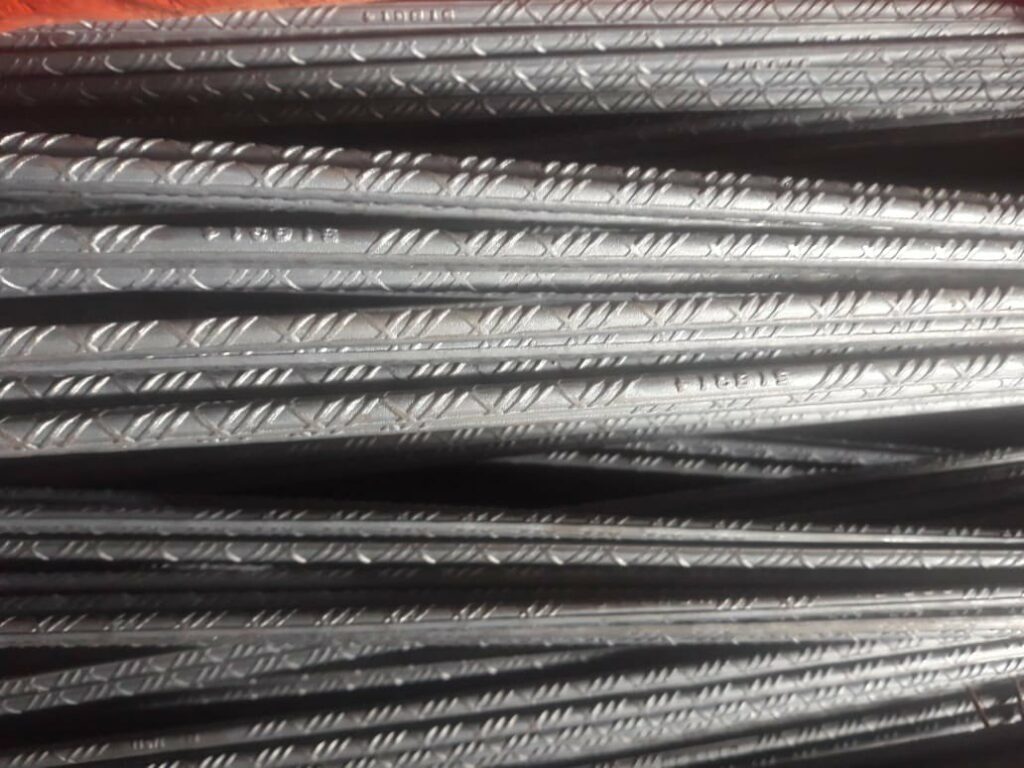
Thermo-Mechanically Treated (TMT) bars are steel reinforcement bars manufactured through a controlled process involving heating and rapid cooling. This process creates a unique structure:
- A hard, strong outer surface
- A soft, ductile inner core
High-ductility TMT bars are specifically designed to undergo significant deformation without breaking. This property is known as ductility, which refers to a material’s ability to stretch and bend under stress while maintaining integrity.
In seismic conditions, ductility is far more important than just high strength because it determines how a material behaves under extreme, repeated loading.
Why Ductility Is More Important Than Strength in Earthquakes?
A common misconception in construction is that stronger steel automatically means safer structures. In earthquake engineering, this is incorrect.
In reality:
A structure that is rigid and brittle is more likely to collapse suddenly, while a ductile structure survives by deforming.
High-ductility TMT bars provide critical advantages:
1. Energy Absorption
During an earthquake, large amounts of energy enter the building. Ductile steel absorbs this energy through controlled deformation rather than fracturing.
2. Controlled Structural Damage
Instead of sudden collapse, ductile structures show progressive damage, allowing time for evacuation and rescue operations.
3. Load Redistribution
Ductile materials help redistribute stress across the structure, preventing localized failure at weak points.
These principles are central to modern earthquake-resistant design in the field of Structural Engineering.
How High-Ductility TMT Bars Improve Earthquake Resistance?
High-ductility TMT bars enhance seismic performance in several important ways:
1. High Strength with Flexibility
They combine high yield strength with elongation capacity, allowing them to bear heavy loads while still bending safely under stress.
2. Superior Bond with Concrete
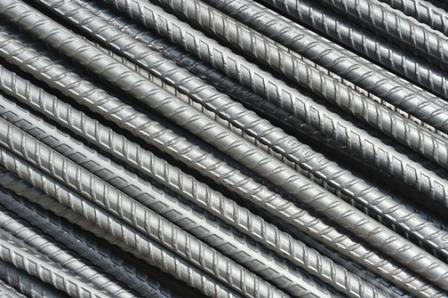
The ribbed surface of TMT bars ensures strong adhesion with concrete, allowing both materials to act together as a single structural system during shaking.
3. Resistance to Cyclic Loading
Earthquakes generate repeated back-and-forth motion. High-ductility steel resists fatigue failure under such cyclic loading conditions.
4. Prevention of Sudden Failure
Instead of breaking suddenly, ductile reinforcement deforms gradually, significantly improving safety.
Comparison: Ordinary Steel vs High-Ductility TMT Bars
| Property | Ordinary Steel | High-Ductility TMT Bars |
| Ductility | Low to moderate | High |
| Earthquake resistance | Poor | Excellent |
| Energy absorption | Low | High |
| Failure mode | Sudden brittle fracture | Gradual deformation |
| Structural safety | Limited | High |
This comparison clearly shows why ductility is a critical requirement in seismic zones.
Role in Earthquake-Resistant Design
Modern earthquake-resistant construction is based on the principle of ductile detailing, where structures are designed to deform in a controlled manner instead of remaining completely rigid.
High-ductility TMT bars are used in key structural components such as:
- Beam-column joints
- Foundations and footings
- Shear walls
- Reinforced concrete frames
The objective of seismic design is not to eliminate all damage but to ensure that collapse does not occur suddenly, preserving life safety.
Earthquake Zones and Building Standards
India is divided into seismic zones ranging from Zone II (low risk) to Zone V (very high risk). Regions in Zone IV and V require strict earthquake-resistant construction practices.
Relevant building codes include:
- IS 456 (Concrete design standards)
- IS 13920 (Ductile detailing for earthquake resistance)
These codes emphasize ductility, proper reinforcement detailing, and controlled failure mechanisms.
Lessons from Past Earthquakes
Historical earthquake events worldwide have consistently shown that many structural failures occur not due to insufficient strength, but due to lack of ductility.
Common failure patterns include:
- Sudden column collapse
- Beam-column joint failure
- Shear cracking in structural members
- Total structural collapse without warning
In contrast, ductile structures tend to remain standing even after severe shaking, although they may require repairs.
Advantages of High-Ductility TMT Bars
The use of high-ductility reinforcement provides several key benefits:
- Enhanced safety during earthquakes
- Reduced risk of sudden structural collapse
- Improved evacuation time for occupants
- Better compliance with modern seismic codes
- Increased structural durability
- Suitability for high-rise and critical infrastructure
These advantages make them essential in modern construction, especially in seismic regions.
Risks of Using Non-Ductile Steel in Seismic Zones
Using conventional or low-ductility steel in earthquake-prone areas can lead to severe consequences:
- Brittle structural failure
- Instant collapse under seismic loading
- Loss of life and property
- Non-compliance with safety regulations
- High reconstruction costs after disasters
Because of these risks, non-ductile reinforcement is increasingly discouraged or restricted in seismic construction.
Conclusion
High-ductility TMT bars are not just an advanced material choice—they are a fundamental requirement for safe construction in earthquake-prone regions. Their ability to bend, absorb seismic energy, and avoid sudden fracture makes them essential for modern structural safety.
In earthquake engineering, safety is defined not only by strength but by controlled flexibility under extreme stress. High-ductility TMT bars ensure that buildings respond to seismic forces by deforming safely rather than collapsing suddenly.