
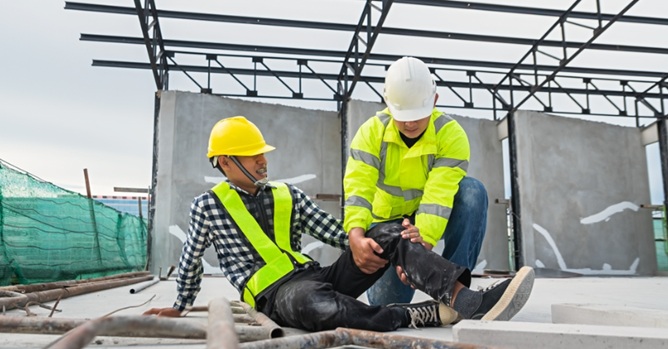
Steel rises, roads expand, buildings take shape, yet danger often stands beside progress. A construction accident can leave a worker facing pain, missed income, and a future full of questions.
Many people think these cases are simple because the injury happened on the job, but that is rarely true. Several companies, changing site conditions, and different legal rules may all be involved at once. That is why many injured workers start looking into construction site negligence lawsuits after learning the facts are bigger than they first seemed.
Knowing where complexity begins can help protect rights before costly mistakes are made later.
Construction Sites Have Many Risk Factors
Common Hazards
Construction sites carry many dangers every day. Workers may face falls from ladders, roofs, or scaffolding. Heavy machines can crush or strike people in seconds. Loose wires may cause an electric shock. Tools or debris can fall from above without warning. Trenches may collapse and trap workers below ground.
Serious Harm Is Common
These accidents often cause more than cuts or bruises. Broken bones, burns, head trauma, back injuries, and spinal damage are common results. Recovery may take months or even longer.
Fast Changing Work Environments
Unlike many workplaces, construction sites change daily. Materials move, crews rotate, equipment shifts, and new tasks begin. A safe area in the morning may become dangerous by afternoon.
More Than One Party May Be Responsible
Employers
An employer may be responsible for training workers, providing safe equipment, and enforcing safety rules. If corners were cut, responsibility may follow.
Contractors and Subcontractors
Many job sites have several companies working together. One group may build framing, another handles wiring, and another operates machinery. If one company creates danger, others may still be affected.
Property Owners
Sometimes owners control parts of the site or know about unsafe conditions. In some cases, that role can matter.
Equipment Manufacturers
A defective ladder, harness, crane part, or power tool may cause injury even if workers use it correctly.
Why Fault Becomes Complicated
Several parties may share blame at the same time. Sorting that out takes evidence, records, and careful review.
Workers’ Compensation Is Not Always the Full Story
What It May Cover
Workers’ compensation often helps with medical treatment and part of lost wages after a job injury. It can be an important first source of support.
What It May Not Cover
It may not fully cover pain, long-term losses, or every cost caused by the accident. Many injured workers learn that basic benefits do not solve everything.
Third-Party Claims May Exist
If someone other than the employer caused harm, another legal claim may be possible. A subcontractor, manufacturer, or outside company could be involved.
Legal Review Matters
Because several paths may exist, guidance from a construction law attorney can help identify what options apply and what deadlines matter.
Evidence Can Disappear Quickly
Site Conditions Change Fast
Construction sites move forward every day. Broken equipment may be repaired, debris removed, and unsafe areas altered soon after an accident. Important proof can vanish quickly.
Records Matter
Safety logs, inspection reports, training files, witness names, and maintenance records may all help explain what happened. These documents are not always easy to get later.
Early Action Helps
Taking photos, reporting the injury, and seeking medical care quickly can protect valuable evidence. Delay often helps the other side more than the injured worker.
Common Mistakes That Weaken Good Cases
Many workers trust that the truth alone will solve everything. Sadly, that is not always enough. Waiting to report the accident can create doubt. Missing treatment visits may allow insurers to question the injury. Throwing away receipts can erase proof of costs.
Another mistake is speaking too freely before facts are clear. Early statements made in pain or confusion may later be used against the worker. Staying organized and careful often matters more than people expect after a serious job injury.
Final Thoughts
Construction accident claims are rarely simple because job sites are crowded, responsibilities overlap, and evidence can disappear fast. What looks like one injury may involve several companies, unsafe equipment, or ignored safety rules.
That is why early action matters so much after a serious incident. Medical care, records, witness details, and honest documentation can strengthen the road ahead. If negligence played a role, construction site negligence lawsuits may help injured workers seek accountability, financial relief, and a fair response to harm that should never have happened on the job.






