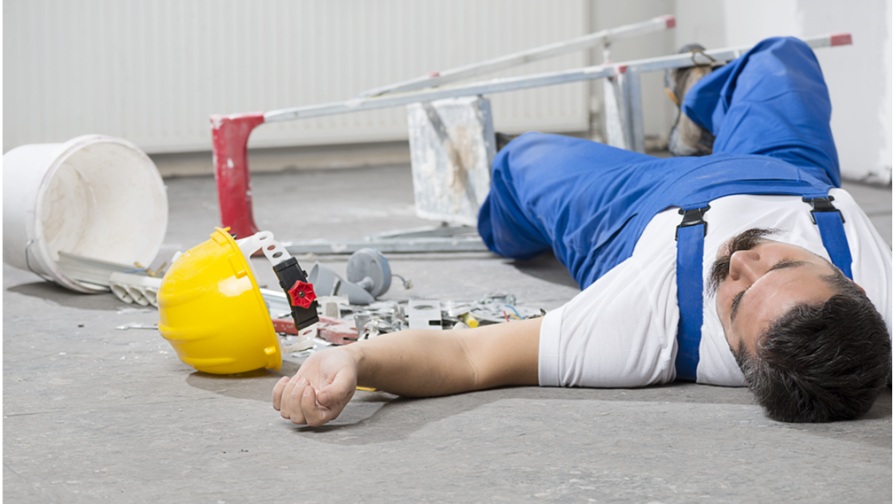
Construction sites move with rhythm, structure, and careful planning, yet one small gap can change everything in ways that are not always clear at first. What follows after an accident is not just about what happened on the surface, but about what can be understood and shown through facts.
In many situations, people begin to look for legal help for construction accidents as they try to make sense of what comes next. The outcome is not shaped by the incident alone, but by how safety, responsibility, and evidence come together to form a complete picture.
Why Construction Accident Cases Are Not Always Simple
Construction work involves many moving parts, and each part connects to a different role. There are site managers, contractors, workers, and sometimes equipment providers, all working within the same space. Because of this, an accident rarely has a single clear cause. It may involve a mix of actions, missed steps, or unsafe conditions that build over time.
This makes it harder to point to one exact reason. A clear understanding only comes from looking at how all these elements fit together, rather than focusing on one part alone.
The Role of Safety in Construction Accident Cases
Safety Standards and Expectations
Safety on a construction site is not just a guideline; it is a system that supports every task being carried out. Workers are trained to follow certain steps, use proper equipment, and stay aware of their surroundings. These rules exist to reduce risks and keep the work environment stable. When safety measures are followed, the chances of harm are reduced in a meaningful way.
What Happens When Safety Fails
A failure in safety can open the door to serious problems. Missing equipment, poor supervision, or ignored risks can create conditions where accidents are more likely to happen. In the context of construction law, these failures are often examined closely to understand whether the situation could have been avoided. Safety is often the first point where a case begins to take shape.
Understanding Responsibility on a Construction Site
Multiple Parties Involved
Responsibility on a construction site is shared across different roles. Employers manage the workforce, contractors handle specific tasks, and supervisors ensure that work is done properly. Each role carries a level of duty that cannot be ignored. This shared structure makes it important to look at who was responsible for what at the time of the accident.
Determining Who Is Accountable
Accountability is not always simple because it depends on control and action. The question is not just who was present, but who had the power to prevent the situation. Responsibility is built through actions, decisions, and the ability to respond to risks. It is rarely one-sided, and understanding it requires careful attention to every detail involved.
How Evidence Brings Clarity to the Case
Types of Evidence That Matter
Evidence plays a key role in explaining what happened. It may include reports, safety logs, photographs, and statements from those who were present. Each piece adds a layer of understanding, helping to form a clearer view of the situation.
Connecting Evidence to the Incident
It is not enough to collect information; it must also be connected in a way that makes sense. Evidence should show how the accident occurred and why it happened. A consistent timeline helps remove confusion and strengthens the overall understanding of the case.
The Importance of Early Documentation
Early records often carry more weight because they capture details before they fade or change. Quick reporting and proper documentation help preserve facts in their original form. Evidence turns assumptions into something that can be clearly seen and understood.
What Challenges Can Affect Construction Accident Cases
Lack of Proper Documentation
A case may become difficult to support if records are missing or unclear. Without proper documentation, it is harder to explain what truly happened.
Disputes Between Parties
Different people may have different views of the same event. These differences can create conflict and slow down the process of finding clarity.
Delays in Action
Time can affect how clearly a case is understood. Delays in reporting or collecting information can create gaps that lead to uncertainty.
Small gaps may seem minor at first, but they can grow into larger concerns if they are not addressed early.
Why a Structured Approach Matters
A construction accident case becomes clearer when safety, responsibility, and evidence are considered together. Each element supports the other, creating a more complete understanding of the situation. A structured approach allows details to be organized in a way that makes sense, helping the case move forward without confusion.
It is not about adding complexity, but about arranging the facts so they can be understood properly. This balance often leads to a steadier and more reliable outcome.
Conclusion
Construction accident cases are shaped by more than a single event, and understanding them requires attention to detail and structure. Safety shows what should have been in place, responsibility explains who was involved, and evidence brings everything into focus.
With the right approach, and at times the need for legal help for construction accidents, the situation becomes clearer and more manageable. A well-understood case allows decisions to be made with confidence, keeping the process steady and grounded in clear facts.