
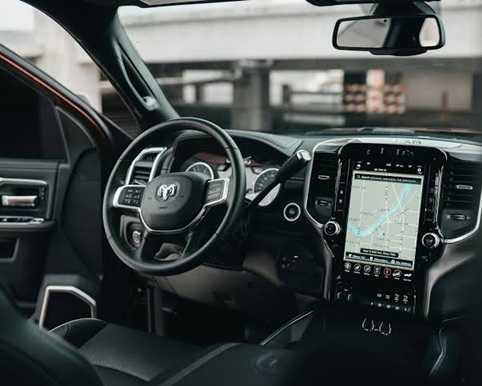
If you’ve been shopping for a new or used car lately, you’ve probably noticed something wild: today’s vehicles feel less like trusty machines and more like high-tech gadgets. Giant screens dominate the dash, software updates ping your phone, and features evolve overnight. But at the same time, those comforting, familiar touches are vanishing – think pop-out exterior door handles, chunky physical buttons for the AC, twisty volume knobs, and straightforward mechanical shifters.
Some drivers hail it as the future of motoring. Others view it as overcomplicated nonsense that trades reliability for flashy looks. So, what’s the real story? Let’s break it down with the straight talk from the Indy Auto Man car sales experts.
Pop-Out Handles: Sleek Style or Winter Nightmare?
Start with the outside. Recessed or retractable door handles are popping up everywhere, not just on the best luxury cars. Manufacturers aren’t just chasing trends; there are solid reasons.
First off, aerodynamics. Every bump or protrusion on a car’s body creates drag, messing with airflow and efficiency. Pop-out handles smooth things out, dropping the drag coefficient (Cd) by a noticeable chunk, sometimes up to 0.01 or more. Less drag means better range; on a Tesla, it could add 10-20 miles per charge without touching the battery. Gas cars benefit too, squeezing out extra MPG on highways.
Then there’s design. In this EV boom, automakers want their cars to scream “future.” Flush handles give that seamless, spaceship aesthetic – clean lines, no clutter. It’s marketing magic that says “tech-forward” before you even start the engine.
Safety plays a role too: these handles are tougher for thieves to jimmy open without the right sequence or key fob signal. But let’s not sugarcoat the headaches, and experienced mechanics confirm they’ve already fixed plenty.
Ice and snow love to gum up the motors, leaving you stranded with a frozen handle that won’t budge – not a rare case on Teslas after Indiana blizzards. Battery dies? Good luck – no power, no pop-out, and you’re calling a tow. Repairs? Forget simple. A basic cable-pull handle costs peanuts to fix. These electronic setups pack motors, sensors, guides, and CAN bus wiring. One failure, and you’re looking at $500-$1,500 per door, parts and labor. More complexity always means more downtime and dollars for owners.
Inside the Cabin: Screens Everywhere, Buttons Nowhere
Step inside, and it’s even more extreme. Brands like Tesla, Rivian, and Lucid are ditching physical controls for one massive touchscreen that runs the show – climate, seats, lights, etc. It looks cool at first glance. But after servicing hundreds of these, experts know the trade-offs.
Pros start with unification and updates. One screen handles dozens of functions, from navigation to driver aids. Software tweaks via OTA (over-the-air) updates add features, like new games or efficiency boosts, overnight, without a shop visit. It’s cheaper for factories too: fewer buttons, wires, and modules mean streamlined production. Centralized computing (one brain for climate, infotainment, everything) simplifies adding tomorrow’s tech, like advanced Level 3 autonomy.
Yet the cons hit hard on the road.
- Distraction is huge. Need to crank the heat? Dive into submenus, eyes off the road for 5-10 seconds. You can tap old-school buttons by feel, keep staring ahead. Studies from AAA show touchscreen tasks double the crash risk compared to knobs.
- Reliability woes: Glitchy software freezes the whole system. Mechanics have rebooted more Tesla UIs than they can count. The electronics age fast too: after 5-7 years, touch sensors fade, screens burn in, and pixels fade. Swapping a button? $50. A full display module? $2,000-$5,000 easy, plus calibration.
This centralized setup makes car software platforms on wheels. Great for gadget lovers, but a nightmare if you crave simplicity. Drivers tell the same story: that minimalist interior wows at the dealership, but six months in, you’re fumbling for “muscle memory” controls that aren’t there.
What’s the Verdict for Real Drivers?
If you’re a tech-savvy commuter eyeing an EV, a buttonless EV might thrill you with its range and updates. But for families hauling through Midwest winters or rains, tried-and-true handles and knobs on a used Toyota or Honda mean fewer headaches and repair bills.
It’s evolution, sure, but not always progress. Modern cars still search for a balance between mechanical reliability and digital smarts, and the best ones achieve success. Swing by a car lot near you to have a look at button-heavy classics next to screen-dominated newcomers. Test drive, feel the difference, and drive home confident.






